Furnace Maintenance That Prepares the System Before Winter
A furnace tune-up should do more than change a filter and listen for heat.
Our furnace maintenance process covers filters, thermostat response, electrical controls, ignition, burners, blower, airflow, temperature rise, heat exchanger observations, venting, combustion, carbon monoxide, condensate, and safety shutdowns. The scope is adjusted for gas, electric, oil, propane, high-efficiency, mobile-home, and light-commercial furnaces.
- Annual heating checklistFilter, controls, ignition, airflow, venting, and safety reviewed
- Condition-based cleaningService matches the equipment—not a generic spray-and-go visit
- Measured performanceTemperature, airflow, combustion, and safeties verified as applicable
What Annual Furnace Maintenance Should Check
Preventive service connects simple upkeep with measured heating performance and safety.
Filters, blocked returns, closed registers, thermostat errors, dust, loose connections, ignition wear, condensate restrictions, and vent problems can develop quietly between heating seasons.
A furnace checkup should follow the operating sequence and distinguish routine cleaning from a repair. If a failed part or unsafe condition is found, the technician should explain the evidence and quote the correction separately.
Homeowner tasks remain limited to safe access: replace the correct filter, keep vents clear, check the thermostat, keep the furnace area clean, and report unusual sounds, odors, soot, moisture, or repeated shutdowns.
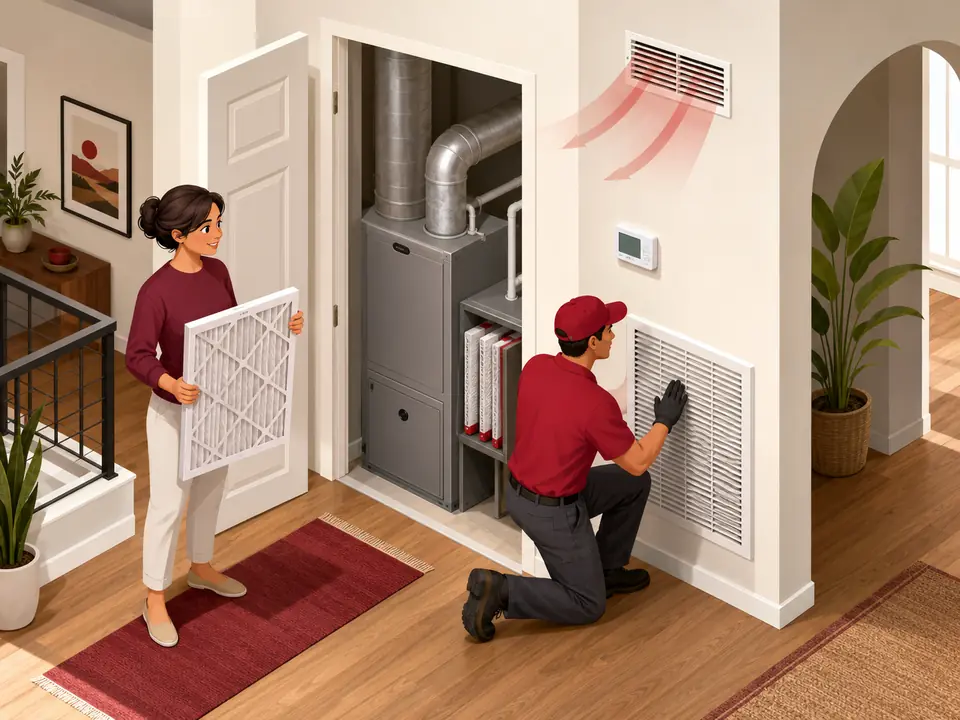
What Furnace Maintenance Service Includes
The checklist should fit the furnace type, condition, installation, fuel, and manufacturer requirements.
Professional furnace maintenance services combine inspection, appropriate cleaning, adjustment, safety checks, and performance testing. A filter change alone does not confirm ignition, airflow, temperature rise, combustion, venting, condensate, or control operation.
From Visual Inspection to Final Heating Report
Furnace Tune-Up and Maintenance Cost
Compare the checklist, testing, cleaning, and exclusions—not only the advertised special.
Current national planning data places a furnace tune-up around $70 to $200. A standard inspection may cost about $70 to $130. Broader annual maintenance with added cleaning or minor work may reach roughly $150 to $500. California labor, access, fuel type, system condition, and included tests affect the actual furnace service cost.
What Changes the Furnace Maintenance Price?
- Furnace type Gas, electric, oil, propane, condensing, mobile-home, staged, or communicating equipment.
- Included testing Combustion, gas pressure, carbon monoxide, static pressure, temperature rise, and electrical readings.
- Cleaning level Light cabinet work versus blower removal, burner service, oil soot, or severe contamination.
- Access and quantity Attic, crawlspace, roof, closet, multiple units, commercial schedule, or finished-area protection.
- Repair findings Failed parts and corrective work should be quoted separately from routine maintenance.
- Plan terms Visit count, filters, discounts, fees, priority, after-hours, renewal, and exclusions.
A low-price furnace tune-up special may cover a short visual check. Ask for the written checklist and whether cleaning, filters, combustion testing, repairs, and taxes are included.
How Furnace Maintenance Works
Inspect the installed system, service what its condition requires, then test the complete heating cycle.
- 01
Inspect and establish baseline
We review service history, filter, thermostat, vents, controls, operating sequence, visible condition, airflow, temperatures, venting, and drainage.
You get a maintenance scope based on condition - 02
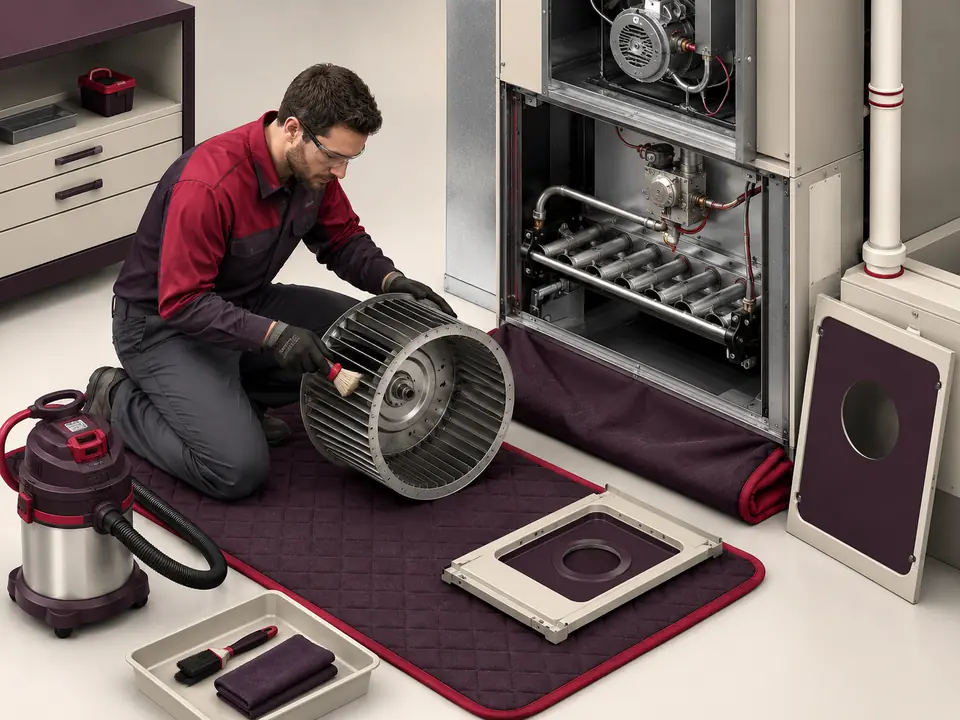
Clean, adjust, and service
We complete appropriate filter, cabinet, burner, flame-sensor, blower, condensate, connection, and equipment-specific maintenance.
You get routine work separated from repairs - 03
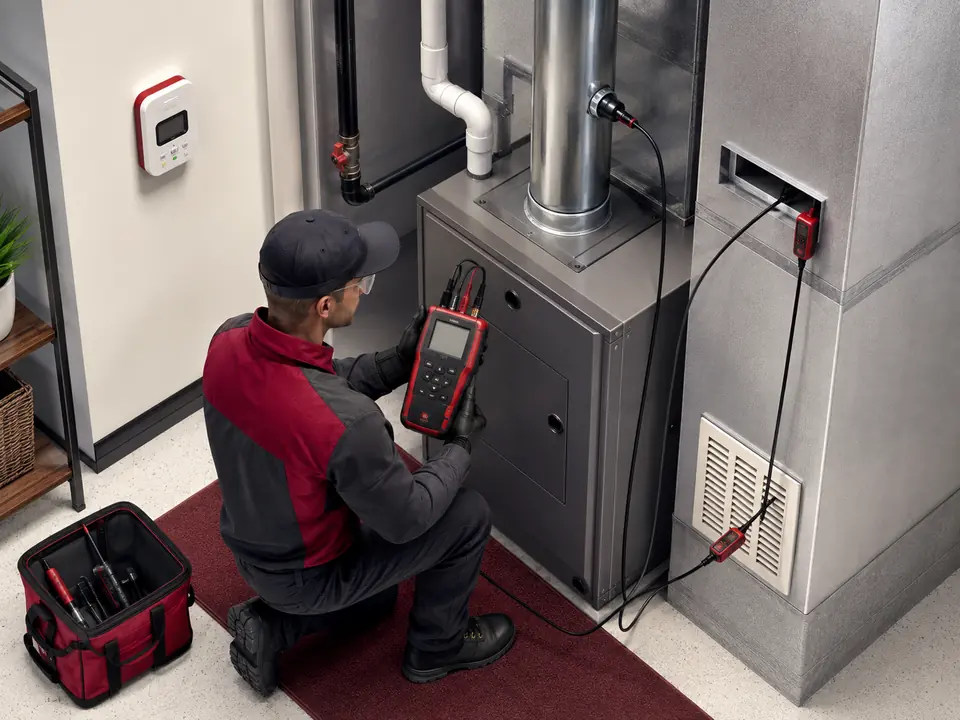
Test and document
We verify ignition, heat delivery, blower operation, temperature rise, static pressure, combustion, venting, safeties, condensate, and shutdown as applicable.
You get findings and the next maintenance date
Maintenance for Gas, Electric, Oil, and Propane Furnaces
Different heat sources require different cleaning, instruments, safety checks, and service intervals.
Gas furnace tune-up
Ignition, burners, flame sensing, gas pressure, heat exchanger, venting, combustion, CO, airflow, and safeties checked.
Equipment-specific checklistElectric furnace maintenance
Elements, sequencers, relays, limits, blower, current draw, electrical connections, thermostat, and airflow evaluated.
Equipment-specific checklistOil furnace service
Burner, nozzle, electrodes, filter, pump, combustion chamber, heat exchanger, draft, flue, smoke, and combustion tested.
Equipment-specific checklistPropane furnace maintenance
Fuel context, approved setup, pressure, ignition, burners, combustion, venting, safeguards, and airflow reviewed.
Equipment-specific checklistHigh-efficiency furnace service
PVC intake and exhaust, condensate trap, drains, inducer, pressure switches, collector, combustion, and controls checked.
Equipment-specific checklistCommercial furnace maintenance
Equipment schedule, access, filters, belts or drives, controls, stages, airflow, safety, documentation, and downtime coordinated.
Equipment-specific checklistWhat You Can Maintain—and What Requires a Professional
Simple airflow housekeeping is different from opening fuel, electrical, combustion, and safety systems.
Homeowners can check the filter monthly, replace it with the correct size and direction, keep supply and return grilles open, review thermostat settings, keep storage away from the furnace, and note changes in sound, odor, moisture, soot, flame appearance, or cycling. Technical furnace service requires safe isolation, instruments, equipment instructions, and the ability to interpret readings.
Stop Routine Maintenance When a Repair Is Needed
No heat, repeated lockout, gas odor, soot, a CO alarm, electrical burning, water damage, a tripping breaker, loud mechanical noise, or an unsafe vent condition is not a tune-up item. Leave equipment off when safety is uncertain and arrange the appropriate utility, emergency, or furnace repair response.
What Professional Furnace Maintenance Should Deliver
The visit should provide measured information about condition, safety, airflow, and heating performance.
Equipment-specific checklist. The service fits the fuel, design, controls, venting, drainage, and manufacturer requirements.
Condition-based cleaning. Dust and buildup are removed where they affect operation and within the agreed scope.
Measured operation. Electrical, pressure, temperature, airflow, flame, combustion, and carbon-monoxide readings are used as applicable.
Repairs separated. A failed part or unsafe condition receives its own diagnosis, explanation, and approval.
Useful documentation. Findings, readings, filter details, completed work, priorities, and next service date are recorded.
Complete furnace tune-up
Why Choose All HVAC California for Furnace Maintenance?
A reliable furnace maintenance company should explain the checklist, readings, cleaning, repair findings, and next step.
- Annual service baseline History, filter, thermostat, access, visible condition, and symptoms reviewed.
- Equipment-specific checklist Gas, electric, oil, propane, condensing, mobile-home, and commercial needs separated.
- Condition-based cleaning Work responds to actual dust, soot, drainage, and component condition.
- Measured performance Temperature, airflow, electrical, pressure, and combustion conditions checked as applicable.
- Safety-focused inspection Heat exchanger observations, flue, combustion air, safeties, and CO context included.
- Repairs quoted separately Maintenance does not become an unapproved repair bill.
- Filter guidance Correct size, type, direction, fit, and practical schedule reviewed.
- Documented handover Completed work, findings, readings, priorities, and next service date explained.
Local Furnace Maintenance Across California
Climate, wildfire smoke, dust, pets, building type, run time, fuel, and access can change the maintenance need.
Homeowners searching for furnace maintenance near me, furnace service near me, or a local heating tune-up need more than a nearby appointment. Share the model, fuel, filter size, installation location, prior service date, known concerns, and access when scheduling.
- Single-family homes Central gas, electric, oil, propane, and high-efficiency equipment.
- Condos and townhomes Closet access, shared walls, vent paths, filters, drainage, and association rules.
- Mobile and manufactured homes Listed equipment, downflow airflow, crossover ducts, combustion air, and approved parts.
- Attics and crawlspaces Platforms, pans, drains, venting, duct support, insulation, and restricted access.
- Garages and workshops Storage clearance, dust exposure, combustion, impact protection, and ventilation.
- Light commercial buildings Occupancy, maintenance records, filter schedule, controls, access, downtime, and multiple units.
Related Services for the Complete Heating System
Maintenance may identify a repair, replacement decision, filter issue, duct concern, or accessory problem.
Our Furnace Maintenance Commitments
No invented plan benefits or warranty claims—just clear, verifiable service standards.
The equipment type, included inspection, cleaning, and testing are defined.
Relevant temperature, airflow, electrical, pressure, combustion, and safety conditions are checked.
A failed component or corrective action is explained and approved separately.
Work, findings, priorities, filter guidance, and next service date are reviewed.
Residential and Commercial Furnace Maintenance
The maintenance plan changes with the property, access, furnace orientation, fuel, filters, controls, and operating schedule.
Furnace Maintenance From Filter Check to Safety Testing
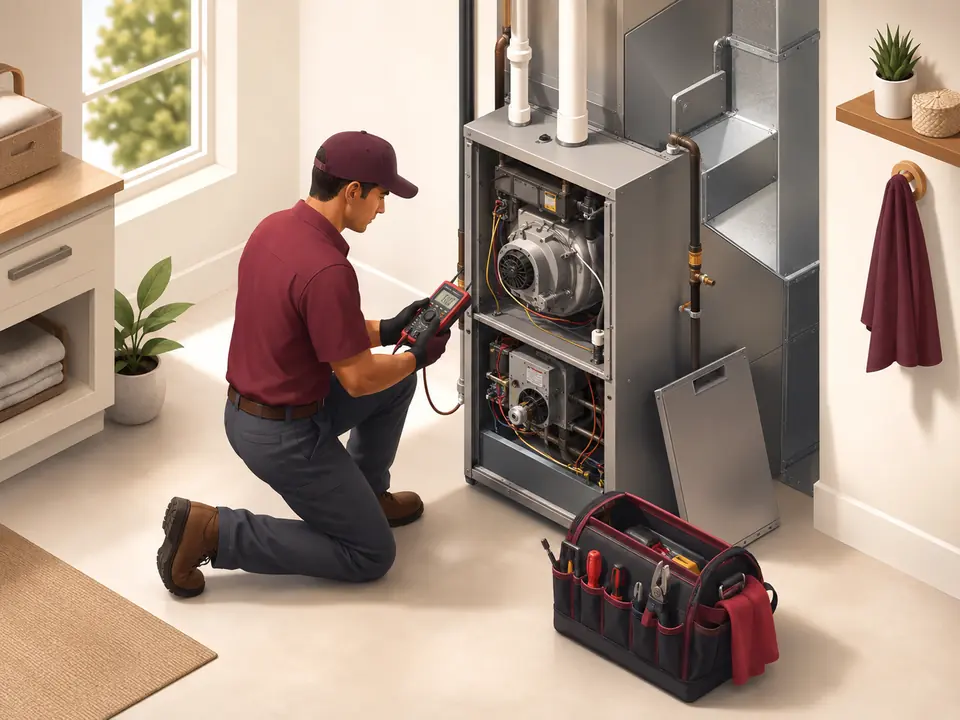
What Better Furnace Maintenance Feels Like
These are service standards—not fictional testimonials.
The technician explains the checklist and adjusts the work to the actual furnace, fuel, controls, venting, airflow, and condition.
Cleaning, readings, safety observations, and repair findings are separated so you understand what is routine and what needs approval.
The furnace completes a heating cycle and you receive filter guidance, priorities, documented findings, and a practical next service date.
Service Options, Costs, and Questions We Address
Use this service index to identify the installation, repair, cost, equipment, or local-support topic that matches your project.
Ready to Request Furnace Maintenance?
Share the furnace fuel, model, filter size, installation location, and last service date.
Request professional furnace maintenance, a furnace tune-up, heating inspection, filter service, condition-based cleaning, combustion analysis, airflow testing, or seasonal heating maintenance. Current appointment timing depends on location, weather, access, and technician availability.
Furnace Maintenance Questions Answered
Current national planning data places a typical furnace tune-up around $70 to $200. A basic furnace inspection may run about $70 to $130, while annual maintenance with additional cleaning or minor work may cost more. California location, fuel type, access, system condition, included tests, and repairs determine the actual furnace maintenance cost.
Schedule professional furnace maintenance about once a year, ideally before the main heating season. Fuel-burning equipment needs particular attention to combustion, venting, and carbon-monoxide safety. Filters, thermostat settings, vents, and the furnace area should be checked more often during use.
A complete scope may include the filter, thermostat, electrical connections, control sequence, inducer, pressure switches, ignition, burners, flame sensing, gas pressure, blower, temperature rise, airflow, static pressure, heat exchanger observations, venting, combustion, carbon monoxide, condensate, safeties, and a written findings report.
Check the filter monthly during heavy heating or cooling use. Replace it when dirty and follow the furnace, filter, and indoor-air-quality instructions. ENERGY STAR advises checking monthly and changing at least every three months. Some homes need shorter intervals because of pets, smoke, dust, remodeling, allergies, or higher run time.
Homeowners can usually replace the correct filter, keep registers and returns clear, check thermostat settings, and keep storage away from the furnace. Internal electrical, fuel, burner, blower, heat-exchanger, venting, combustion, and safety work should be left to a qualified professional. Never bypass a safety control.
Maintenance includes cleaning based on the equipment condition and agreed scope. Light cabinet, burner, flame-sensor, blower, drain, or accessible-surface cleaning may be appropriate. Deep blower removal, oil-soot cleaning, duct cleaning, severe contamination, or repair work can require separate labor and pricing.
Late summer or fall is a practical time because it prepares the system before regular heating demand. Maintenance can be scheduled at any time when service history is overdue, a home changes ownership, a filter becomes repeatedly dirty, or the furnace shows a performance or safety concern.
Annual service helps identify airflow restrictions, loose connections, ignition concerns, vent defects, drainage problems, control faults, and combustion issues before peak use. CPSC guidance recommends annual professional inspection of heating systems and their chimneys or flues for safe operation.
The checklist depends on the equipment and listing. Confirm the exact fuel, brand, model, installation location, access, property use, and known concerns when scheduling so the visit can be matched to the required furnace service.
Not automatically. Maintenance agreements vary by number of visits, included tests, filters, cleaning, diagnostic fees, repair discounts, priority scheduling, after-hours terms, cancellation, renewal, and equipment limits. Review every benefit and exclusion in writing before choosing a furnace service plan.
Furnace Maintenance That Prepares the System Before Winter
A furnace tune-up should do more than change a filter and listen for heat.
Our furnace maintenance process covers filters, thermostat response, electrical controls, ignition, burners, blower, airflow, temperature rise, heat exchanger observations, venting, combustion, carbon monoxide, condensate, and safety shutdowns. The scope is adjusted for gas, electric, oil, propane, high-efficiency, mobile-home, and light-commercial furnaces.
- Annual heating checklistFilter, controls, ignition, airflow, venting, and safety reviewed
- Condition-based cleaningService matches the equipment—not a generic spray-and-go visit
- Measured performanceTemperature, airflow, combustion, and safeties verified as applicable
What Annual Furnace Maintenance Should Check
Preventive service connects simple upkeep with measured heating performance and safety.
Filters, blocked returns, closed registers, thermostat errors, dust, loose connections, ignition wear, condensate restrictions, and vent problems can develop quietly between heating seasons.
A furnace checkup should follow the operating sequence and distinguish routine cleaning from a repair. If a failed part or unsafe condition is found, the technician should explain the evidence and quote the correction separately.
Homeowner tasks remain limited to safe access: replace the correct filter, keep vents clear, check the thermostat, keep the furnace area clean, and report unusual sounds, odors, soot, moisture, or repeated shutdowns.
What Furnace Maintenance Service Includes
The checklist should fit the furnace type, condition, installation, fuel, and manufacturer requirements.
Professional furnace maintenance services combine inspection, appropriate cleaning, adjustment, safety checks, and performance testing. A filter change alone does not confirm ignition, airflow, temperature rise, combustion, venting, condensate, or control operation.
From Visual Inspection to Final Heating Report
Furnace Tune-Up and Maintenance Cost
Compare the checklist, testing, cleaning, and exclusions—not only the advertised special.
Current national planning data places a furnace tune-up around $70 to $200. A standard inspection may cost about $70 to $130. Broader annual maintenance with added cleaning or minor work may reach roughly $150 to $500. California labor, access, fuel type, system condition, and included tests affect the actual furnace service cost.
What Changes the Furnace Maintenance Price?
- Furnace type Gas, electric, oil, propane, condensing, mobile-home, staged, or communicating equipment.
- Included testing Combustion, gas pressure, carbon monoxide, static pressure, temperature rise, and electrical readings.
- Cleaning level Light cabinet work versus blower removal, burner service, oil soot, or severe contamination.
- Access and quantity Attic, crawlspace, roof, closet, multiple units, commercial schedule, or finished-area protection.
- Repair findings Failed parts and corrective work should be quoted separately from routine maintenance.
- Plan terms Visit count, filters, discounts, fees, priority, after-hours, renewal, and exclusions.
A low-price furnace tune-up special may cover a short visual check. Ask for the written checklist and whether cleaning, filters, combustion testing, repairs, and taxes are included.
How Furnace Maintenance Works
Inspect the installed system, service what its condition requires, then test the complete heating cycle.
- 01
Inspect and establish baseline
We review service history, filter, thermostat, vents, controls, operating sequence, visible condition, airflow, temperatures, venting, and drainage.
You get a maintenance scope based on condition - 02
Clean, adjust, and service
We complete appropriate filter, cabinet, burner, flame-sensor, blower, condensate, connection, and equipment-specific maintenance.
You get routine work separated from repairs - 03
Test and document
We verify ignition, heat delivery, blower operation, temperature rise, static pressure, combustion, venting, safeties, condensate, and shutdown as applicable.
You get findings and the next maintenance date
Maintenance for Gas, Electric, Oil, and Propane Furnaces
Different heat sources require different cleaning, instruments, safety checks, and service intervals.
Gas furnace tune-up
Ignition, burners, flame sensing, gas pressure, heat exchanger, venting, combustion, CO, airflow, and safeties checked.
Equipment-specific checklistElectric furnace maintenance
Elements, sequencers, relays, limits, blower, current draw, electrical connections, thermostat, and airflow evaluated.
Equipment-specific checklistOil furnace service
Burner, nozzle, electrodes, filter, pump, combustion chamber, heat exchanger, draft, flue, smoke, and combustion tested.
Equipment-specific checklistPropane furnace maintenance
Fuel context, approved setup, pressure, ignition, burners, combustion, venting, safeguards, and airflow reviewed.
Equipment-specific checklistHigh-efficiency furnace service
PVC intake and exhaust, condensate trap, drains, inducer, pressure switches, collector, combustion, and controls checked.
Equipment-specific checklistCommercial furnace maintenance
Equipment schedule, access, filters, belts or drives, controls, stages, airflow, safety, documentation, and downtime coordinated.
Equipment-specific checklistWhat You Can Maintain—and What Requires a Professional
Simple airflow housekeeping is different from opening fuel, electrical, combustion, and safety systems.
Homeowners can check the filter monthly, replace it with the correct size and direction, keep supply and return grilles open, review thermostat settings, keep storage away from the furnace, and note changes in sound, odor, moisture, soot, flame appearance, or cycling. Technical furnace service requires safe isolation, instruments, equipment instructions, and the ability to interpret readings.
Stop Routine Maintenance When a Repair Is Needed
No heat, repeated lockout, gas odor, soot, a CO alarm, electrical burning, water damage, a tripping breaker, loud mechanical noise, or an unsafe vent condition is not a tune-up item. Leave equipment off when safety is uncertain and arrange the appropriate utility, emergency, or furnace repair response.
What Professional Furnace Maintenance Should Deliver
The visit should provide measured information about condition, safety, airflow, and heating performance.
Equipment-specific checklist. The service fits the fuel, design, controls, venting, drainage, and manufacturer requirements.
Condition-based cleaning. Dust and buildup are removed where they affect operation and within the agreed scope.
Measured operation. Electrical, pressure, temperature, airflow, flame, combustion, and carbon-monoxide readings are used as applicable.
Repairs separated. A failed part or unsafe condition receives its own diagnosis, explanation, and approval.
Useful documentation. Findings, readings, filter details, completed work, priorities, and next service date are recorded.
Complete furnace tune-up
Why Choose All HVAC California for Furnace Maintenance?
A reliable furnace maintenance company should explain the checklist, readings, cleaning, repair findings, and next step.
- Annual service baseline History, filter, thermostat, access, visible condition, and symptoms reviewed.
- Equipment-specific checklist Gas, electric, oil, propane, condensing, mobile-home, and commercial needs separated.
- Condition-based cleaning Work responds to actual dust, soot, drainage, and component condition.
- Measured performance Temperature, airflow, electrical, pressure, and combustion conditions checked as applicable.
- Safety-focused inspection Heat exchanger observations, flue, combustion air, safeties, and CO context included.
- Repairs quoted separately Maintenance does not become an unapproved repair bill.
- Filter guidance Correct size, type, direction, fit, and practical schedule reviewed.
- Documented handover Completed work, findings, readings, priorities, and next service date explained.
Local Furnace Maintenance Across California
Climate, wildfire smoke, dust, pets, building type, run time, fuel, and access can change the maintenance need.
Homeowners searching for furnace maintenance near me, furnace service near me, or a local heating tune-up need more than a nearby appointment. Share the model, fuel, filter size, installation location, prior service date, known concerns, and access when scheduling.
- Single-family homes Central gas, electric, oil, propane, and high-efficiency equipment.
- Condos and townhomes Closet access, shared walls, vent paths, filters, drainage, and association rules.
- Mobile and manufactured homes Listed equipment, downflow airflow, crossover ducts, combustion air, and approved parts.
- Attics and crawlspaces Platforms, pans, drains, venting, duct support, insulation, and restricted access.
- Garages and workshops Storage clearance, dust exposure, combustion, impact protection, and ventilation.
- Light commercial buildings Occupancy, maintenance records, filter schedule, controls, access, downtime, and multiple units.
Related Services for the Complete Heating System
Maintenance may identify a repair, replacement decision, filter issue, duct concern, or accessory problem.
Our Furnace Maintenance Commitments
No invented plan benefits or warranty claims—just clear, verifiable service standards.
The equipment type, included inspection, cleaning, and testing are defined.
Relevant temperature, airflow, electrical, pressure, combustion, and safety conditions are checked.
A failed component or corrective action is explained and approved separately.
Work, findings, priorities, filter guidance, and next service date are reviewed.
Residential and Commercial Furnace Maintenance
The maintenance plan changes with the property, access, furnace orientation, fuel, filters, controls, and operating schedule.
Furnace Maintenance From Filter Check to Safety Testing
What Better Furnace Maintenance Feels Like
These are service standards—not fictional testimonials.
The technician explains the checklist and adjusts the work to the actual furnace, fuel, controls, venting, airflow, and condition.
Cleaning, readings, safety observations, and repair findings are separated so you understand what is routine and what needs approval.
The furnace completes a heating cycle and you receive filter guidance, priorities, documented findings, and a practical next service date.
Ready to Request Furnace Maintenance?
Share the furnace fuel, model, filter size, installation location, and last service date.
Request professional furnace maintenance, a furnace tune-up, heating inspection, filter service, condition-based cleaning, combustion analysis, airflow testing, or seasonal heating maintenance. Current appointment timing depends on location, weather, access, and technician availability.
Furnace Maintenance Questions Answered
Current national planning data places a typical furnace tune-up around $70 to $200. A basic furnace inspection may run about $70 to $130, while annual maintenance with additional cleaning or minor work may cost more. California location, fuel type, access, system condition, included tests, and repairs determine the actual furnace maintenance cost.
Schedule professional furnace maintenance about once a year, ideally before the main heating season. Fuel-burning equipment needs particular attention to combustion, venting, and carbon-monoxide safety. Filters, thermostat settings, vents, and the furnace area should be checked more often during use.
A complete scope may include the filter, thermostat, electrical connections, control sequence, inducer, pressure switches, ignition, burners, flame sensing, gas pressure, blower, temperature rise, airflow, static pressure, heat exchanger observations, venting, combustion, carbon monoxide, condensate, safeties, and a written findings report.
Check the filter monthly during heavy heating or cooling use. Replace it when dirty and follow the furnace, filter, and indoor-air-quality instructions. ENERGY STAR advises checking monthly and changing at least every three months. Some homes need shorter intervals because of pets, smoke, dust, remodeling, allergies, or higher run time.
Homeowners can usually replace the correct filter, keep registers and returns clear, check thermostat settings, and keep storage away from the furnace. Internal electrical, fuel, burner, blower, heat-exchanger, venting, combustion, and safety work should be left to a qualified professional. Never bypass a safety control.
Maintenance includes cleaning based on the equipment condition and agreed scope. Light cabinet, burner, flame-sensor, blower, drain, or accessible-surface cleaning may be appropriate. Deep blower removal, oil-soot cleaning, duct cleaning, severe contamination, or repair work can require separate labor and pricing.
Late summer or fall is a practical time because it prepares the system before regular heating demand. Maintenance can be scheduled at any time when service history is overdue, a home changes ownership, a filter becomes repeatedly dirty, or the furnace shows a performance or safety concern.
Annual service helps identify airflow restrictions, loose connections, ignition concerns, vent defects, drainage problems, control faults, and combustion issues before peak use. CPSC guidance recommends annual professional inspection of heating systems and their chimneys or flues for safe operation.
The checklist depends on the equipment and listing. Confirm the exact fuel, brand, model, installation location, access, property use, and known concerns when scheduling so the visit can be matched to the required furnace service.
Not automatically. Maintenance agreements vary by number of visits, included tests, filters, cleaning, diagnostic fees, repair discounts, priority scheduling, after-hours terms, cancellation, renewal, and equipment limits. Review every benefit and exclusion in writing before choosing a furnace service plan.