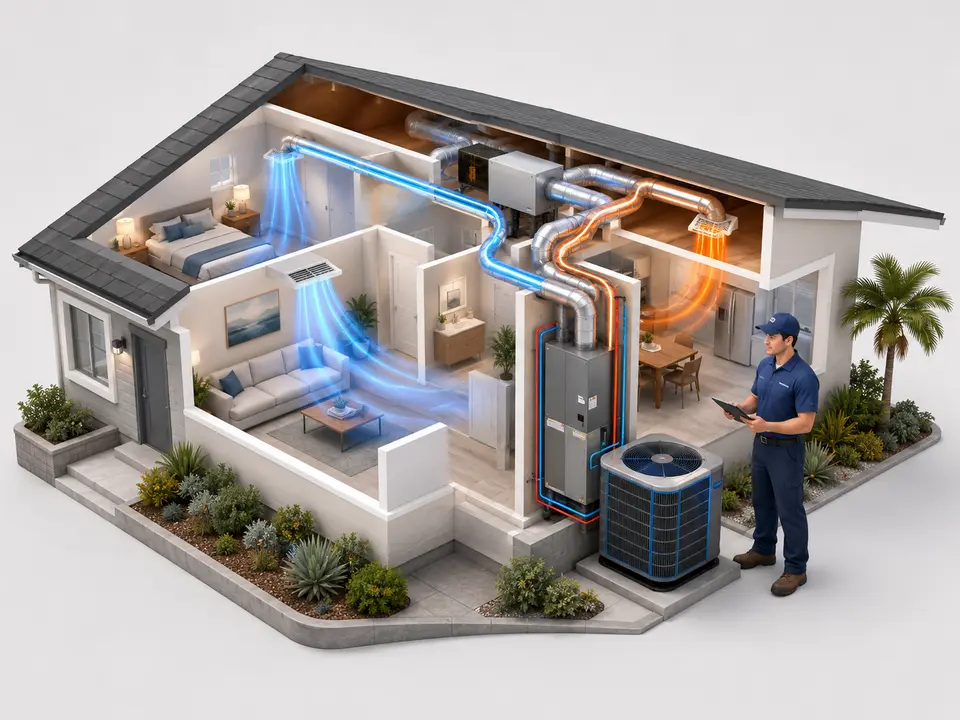
BTU tells you how much heating or cooling work equipment can handle. It measures capacity, not electricity use. That small distinction prevents big buying mistakes.
BTU meaning in HVAC starts with heat movement. Your system adds heat during winter. It removes heat during summer.
This guide explains HVAC BTU ratings in plain English. You will learn sizing, labels, and load calculations. Knowledge is power before any equipment quote.
Homeowners often see BTU numbers on proposals and product pages. Those figures can feel cryptic. A clear definition restores confidence during comparison. Good records also make future repairs faster, clearer, and easier to compare.
The Quick Answer
What does BTU stand for? It means British thermal unit. One BTU represents a small amount of heat energy.
HVAC equipment ratings usually show BTU per hour. Contractors may shorten that rate to BTUH. Apples and oranges should never share one comparison.
Capacity tells you how quickly equipment moves heat. Efficiency tells you how much energy supports that work. Bigger capacity does not guarantee better comfort.
What One BTU Really Measures
One BTU can raise one pound of water by one degree Fahrenheit. That sounds tiny. Many small units describe household heating and cooling loads.
Think of BTUs like buckets carrying heat. More buckets move more heat each hour. Still waters run deep when simple units explain complex work.
The rating does not describe air temperature. It describes heat transfer over time. Your thermostat only shows the final room result.
A colder vent does not automatically mean greater total capacity. Airflow changes the delivered result. Capacity needs both temperature change and air movement.
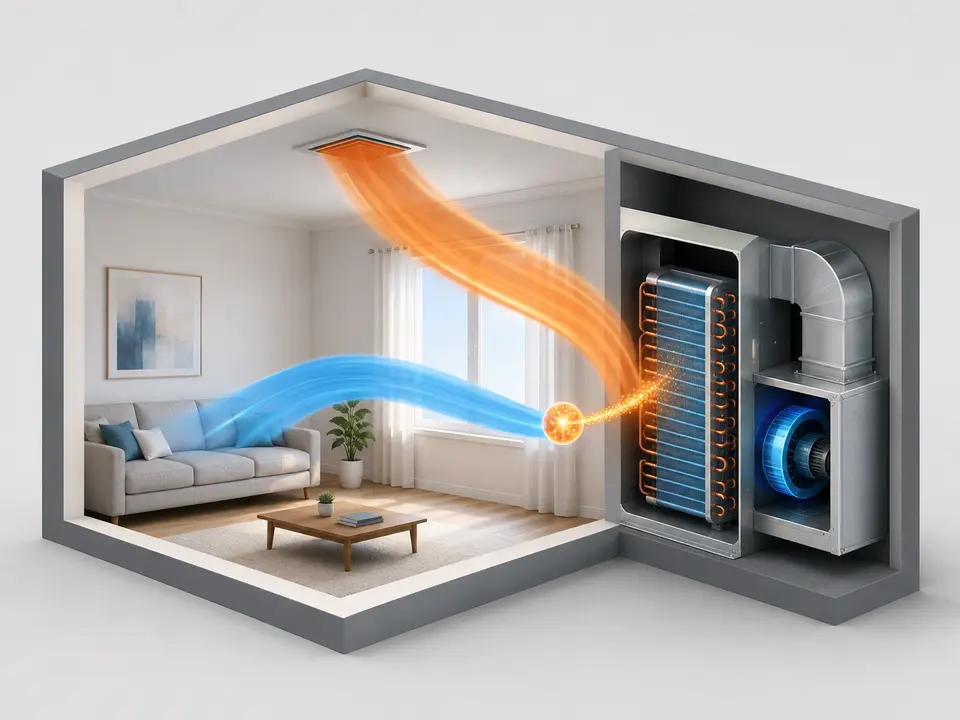
BTU Describes Heating and Cooling Capacity
Cooling capacity measures heat removal during one hour. Heating capacity measures heat added during one hour. Two sides of the same coin serve different seasons.
An air conditioner BTU rating describes cooling output. A furnace BTU rating describes heat input or output. Read the label carefully.
A heat pump BTU rating may cover both modes. A mini split BTU rating may serve one zone. Outdoor weather changes available heating output.
BTU Per Hour Is a Rate
A capacity rating includes time for an important reason. Heat enters and leaves your home continuously. The system must keep pace during design weather.
Imagine a bathtub with water entering through one faucet. Cooling acts like the drain. The early bird catches the worm when capacity matches demand.
A larger drain moves more water each minute. Yet an oversized drain creates poor control. HVAC capacity works in a similar way.
How BTU Connects With HVAC Tonnage
HVAC tonnage is another cooling capacity label. One ton of cooling equals 12000 BTU each hour. The term does not describe equipment weight.
A small system might carry 18000 BTU of cooling capacity. A common two-ton size provides 24000 BTU. A three-ton model provides 36000 BTU.
Numbers often appear without commas on equipment labels. Do not judge a book by its cover. Confirm units before comparing models.
Our HVAC beginner guide explains how this capacity fits the complete system.
Capacity Is Not the Same as Equipment Size
HVAC system size usually means capacity, not cabinet dimensions. Air conditioner size often means tons or hourly BTUs. Words can wear different hats.
Furnace size usually describes input and output ratings. Heat pump size usually describes nominal cooling capacity. Heating data needs a separate check.
Physical dimensions still matter during installation. However, they do not reveal performance alone. Model data provides the reliable answer.
Two cabinets can look almost identical from the curb. Their internal parts may differ. Never estimate capacity from appearance or fan diameter.
Why Square Foot Rules Fall Short
A quick BTU calculator may request only floor area. A square footage BTU chart can estimate room units. Whole-home design needs more facts.
A fixed BTU per square foot rule ignores construction and weather. The same room size can carry different loads. One size never fits all.
Even equal home size does not guarantee equal demand. Shade, windows, and leakage change heat flow. Guessing can cost comfort.
Manual J Replaces Guesswork
An HVAC load calculation estimates room-by-room heat gain and loss. A Manual J load calculation follows a recognized residential method. Measure twice and cut once.
The process uses building details and local design conditions. It produces separate heating and cooling needs. Equipment selection follows those results.
Room results also guide duct and airflow planning. Large rooms may need more delivered air. Smaller rooms need suitable branches and balancing.
ACCA calls Manual J its ANSI-recognized residential sizing standard. Read the official Manual J overview. Approved software supports a repeatable process.
Climate Changes the Load
Your climate zone shapes outdoor design temperatures. California climate varies from coastal mildness to desert heat. Know which way the wind blows.
Mountain homes face colder winter conditions. Central Valley homes may face long summer heat. Coastal homes may need less peak cooling.
Local weather data matters more than a national shortcut. A nearby project may still differ. Site conditions finish the picture.
Building Details Change BTU Needs
Insulation levels slow heat movement through walls and roofs. Window area changes solar gain and heat loss. The devil is in the details.
Ceiling height changes room volume. Air leakage allows untreated outdoor air inside. Existing ductwork can add gains or losses.
Sun exposure affects roof and glass temperatures. Home orientation changes when rooms receive direct sunlight. Shading can reduce peak demand.

People and Appliances Add Heat
Occupancy adds body heat and moisture inside rooms. Cooking and electronics also create indoor heat gain. Many hands make light work, but they also add heat.
Bedrooms may hold people overnight. Kitchens create short, stronger gains. Home offices run electronics for longer periods.
A proper calculation uses reasonable design assumptions. It does not chase every temporary event. Normal use guides dependable sizing.
Sensible and Latent Loads Work Together
The cooling load contains temperature and moisture work. The heating load focuses mainly on replacing lost heat. Both depend on outdoor conditions.
Sensible heat changes dry-bulb temperature. Latent heat involves moisture removal. There is more than meets the eye inside one capacity number.
Good humidity control needs suitable capacity and cycle length. Airflow also affects moisture removal. Equipment must handle both load parts.
Oversized Equipment Can Hurt Comfort
An oversized air conditioner may cool the thermostat area quickly. It can then stop before other rooms catch up. Bigger is not always better.
Frequent starts and stops create short cycling. Short runs may reduce moisture removal. Temperature swings can also feel harsher.
Oversizing may increase noise and airflow complaints. It can also weaken comfort near design weather. Correct capacity supports steadier operation.

Undersized Equipment Has Different Problems
An undersized air conditioner may run continuously during hot afternoons. Long operation alone does not prove bad sizing. Every cloud has a silver lining.
Modern systems often use long cooling cycles for stable comfort. Concern starts when indoor temperature keeps rising. Dirty filters or duct faults can look similar.
A technician should check operation before blaming capacity. Airflow and refrigerant problems can reduce delivered output. Diagnosis protects good equipment from needless replacement.
Capacity and Efficiency Are Different
Energy efficiency describes useful output compared with energy input. Capacity describes total heat movement. Comparing them directly mixes apples and oranges.
A SEER2 rating describes seasonal cooling efficiency. An AFUE rating describes furnace fuel use. Neither rating replaces a load calculation.
Efficient equipment still needs correct installation and airflow. Poor ducts can waste good performance. Capacity, efficiency, and delivery must work together.
Ask whether quoted efficiency applies to the complete matched system. Individual cabinet ratings may mislead. Certified combination data supports a fair comparison.
Variable Equipment Changes How Capacity Feels
Variable speed HVAC equipment can adjust output across changing conditions. An inverter heat pump can also modulate compressor speed. Slow and steady wins the race.
Lower output can support quieter, longer operation. Higher output helps during stronger loads. The listed maximum still needs proper selection.
Modulation does not excuse major oversizing. Control range and manufacturer data matter. A matched design protects comfort across seasons.
See our HVAC system type guide for common variable and fixed-capacity layouts.
Where to Find Your System Rating
The equipment nameplate may list capacity directly. Otherwise, the model number often contains a capacity code. Look before you leap.
Common codes may include 18, 24, 30, 36, 42, 48, or 60. Manufacturers can use different patterns. Confirm the code through official model data.
Indoor and outdoor units should form a rated match. One cabinet label cannot prove complete-system output. Keep model photos with your home records.
Our HVAC parts guide shows where major indoor and outdoor components sit.
How to Compare Installation Quotes
A good HVAC quote should identify proposed capacity and model numbers. It should explain the sizing method. The proof is in the pudding.
Quality HVAC installation also includes airflow, drainage, controls, and commissioning. Capacity alone cannot protect performance. Ask what testing follows startup.
During HVAC replacement, old tonnage should not become the automatic answer. Home upgrades may change the load. Previous equipment may have been wrong.
A licensed HVAC contractor can connect the calculation with available models. Review our HVAC service guide before requesting an assessment.

Frequently Asked Questions
These answers cover the searches homeowners ask most. They separate capacity from efficiency and physical size. A little knowledge goes a long way.
What does BTU mean in HVAC?
BTU measures heat energy. HVAC ratings usually state BTUs moved each hour. The number describes heating or cooling capacity.
How much energy is one BTU?
One BTU raises one pound of water by one Fahrenheit degree. It is a small unit. HVAC systems move thousands hourly.
Is higher BTU better?
No. Higher capacity only means more heat movement. The right rating must match the building load.
How many BTUs do I need?
Your home needs a professional load calculation. Size, climate, insulation, glass, leakage, and ducts all matter. Square footage cannot finish the job.
How many BTUs are in one HVAC ton?
One cooling ton equals 12,000 BTUs each hour. Two tons equal 24,000. Three tons equal 36,000.
What does 12,000 BTU mean?
It means 12,000 BTUs of rated hourly capacity. For cooling, that equals one nominal ton. Actual performance depends on conditions.
Is furnace BTU the same as AC BTU?
Both use the same heat unit. Furnace labels may show input and output. AC labels usually show cooling capacity.
Where can I find my system’s BTU rating?
Check the nameplate and model data. Capacity codes often appear inside model numbers. Confirm them through manufacturer documents.
Can square footage determine BTU size?
Square footage provides a rough starting point. It ignores many building and climate details. Whole-home sizing needs a load calculation.
What happens when an AC has too many BTUs?
It may cycle quickly and control moisture poorly. Some rooms may stay uneven. Proper diagnosis should confirm the cause.
What happens when an AC has too few BTUs?
It may struggle during peak heat. However, airflow or refrigerant faults can mimic low capacity. Testing prevents wrong conclusions.
Who should calculate HVAC BTU requirements?
A qualified HVAC professional should perform the calculation. Ask about Manual J methods and documented inputs. Clear records build trust.
The Bottom Line
BTU is a heat unit. BTU per hour describes HVAC capacity. Keep your eye on the ball when comparing ratings.
The correct number comes from the home, climate, and equipment data. It does not come from guesswork. Comfort improves when capacity matches demand.
ENERGY STAR publishes a room air conditioner capacity chart. Use it only for individual room units. Whole-home systems need a complete load calculation.
Read how an HVAC system works next. It connects heat movement, airflow, controls, and equipment.