Choosing HVAC equipment should feel clear, not like alphabet soup.
Homes can use several heating and cooling designs. Each option handles space, weather, and comfort differently. Why buy a system before understanding the choices?
This guide compares the main types of HVAC systems. You’ll see their strengths, limits, and best uses. Different strokes suit different folks, especially across California.
Start With the Main HVAC System Types
Most HVAC system types combine heating, cooling, airflow, and controls. Some use ducts, while others treat rooms directly. Horses for courses means each home needs its own match.
Common home HVAC systems include split systems, heat pumps, furnaces, boilers, and mini splits. Larger residential HVAC systems may also use zones. Building shape and climate guide the choice.
- Split systems separate indoor and outdoor equipment.
- Packaged systems place major parts inside one cabinet.
- Ductless systems serve rooms without large ducts.
- Boilers move hot water or steam instead of air.
Central Air Conditioning With a Furnace
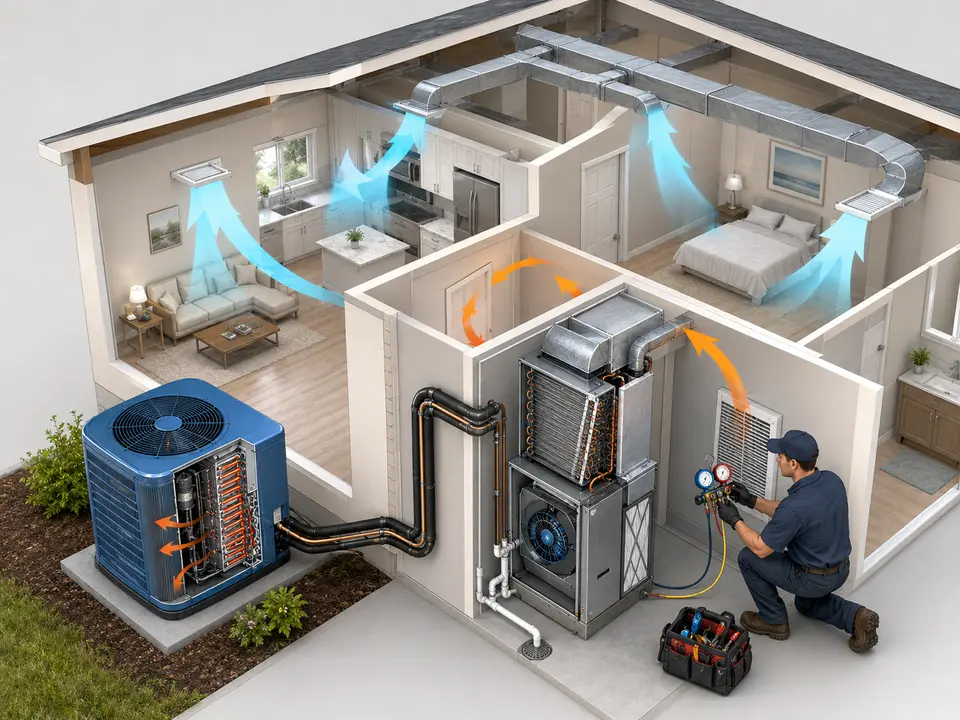
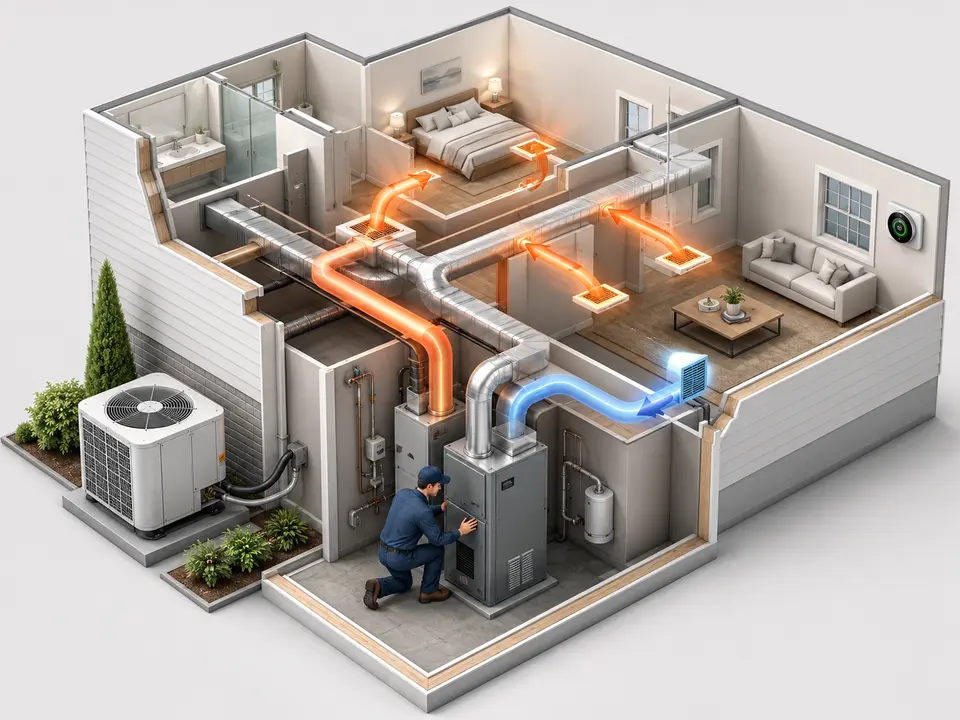
Central air conditioning cools air at one indoor coil. A blower moves that air through ducts. The system can serve an entire house.
A common split system HVAC pairs an outdoor condenser with indoor equipment. The furnace and air conditioner share one blower. Two heads are better than one when equipment works as a matched pair.
A gas furnace system creates heat through controlled combustion. An electric furnace system uses electric heating elements. Both support forced air heating.
Heat Pump Systems
A heat pump system moves heat instead of creating most heat directly. It cools during summer and reverses for winter. One machine can handle both seasons.
An air source heat pump collects heat from outdoor air. A central heat pump connects with ducts. Make hay while the sun shines fits California’s mild regions.
A dual fuel system pairs a heat pump with a furnace. This hybrid HVAC system changes heat sources as conditions shift. An all electric HVAC system avoids onsite gas use.
A geothermal heat pump exchanges heat with the ground. Installation needs suitable land and budget. Slow and steady wins the race through stable ground temperatures.
Ductless Mini-Split Systems
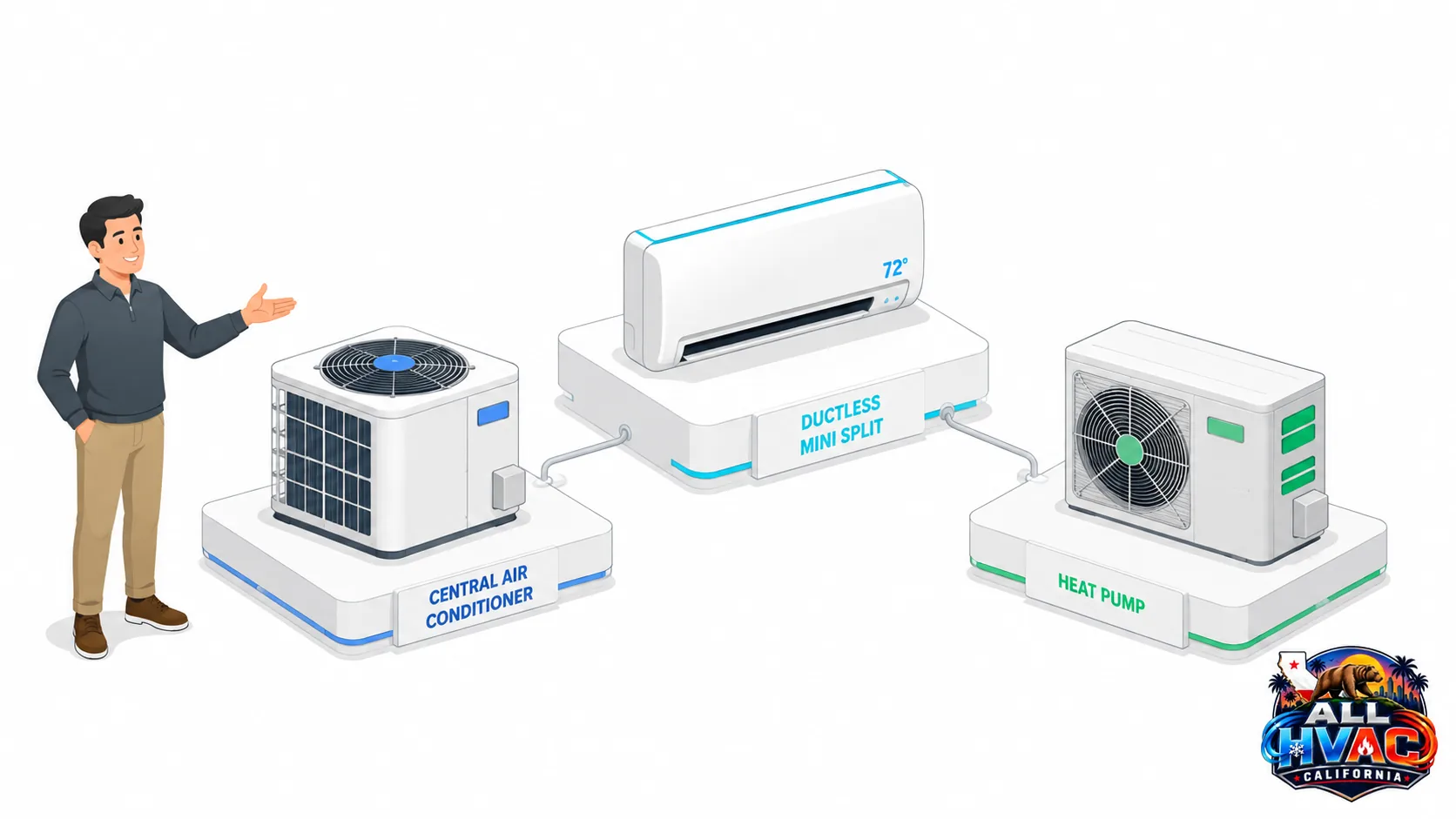
A ductless mini split links an outdoor unit with indoor room units. Each indoor head serves a defined area. It avoids energy losses from old ducts.
A single zone mini split serves one room or open area. A multi zone mini split connects several heads. Divide and conquer works well for additions and older homes.
Most modern systems operate as a mini split heat pump. They provide cooling and heating. Indoor heads need thoughtful placement for even comfort.
Packaged and Rooftop HVAC Systems
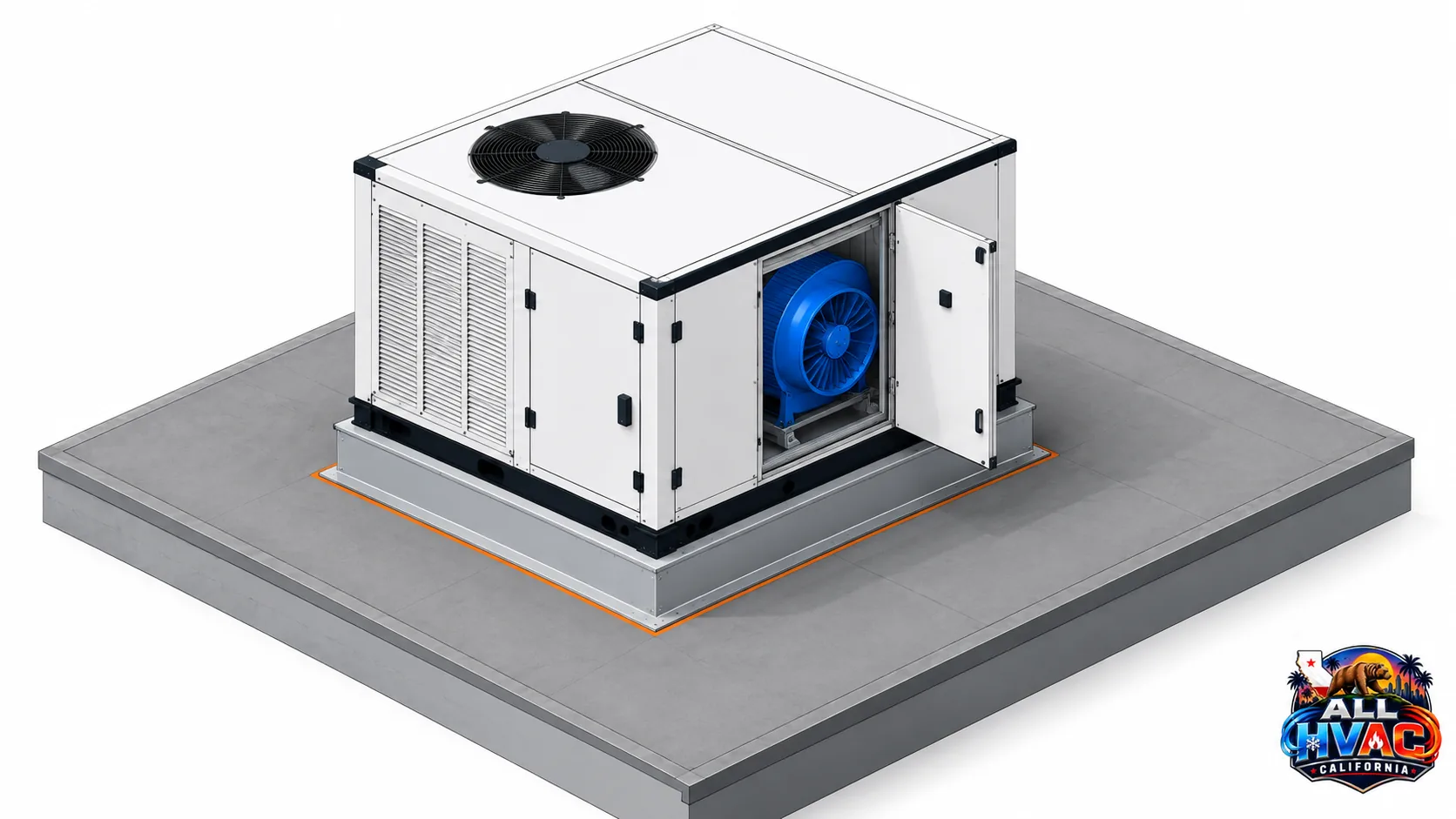
A packaged HVAC system holds heating and cooling parts inside one cabinet. It may sit beside a building or on its roof. Compact design can save indoor space.
A rooftop HVAC unit commonly serves commercial buildings and some homes. Short duct paths may simplify installation. Out of sight should never mean out of mind.
The choice of packaged unit vs split system depends on access and layout. Weather exposure also matters. Service clearance must remain safe.
Boiler and Hydronic Heating
A boiler heating system warms water instead of supply air. Pumps move that water through pipes. This process is called hydronic heating.
A hot water boiler supplies radiators, baseboard heating, or floor heating. A steam boiler sends steam through older radiator networks. Don’t fix what isn’t broken when a sound boiler fits the building.
A radiant heating system warms surfaces near people. Rooms often feel quiet and even. Cooling usually needs separate equipment.
Variable Refrigerant Flow Systems
Variable refrigerant flow systems serve many indoor zones from shared outdoor equipment. They change refrigerant delivery based on demand. Many hands make light work across larger buildings.
These systems suit offices, mixed-use buildings, and some large homes. Design and controls need skilled planning. Repairs may require specialized training.
Ducts, Indoor Equipment, and Controls
The air handler contains a blower and often an evaporator coil. The outdoor condenser releases heat during cooling. A thermostat starts each cycle.
Homes with ductwork need sealed and sized air paths. A whole network is only as strong as its weakest link. Leaky ducts can waste comfort before it reaches rooms.
HVAC zoning divides a building into controlled areas. A zone control system uses dampers or separate indoor units. Proper airflow prevents pressure trouble.
Ventilation Options
A heating and cooling unit does not always supply outdoor air. A separate ventilation system can add controlled fresh air. Clear the air before problems build.
An energy recovery ventilator transfers some heat and moisture. A heat recovery ventilator mainly transfers heat. Climate and humidity help decide between them.
A complete whole house HVAC system may connect comfort and ventilation controls. Balanced design supports cleaner, steadier rooms. Exhaust fans still serve kitchens and bathrooms.
Efficiency Ratings That Matter
HVAC system efficiency compares comfort output with energy use. Cooling equipment carries a SEER2 rating. Heat pumps also carry an HSPF2 rating.
Furnaces use AFUE to show fuel conversion. Compare like with like before judging equipment. Apples and oranges never make a fair contest.
Higher ratings can reduce operating costs. Installation quality still matters. Poor airflow can turn premium equipment into an expensive promise.
Correct System Sizing
Good system sizing starts with the building, not old equipment. A Manual J load calculation measures heating and cooling needs. Measure twice, cut once protects long-term comfort.
Oversized equipment may start and stop too often. Undersized equipment may run without reaching the target. Both problems can raise bills and reduce comfort.
Installation and Replacement Costs
HVAC installation cost depends on equipment, labor, permits, ducts, and electrical work. HVAC replacement cost may also include removal and disposal. The cheapest quote may hide missing work.
You get what you pay for, but high price alone proves nothing. Ask for written scope and matched model numbers. Compare warranties and commissioning steps.
Choosing the Best System for Your Home
The best HVAC system for home use matches climate, space, budget, and fuel access. The best HVAC system for California also reflects local weather. Coastal and inland homes face different loads.
A useful HVAC system comparison should cover comfort and lifetime cost. Look beyond the purchase price. The proof is in the pudding after years of steady service.
Compare ducted vs ductless HVAC when ducts need major work. Review heat pump vs furnace for heating. Consider boiler vs furnace when the home already uses pipes.
Study central AC vs mini split for cooling coverage. Ask whether single stage HVAC or two stage HVAC better fits comfort goals. Each answer should connect to measured needs.
Keep comparing before you choose equipment. Review the main HVAC parts. Then check expected HVAC lifespans and repair versus replacement choices.
Reliable guidance keeps comparisons grounded. Read ENERGY STAR heating and cooling guidance. Review its quality installation checklist too.
Frequently Asked Questions
What are the main types of HVAC systems?
Main choices include split systems, heat pumps, furnaces, boilers, packaged units, and ductless mini splits. Each design moves heat differently.
Which HVAC system is best for California?
Heat pumps suit many mild regions. Furnaces remain useful in colder areas. The home’s load and utility rates matter.
Is a heat pump better than a furnace?
A heat pump offers heating and cooling. A furnace can deliver stronger cold-weather heat. Local climate shapes the better choice.
Do mini splits heat and cool?
Most modern mini splits operate as heat pumps. They provide cooling and heating. Performance depends on sizing and placement.
Does central air require ductwork?
Traditional central air uses ducts and vents. Ductless systems use indoor heads instead. Both need correct airflow planning.
What is a packaged HVAC system?
It places major heating and cooling parts inside one outdoor cabinet. Packaged units often sit on roofs or pads.
Can a boiler provide air conditioning?
A standard boiler only provides heat. Cooling needs separate ducted or ductless equipment. Some homes use both systems.
What is HVAC zoning?
Zoning divides a building into separate temperature areas. Dampers or indoor units control each zone. Good design protects airflow.
Are geothermal systems worth it?
They can provide steady efficiency and long ground-loop life. Installation costs are higher. Site conditions guide value.
What HVAC rating should I compare?
Compare SEER2 for cooling, HSPF2 for heat pumps, and AFUE for furnaces. Equipment types use different measures.
How do I know what size system I need?
Ask for a Manual J load calculation. It measures the home’s actual heating and cooling needs. Old size alone is weak evidence.
Should I replace ducts with my HVAC system?
Replace or repair ducts when testing finds leaks, damage, or poor sizing. Sound ducts may only need sealing.
Build the System Around the Home
Start with loads, layout, and comfort goals. Then choose equipment that fits those facts. Don’t put the cart before the horse.
Explore our HVAC services for professional help. Read how HVAC systems work next. Strong choices begin with a clear system map.
