Yes, HVAC can be a good career for practical problem solvers. It offers steady demand, useful skills, and several routes forward.
The trade also brings heat, physical work, and busy seasons. No career fits everyone. Look before you leap.
This guide answers is HVAC a good career with current facts and honest trade-offs. You can then judge the fit for yourself.
Why Do People Choose an HVAC Career?
An HVAC career creates visible results. You repair comfort, protect equipment, and help buildings work. A finished job feels real.
The trade mixes hands-on work with technical thinking. Days rarely look identical. Variety is the spice of life.
A strong HVAC technician career can grow without a traditional four-year degree. Training still matters. Skill opens each new door.
The work suits people who like tools and people. It also rewards calm decisions. Could that mix match your strengths?
Daily HVAC Work
HVAC jobs cover installation, repair, maintenance, controls, and refrigeration. Different roles create different workdays. One size never fits all.
An HVAC service technician diagnoses failed systems. An HVAC installer builds and replaces complete systems.
An HVAC maintenance technician checks performance before breakdowns grow. Each role needs care, measurements, and clear notes.
Our HVAC system guide explains the equipment behind these daily tasks. Knowledge is power.

HVAC Demand Remains Strong
HVAC job demand comes from existing buildings and new equipment. Homes, schools, hospitals, and businesses need climate control.
The national HVAC job outlook remains strong. Federal projections show faster growth than most occupations. A rising tide lifts all boats.
The HVAC job growth forecast covers new positions and worker replacement. Retirements also create openings for trained workers.
Read the current BLS HVAC career profile for official pay and outlook data.
HVAC Job Security
HVAC job security starts with continuing service needs. Cooling systems fail during heat. Heating systems also need winter care.
Buildings cannot move their equipment overseas for repair. A technician must reach the site. Home is where the heart is.
HVAC technician jobs can still rise or fall with local construction. Service and maintenance work may feel steadier than new installation.
No job is guaranteed forever. Broad skills improve your options. Reliable work also builds a strong local reputation.
HVAC Pay Varies by Role and Place
HVAC technician salary changes by location, experience, specialty, and schedule. National medians provide context, not personal promises.
HVAC technician pay may include overtime, commissions, or bonuses. Compare the complete package. Do not count your chickens before they hatch.
HVAC apprentice pay usually starts lower. Earnings often rise with proven skills and completed training steps.
Ask whether travel, tools, training, and on-call time receive pay. A larger hourly rate may hide weaker benefits.
Benefits can change the real value of an offer. Health coverage and retirement support may outweigh a small wage difference.
Pay also grows unevenly across specialties. Strong diagnostics can improve bargaining power. Your mileage may vary.
Training Creates the First Career Step
HVAC training can begin through several routes. Options include school, apprenticeship, military experience, or supervised work.
An HVAC trade school may teach electricity, airflow, refrigeration, and safety. Classroom knowledge needs hands-on practice. Practice makes perfect.
An HVAC apprenticeship combines paid work with guided learning. Good mentors explain both the task and the reason.
Entry level HVAC jobs may include helper or maintenance duties. These positions can build confidence before independent service work.
Ask each program how much lab time it provides. Videos cannot replace safe practice with real tools.
Compare graduation support and employer connections too. The cheapest program may not create the clearest first step.
How Do You Become an HVAC Technician?
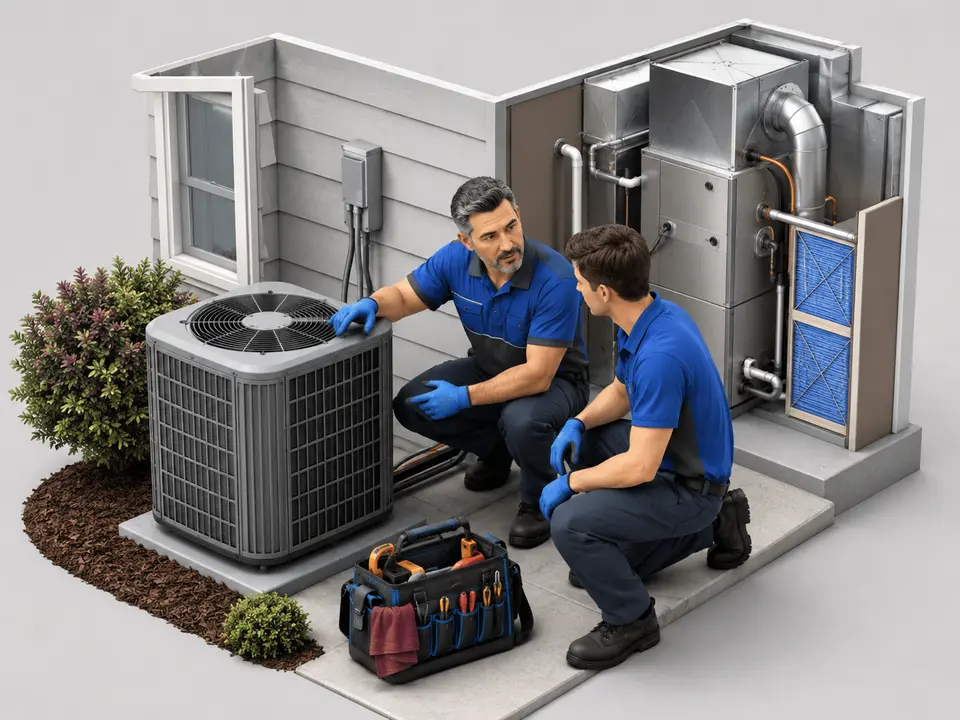
People researching how to become an HVAC technician should start with local requirements. Employers and roles may expect different credentials.
HVAC education requirements often include a high school diploma or equivalent. Technical programs can improve entry-level readiness.
Starting HVAC career plans should include supervised practice. Electrical and refrigerant work can create serious risks. Better safe than sorry.
Read our beginner HVAC guide before comparing training routes. Strong foundations support better choices.
Which HVAC Certifications Matter?
HVAC certification can prove knowledge in a defined area. Certification does not replace field judgment or safe work habits.
EPA Section 608 certification applies when technicians handle regulated refrigerants. The credential requires an approved test.
Review the EPA Section 608 requirements before choosing a test provider. Measure twice and cut once.
An HVAC license may apply to contractors or certain work. Rules differ by state and job scope.
What Skills Help HVAC Technicians Succeed?
HVAC technician skills combine technical knowledge with steady habits. Good workers measure first. They do not guess at expensive parts.
HVAC troubleshooting skills turn symptoms into ordered tests. A diagnostic process works like a road map. It prevents costly detours.
HVAC customer service skills also matter. Homeowners need plain explanations and honest choices. Honesty is the best policy.
HVAC safety training protects the technician and customer. Electrical, ladder, heat, and refrigerant risks require daily attention.
What Is the HVAC Work Environment Like?
The HVAC work environment changes throughout the day. Work may happen indoors, outdoors, on roofs, or inside tight spaces.
HVAC physical demands include lifting, kneeling, climbing, and carrying tools. Good technique protects the body. An ounce of prevention helps.
California heat can make attics and rooftops demanding. Employers must plan safe water, rest, and cooling practices.
Our HVAC parts guide shows where common components sit. Site conditions change how technicians reach them.
HVAC Hours and Schedule Reality
An HVAC work schedule depends on the employer and specialty. Facilities roles may keep regular hours. Residential service can shift daily.
HVAC on call coverage may include nights, weekends, or holidays. Ask how often rotations happen. The early bird catches the worm.
HVAC overtime can raise yearly earnings during busy months. It can also reduce recovery time and family time.
HVAC work life balance improves with fair staffing and honest schedules. Company culture often matters more than the trade name.
Some employers publish rotations weeks ahead. Others call workers with little warning. Ask for a real schedule example.

Is HVAC Hard or Stressful?
Many newcomers ask, is HVAC hard? The trade has a real learning curve. Electricity and refrigeration require careful thinking.
Others ask, is HVAC stressful? Peak heat and urgent calls can raise pressure. Every rose has its thorn.
Training and teamwork make difficult calls manageable. Poor dispatch and weak leadership can make normal problems feel worse.
Read our honest HVAC stress guide for a deeper workload review. The employer changes the experience.
Residential and Commercial Career Paths
A residential HVAC career often includes direct homeowner contact. Technicians may handle several shorter calls each day.
A commercial HVAC career can involve larger systems and longer site visits. Equipment may include packaged units, boilers, or controls.
Neither path is automatically better. Your preferred pace and work setting matter. Different strokes suit different folks.
A broad HVAC career path may cross both markets. Early experience can reveal which work feels most rewarding.
Specialties Can Expand Your Options
HVAC specializations include refrigeration, controls, balancing, commissioning, and system design support. Each specialty adds a new career lane.
A refrigeration technician career may serve stores, restaurants, warehouses, or industrial sites. Some roles include emergency coverage.
An HVAC controls technician works with sensors, programming, and building systems. That path blends mechanical and digital skills.
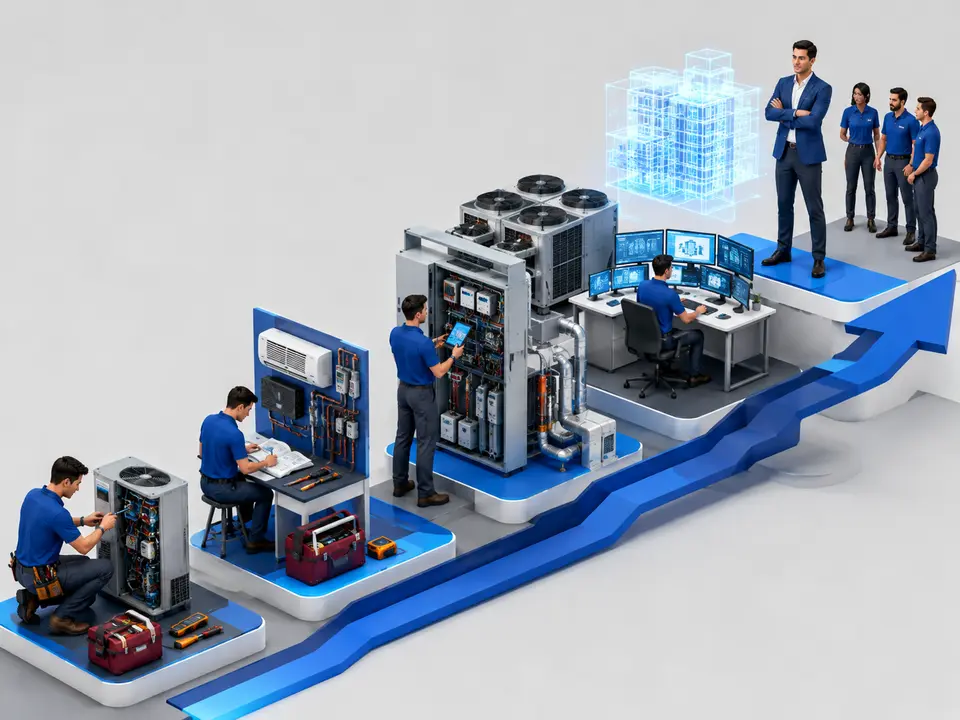
The career ladder resembles a toolbox. Each useful skill adds another tool. Many hands make light work.
Specialists still need strong basics. Airflow and electrical faults can confuse advanced systems. Foundations keep difficult work understandable.
Choose a specialty after seeing several job types. Early exposure prevents a narrow choice based on guesswork.
Can You Advance Beyond Field Service?
HVAC career advancement can lead toward estimating, sales, supervision, training, or ownership. Field knowledge supports every branch.
An HVAC supervisor guides crews and quality. An HVAC service manager also manages schedules, customers, and team support.
An HVAC business owner carries sales, finance, hiring, and legal duties. Technical talent alone cannot run the company.
These HVAC career opportunities reward communication and planning. Rome was not built in a day. Growth takes steady practice.
Are Union or Nonunion Jobs Better?
Union HVAC jobs may offer structured wages, benefits, and apprenticeship steps. Availability depends on location and employer relationships.
Nonunion HVAC jobs vary widely. Some companies provide excellent training and growth. Others offer fewer written career steps.
Compare real offers instead of labels. Review pay, insurance, retirement, tools, training, and schedule rules. The proof is in the pudding.
Talk with current workers when possible. Their daily experience can reveal how written policies work in practice.
Is HVAC Good for a Career Change?
An HVAC career change can work for adults from many backgrounds. Construction, customer service, electronics, and military skills may transfer well.
Age alone does not decide success. Physical readiness, study time, and financial planning matter more. Where there is a will, there is a way.
New workers should expect beginner status. Pride should not block questions. Safe learning beats rushed independence.
Build a realistic budget for training and starting wages. A clear plan protects your household during the transition.
Family support can also shape the decision. Discuss evening study and possible overtime before training begins.
Small sacrifices feel easier with a shared plan. Many hands make light work at home too.
What Are the Main HVAC Career Benefits?
HVAC career benefits include useful skills, varied work, local demand, and several advancement routes. Results are often visible immediately.
HVAC career satisfaction can grow from restoring comfort. Customers feel real relief when a failed system works again.
Experienced technicians may gain more choice over specialty and employer. A good reputation also creates stronger opportunities. Good work speaks for itself.
The HVAC career future will include efficient equipment, heat pumps, controls, and changing refrigerants. Continued learning keeps skills useful.
What Are the Career Drawbacks?
HVAC career drawbacks include heat, physical strain, seasonal overtime, and safety risks. Some customers may also feel frustrated.
HVAC career pros and cons should be weighed together. Strong demand does not erase difficult work conditions. Eyes wide open.
Your experience depends heavily on the employer. Training, dispatch, staffing, and leadership shape every week.
Our contractor selection guide shows customer-facing quality signals. Those same signals often reflect organized workplaces.
Is California a Good Place for an HVAC Career?
A California HVAC career can span cool coasts, hot valleys, deserts, and mountain climates. That variety supports many equipment types.
California HVAC jobs also serve homes, technology sites, farms, schools, hospitals, and large commercial buildings. Know the lay of the land.
An HVAC technician California role may require long travel in some regions. Dense cities create different routing and access problems.
Compare local wages with housing and travel costs. A strong offer must work in your real budget.
California buildings also span many ages and designs. Older homes can create access problems. New sites may use advanced controls.
Climate differences create useful learning opportunities. Coastal moisture and inland heat can demand different service judgment.
Final Answer: Is HVAC a Good Career?
HVAC can be a strong choice for practical learners who value useful work. Demand, skill growth, and career variety create a solid base.
The best HVAC career path depends on your strengths. Service, installation, refrigeration, controls, and leadership reward different talents.
Choose training carefully. Compare employers with equal care. Measure twice and cut once.
No career removes every hard day. A good fit creates pride, belonging, and room to grow. That can make HVAC worthwhile.
Spend time with working technicians before enrolling. Ask what surprised them most. Firsthand detail beats a glossy advertisement.
Try a short job shadow when one becomes available. Watch the pace, questions, and physical tasks. Real exposure can confirm your interest before a larger commitment.