Yes, HVAC can feel stressful, especially during hot California summers. The work combines urgent problems, tight schedules, and physical effort.
However, one shop can feel very different from another. Training, staffing, dispatch, and leadership shape the daily pressure. Forewarned is forearmed.
This guide explains is HVAC a stressful job without sugarcoating the trade. You will see the pressure points and practical ways to manage them.
Why Can HVAC Work Feel Stressful?
HVAC job stress often starts with urgency. Customers may lose cooling during dangerous heat. Their worry can raise the temperature of every conversation.
An HVAC service technician must diagnose problems quickly. The answer is not always obvious. The devil is in the details.
HVAC technician stress also grows when schedules run late. One difficult repair can push every later appointment. Good communication keeps that domino line from falling.
Still, pressure does not define every day. Planned maintenance usually feels calmer. Installation teams may also follow steadier project schedules.
What Does a Normal HVAC Workday Look Like?
Working in HVAC rarely means sitting in one place. Technicians travel between homes, rooftops, shops, and equipment rooms. Variety is the spice of life.
A residential HVAC technician often meets several homeowners daily. A commercial HVAC technician may spend longer at one large site.
The HVAC work environment changes by assignment. Some calls happen indoors. Others involve ladders, tight spaces, noise, dust, or direct sunlight.
An HVAC installer may work with a crew all day. Service workers often handle calls alone. Each path carries a different kind of pressure.
Summer Busy Season Raises Pressure
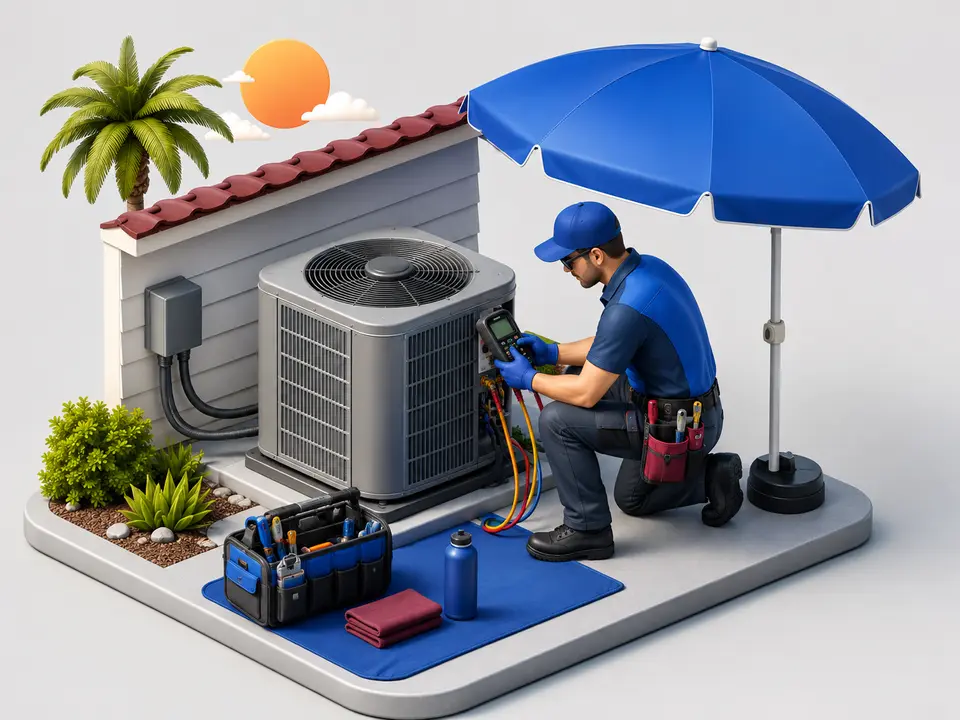
HVAC busy season usually arrives with the hottest weather. Air conditioners run longer. Breakdowns often arrive in waves.
The summer HVAC workload can fill schedules quickly. Technicians may face back-to-back calls. When it rains, it pours.
Emergency HVAC repair adds more urgency. Families may include children, older adults, or people with health concerns. Clear priorities help teams serve fairly.
Well-run companies plan for seasonal demand. They add coverage, stock common parts, and set honest arrival windows. Preparation turns chaos into a workable queue.
The HVAC technician workload should still have safe limits. Extra calls cannot erase travel time or careful testing. A full calendar needs breathing room.
Long and Unpredictable HVAC Hours
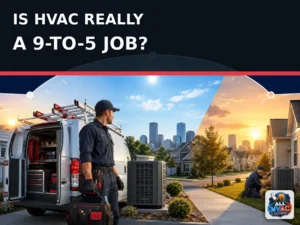
HVAC technician hours depend on the company and role. Maintenance crews may keep regular days. Service teams often handle changing finish times.
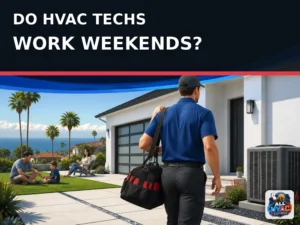
An HVAC on call schedule can include evenings or weekends. HVAC weekend work is common during peak heat. Every rose has its thorn.
Some shops use rotating coverage for HVAC night shifts. Others limit emergency service after set hours. Ask about these rules before accepting an offer.
HVAC overtime can increase income. It can also cut recovery time. Fair HVAC on call pay should match the added disruption.

Physical Demands and Technician Lifestyle
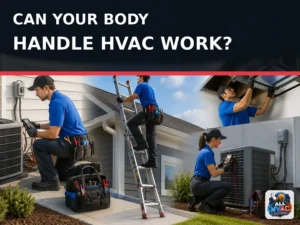
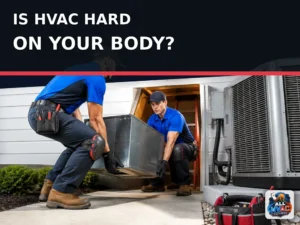
HVAC physical demands include lifting, kneeling, climbing, reaching, and carrying tools. Some tasks happen in awkward spaces. A chain is only as strong as its weakest link.
Rooftop HVAC work adds sun, wind, and ladder risks. Attics can become extremely hot. Safe pace matters more than rushed pride.
Working in hot weather requires water, rest, shade, and gradual heat adjustment. California employers must follow heat protection rules.
HVAC heat stress can affect judgment before a worker notices danger. Buddy checks help teams spot early warning signs. An ounce of prevention saves trouble.
Cal/OSHA explains current heat illness prevention requirements. Good employers build those rules into daily planning.
Troubleshooting Requires Mental Focus
HVAC mental demands can feel like solving puzzles under a clock. Systems combine electricity, airflow, controls, and refrigeration. Two faults may create one symptom.
HVAC troubleshooting works best through a repeatable process. Guessing wastes time and parts. Slow is smooth, and smooth is fast.
Strong HVAC technician skills include measurement, note taking, and clear reasoning. A meter reading should guide the next test.
Experience reduces panic. Familiar patterns become easier to spot. Difficult calls still appear, but a solid process keeps them manageable.
Customers Can Add Pressure
HVAC service calls happen when comfort has already failed. A hot home can make anyone impatient. That does not excuse disrespectful behavior.
Customer service stress drops when technicians set clear expectations. Explain the test, the finding, and the next choice. Honesty is the best policy.
Technicians should not promise uncertain completion times. Parts may be unavailable. Repairs can reveal deeper damage after work begins.
A calm explanation builds trust. Customers usually want control and clarity. Simple choices can turn conflict into teamwork.
Dispatch Can Make a Job Harder
HVAC dispatch shapes the entire workday. Unrealistic routes waste time and fuel. Vague job notes also send technicians into calls unprepared.
A practical HVAC schedule includes travel, diagnosis, and customer questions. It also leaves room for surprises. Measure twice and cut once.
A supportive HVAC service manager protects quality. Good managers help with technical questions and difficult calls. They do not reward unsafe rushing.
Strong dispatchers match skills with job types. They also update customers early. That support lets technicians focus on the equipment.
How Important Is HVAC Company Culture?
HVAC company culture can make the same trade feel calm or exhausting. Respectful leaders listen. Poor leaders treat every delay like failure.
A good HVAC employer provides training, working vehicles, and realistic workloads. Proper HVAC tools also prevent avoidable frustration. You get what you pay for.
A reliable HVAC team shares knowledge without shame. New technicians can ask questions. Experienced workers can request help on heavy tasks.
During interviews, ask how the company handles callbacks. Ask who helps after difficult diagnoses. Those answers reveal more than a polished job ad.
Is HVAC Safety a Major Source of Stress?
HVAC safety deserves serious attention. Technicians work near electricity, moving parts, refrigerants, ladders, and heat. Shortcuts can create lasting harm.
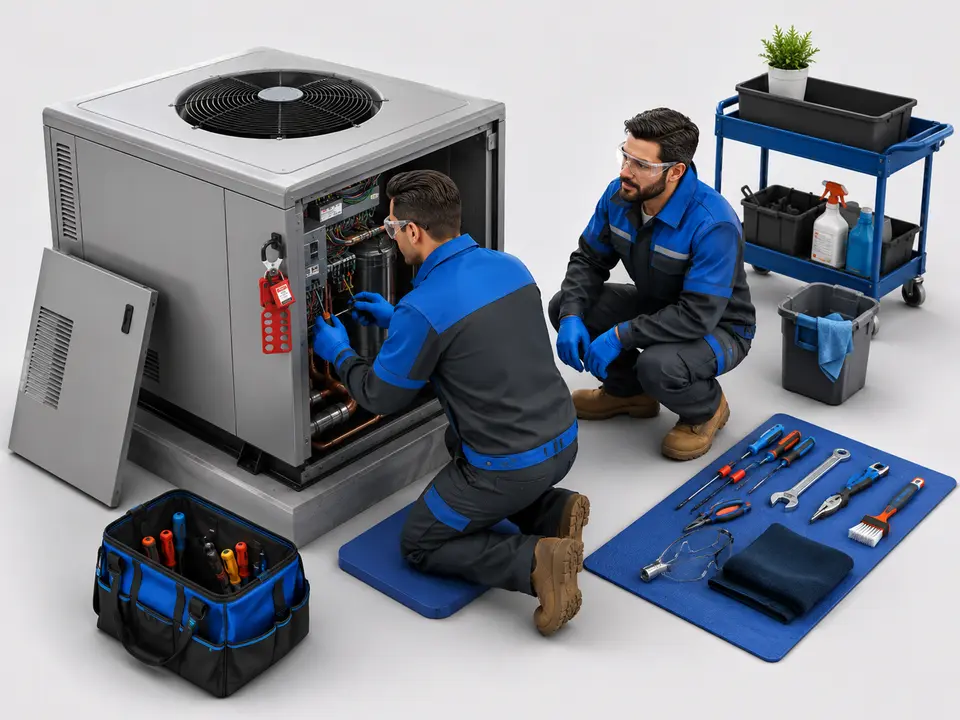
Good HVAC safety training builds calm habits. Lockout steps and protective gear reduce uncertainty. Better safe than sorry.
Heat illness prevention matters across California. Water and rest are basic work controls. New workers also need time to adjust.
Strong safety systems protect careers, families, and coworkers. They also give technicians permission to stop unsafe work. An ounce of prevention saves trouble.
Can Training Lower HVAC Technician Burnout?
HVAC technician burnout grows when demands exceed support for too long. Training cannot fix bad leadership. It can reduce avoidable uncertainty.
HVAC training gives technicians tested methods and safer habits. An HVAC apprenticeship adds guided field practice. Practice makes perfect.
New workers need permission to learn. They should not carry expert-level responsibility immediately. Steady coaching builds both skill and confidence.
Our HVAC beginner guide explains the trade’s main systems. The system operation guide shows how the parts cooperate.
How Can Technicians Manage Stress Better?
Stress management for HVAC technicians starts before the first call. Sleep, food, water, and equipment checks create a steadier baseline.
Time management for HVAC technicians means protecting diagnostic order. Record readings before changing parts. Haste makes waste.
Take short pauses after difficult calls. Reset notes and tools before driving. A small routine prevents one problem from following you.
Speak up when fatigue threatens safety. Good leaders would rather move a call. No repair is worth a crash or injury.
Does HVAC Offer Work-Life Balance?
HVAC work life balance varies widely. School maintenance, facilities work, and some commercial roles can offer regular schedules.
Residential service may bring more seasonal overtime. Installation projects may begin early. Different strokes work for different folks.
The HVAC technician lifestyle suits people who enjoy movement and practical wins. It may frustrate workers who need fixed daily endings.
Ask about rotations, average weekly hours, and vacation rules. Clear facts protect home life. They also support better career choices.
Is HVAC a Good Career Despite the Pressure?
Many readers ask, is HVAC a good career? It can be rewarding for people who enjoy useful work. Every repaired system brings visible relief.
The national HVAC job outlook remains strong. Federal data projects faster-than-average growth through 2035. A rising tide lifts all boats.
Read the BLS HVAC career profile. It covers duties, education, pay, and current projections.
HVAC job security also comes from ongoing repair needs. Buildings keep using climate systems. Those systems still need skilled care.
What About Pay, Benefits, and Career Growth?
HVAC technician pay changes by experience, specialty, location, and schedule. Overtime can raise earnings. It should not replace a healthy base wage.
HVAC technician benefits may include insurance, retirement plans, paid training, or tool support. The whole package matters. Do not count your chickens before they hatch.
HVAC career growth can lead toward controls, estimating, supervision, sales, or business ownership. Specialized knowledge may also increase options.
Compare compensation and workload together. A larger check may include longer on-call hours. The right deal supports both money and life.
Are California HVAC Jobs More Stressful?
California HVAC jobs face sharp climate differences. Coastal work may stay mild. Inland valleys and deserts bring intense summer demand.
A California HVAC technician may serve many building types. Local codes, traffic, and long routes can add pressure. Know the lay of the land.
Heat rules create important worker protections. Companies must plan for water, shade, rest, and training. Good planning supports safer service.
Our AC repair service page shows common cooling emergencies. Real repair needs explain why peak demand can feel urgent.
What Are the Main HVAC Career Pros and Cons?
HVAC career pros and cons depend on your goals. The work offers variety, useful skills, and clear results. It also brings heat and urgency.
People often ask, is HVAC hard? The learning curve is real. Many hands make light work when training and teamwork are strong.
- Pros: practical work, visible results, career paths, and steady public need.
- Cons: physical strain, seasonal overtime, safety risks, and difficult customers.
- Best fit: curious people who stay calm and enjoy solving real problems.
HVAC job satisfaction often comes from restoring comfort. Pride grows when families trust your work. That feeling can outweigh a difficult call.

How Should You Evaluate an HVAC Job Offer?
Strong HVAC career advice begins with questions. Ask about workload, training, safety, pay, and call rotation. The proof is in the pudding.
Request examples from peak season. Learn how dispatch handles late calls. Ask whether technicians receive paid training and working equipment.
Notice how employees speak with each other. A respectful shop usually shows it quickly. A tense shop cannot hide forever.
Review our contractor selection guide for service standards. Many customer trust signals also reveal good workplaces.
Ask how many calls technicians finish during mild and peak weeks. Learn who approves overtime. Do not buy a pig in a poke.
Request the written on-call policy before accepting the role. Check response times, pay rules, and backup coverage. Clear terms prevent later arguments.
Look at the service vehicles and shop organization. Neglected equipment can signal deeper problems. Pride in the workplace often supports pride in each repair.
Final Answer: Is HVAC a Stressful Job?
HVAC career stress is real, but it is not constant. Peak heat, urgent repairs, and poor management can raise pressure quickly.
A healthy company changes the experience. Training, fair scheduling, safe practices, and teamwork make difficult days manageable. Where there is a will, there is a way.
Some weeks will still test your patience. Strong routines help you recover without carrying every call home. Trusted coworkers also make hard days feel less lonely.
Your fit matters too. Honest self-awareness is worth its weight in gold. Choose work that matches your pace, strengths, and goals.
A strong HVAC technician career can offer pride, useful skills, and steady growth. Choose the employer as carefully as the trade.
Want to understand the equipment behind the work? Explore our HVAC parts guide. Better knowledge creates calmer decisions.