HVAC is a demanding career, but most skills become manageable through steady training. The trade combines physical work, technical thinking, safety, and customer care.
Beginners don’t need perfect knowledge on day one. They need patience and reliable habits. Rome wasn’t built in a day.
This guide answers is HVAC a hard career with honest detail. You’ll see the learning curve and practical ways to handle it.
Difficulty isn’t always a warning. Some people find hard, useful work more satisfying than an easy routine.
Why Is HVAC Considered a Hard Trade?
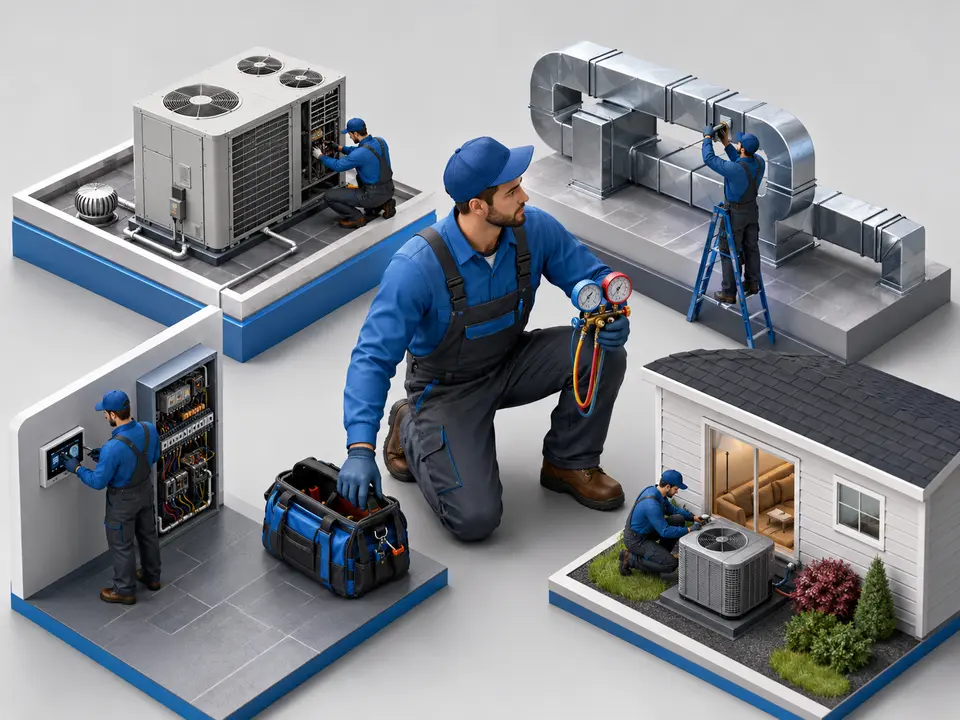
HVAC career difficulty comes from combining several skill sets. Technicians work with electricity, airflow, controls, combustion, and refrigeration.
HVAC trade difficulty also changes by job. Maintenance may feel orderly. Emergency diagnosis can add heat and time pressure.
HVAC technician challenges include changing locations and equipment. A familiar symptom may have a different cause. The devil is in the details.
HVAC learning curve feels steep at first. Repeated measurements slowly turn complex systems into recognizable patterns.
The trade resembles learning a language. Parts and readings become words. Diagnosis becomes a clear conversation with the system.
Safety adds another layer to every skill. Workers must understand hazards before speed. Careful order turns difficult work into controlled work.
Weather and travel also change the day. A simple part replacement can become harder inside a tight, hot space.
How Much Technical Knowledge Does HVAC Require?
HVAC technical skills cover electrical testing, airflow, temperature, pressure, and control signals. Each reading should guide the next step.
HVAC electrical knowledge helps technicians understand motors, relays, capacitors, and circuits. Safe verification matters more than speed.
HVAC refrigeration knowledge explains heat movement through refrigerant. Pressures alone never tell the entire story. Knowledge is power.
HVAC airflow knowledge connects filters, ducts, blowers, and comfort. Our HVAC system guide explains that full cycle.
Technicians don’t memorize every answer. They learn how to find evidence, follow diagrams, and test ideas safely.
Service manuals and wiring diagrams become daily partners. Reading them takes practice. Strong technicians verify model details before acting.
Is HVAC School Hard?
HVAC school difficulty depends on program pace and student preparation. Fast programs can place several new subjects together.
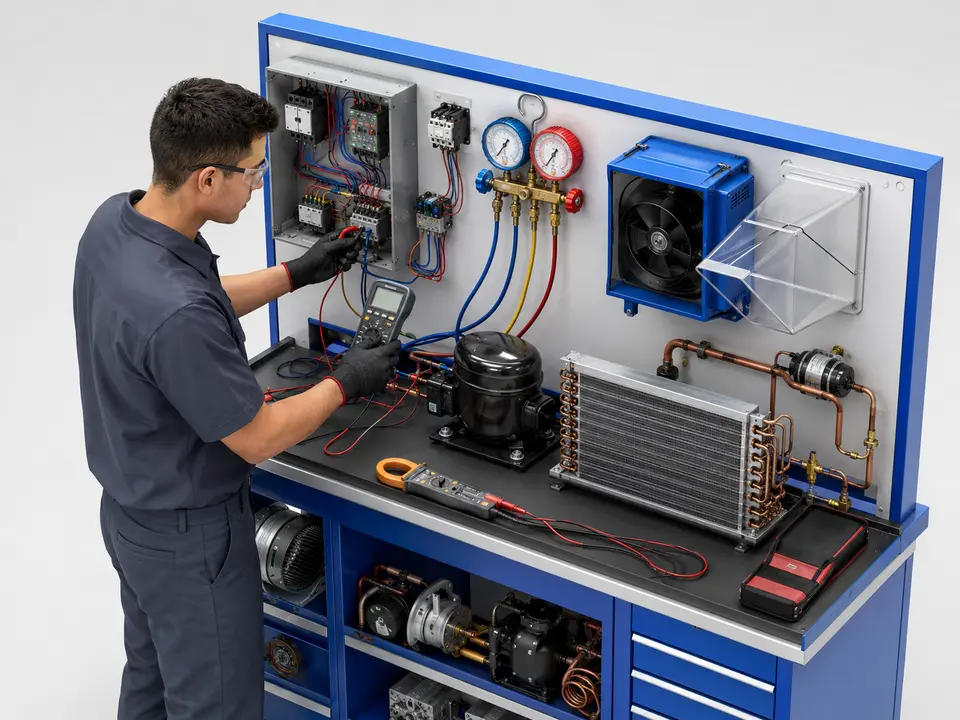
HVAC classroom training covers theory, diagrams, safety, and calculations. Students also need lab time with real equipment.
HVAC hands-on training makes written ideas easier to remember. Practice makes perfect. Mistakes belong in supervised learning spaces.
HVAC trade school success needs steady attendance and review. Cramming cannot replace repeated tool use.
Ask programs about lab hours and instructor access. A strong schedule gives learners time to struggle safely.
Study groups can make hard topics easier. Explaining a circuit to another student often exposes missing knowledge.
Does HVAC Require a Lot of Math?
HVAC math skills usually involve basic arithmetic, fractions, measurements, and simple formulas. Most technicians use calculators and reference tools.
HVAC formulas help with airflow, temperature change, electrical power, and capacity. Understanding the inputs matters more than mental speed.
HVAC load calculations require careful building details. Guessing by square footage can create poor sizing. Measure twice and cut once.
HVAC electrical calculations support safe testing and diagnosis. Workers must understand units before trusting the result.
Math anxiety can shrink with practice. Real equipment gives each number a purpose and makes lessons feel less abstract.
Writing units beside answers prevents confusion. A correct number with the wrong unit can still guide a bad decision.
How Physical Is an HVAC Career?
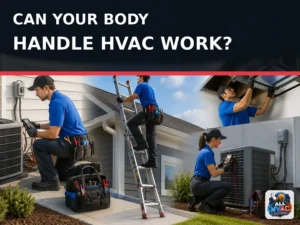
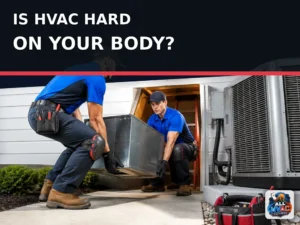
HVAC physical demands include lifting, carrying, kneeling, climbing, crawling, and reaching. Work positions change during each call.
HVAC heavy lifting should involve team lifts or handling equipment. Pride shouldn’t replace a cart. Many hands make light work.
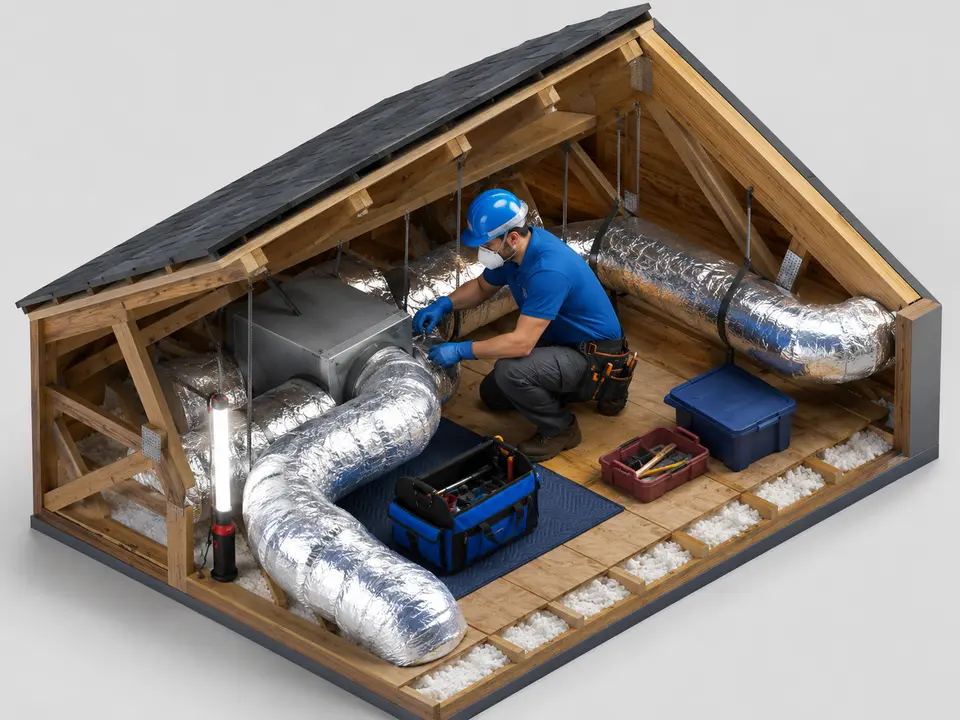
HVAC attic work can bring heat, dust, and tight access. Technicians must pace themselves and know when conditions become unsafe.
HVAC rooftop work adds ladders, weather, and fall exposure. Our HVAC safety guide covers those controls.
Body care extends beyond the shift. Sleep, hydration, strength, and early injury care support a longer career.
Proper tools also reduce strain. A lift, cart, or kneeling pad can save energy for careful thinking.
Is HVAC Troubleshooting Mentally Hard?
HVAC troubleshooting difficulty rises when several faults share one symptom. A weak motor and poor airflow may look similar.
HVAC diagnostic process keeps testing organized. Technicians confirm the complaint, inspect conditions, measure, and compare.
HVAC problem solving works like a road map. Each result closes one path and opens another. Slow is smooth, and smooth is fast.
Complex HVAC systems may include communicating controls and multiple stages. Good notes prevent technicians from circling the same test.
Hard calls become lessons when teams review them. Shame blocks learning. Curiosity turns confusion into future confidence.
Senior help shouldn’t feel like failure. Asking early can protect equipment and customer trust. Good teams solve problems together.
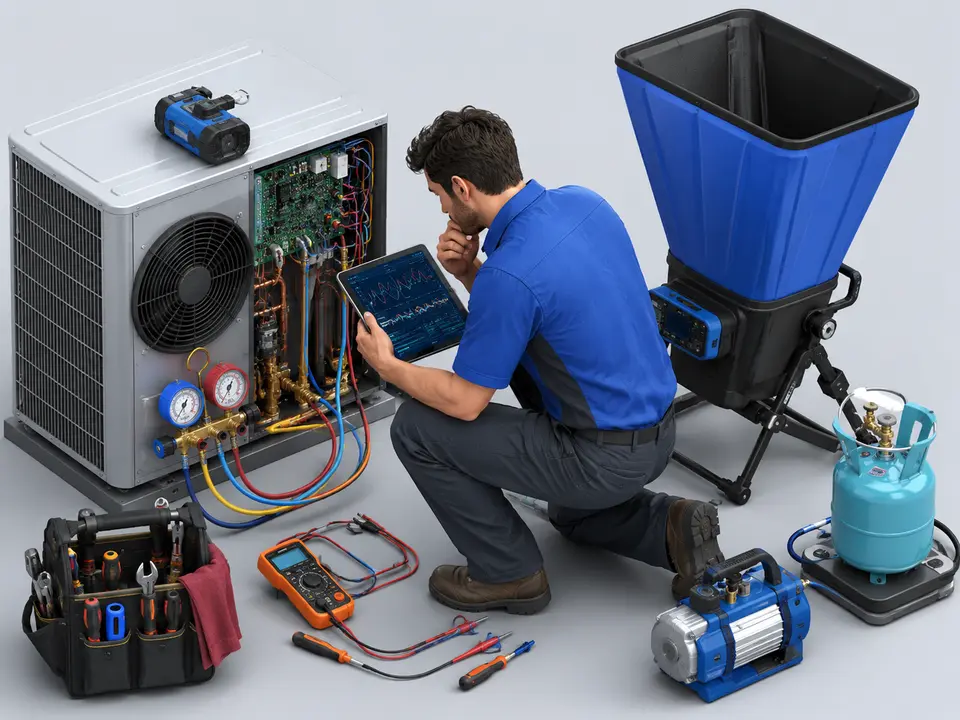
Are HVAC Customers Difficult to Handle?
HVAC customer service skills matter because failures create stress. Homeowners may feel hot, worried, or frustrated before arrival.
HVAC communication skills turn test results into plain choices. Customers need the finding, cost, and next step.
Difficult HVAC customers shouldn’t control safe decisions. Calm boundaries and manager support protect technicians. Honesty is the best policy.
HVAC sales pressure can make work harder when goals fight honest service. Strong employers reward correct advice.
Our contractor selection guide shows the clear communication customers should expect.
Writing simple options can prevent confusion. Customers feel calmer when they understand timing, risk, and price.
Are the Hours Hard on Family Life?
HVAC technician hours can change during peak weather. Service teams may work late when calls stack up.
HVAC on call schedule duties may include nights, weekends, or holidays. Workers should ask how rotations operate.
HVAC seasonal overtime can raise income and fatigue together. When it rains, it pours.
HVAC work life balance depends heavily on staffing and leadership. Published rotations help families plan.
The BLS HVAC profile notes varied shifts and emergency coverage. Compare that reality with each employer’s written policy.
Schedule difficulty isn’t fixed across the trade. School districts and facilities teams may offer steadier hours than emergency service.
How Hard Is Starting an HVAC Career?
Entry level HVAC work can feel awkward because simple tasks are still unfamiliar. Beginners often move slower than experienced crews.
HVAC apprentice challenges include learning tools, terminology, jobsite manners, and safe work order. Every day adds another layer.
First year HVAC technician progress should focus on repeatable basics. Small wins build a solid foundation. Crawl before you walk.
Starting HVAC career plans need a realistic budget. Entry pay may sit below experienced rates while skill grows.
A good mentor protects both confidence and safety. Questions should lead to guidance, not ridicule.
New technicians also need enough time per call. Unrealistic speed creates callbacks and hides weak fundamentals.
Progress feels uneven during the first year. Some weeks bring confidence. One unusual system can make a learner feel new again.
How Long Does HVAC Take to Learn?
Learning HVAC happens in stages. A short program can teach foundations, but field judgment takes repeated experience.
HVAC training time varies by school, apprenticeship, and specialty. No single finish line covers the entire trade.
HVAC apprenticeship length often reflects structured skill steps. Workers earn while learning under supervision. Rome wasn’t built in a day.
HVAC career development continues after qualification. New equipment and rules keep experienced technicians learning.
EPA requires approved testing for technicians handling regulated refrigerants. Review the Section 608 certification rules.
Learning continues through mistakes and new equipment. Strong workers record what happened. That habit turns one difficult call into lasting value.
What Skills Make HVAC Easier?
HVAC study habits improve recall when learners review small amounts often. Flash cards and diagrams can support hands-on practice.
HVAC tool skills grow through correct repetition. Workers should understand both the reading and the tool’s limits.
HVAC time management means protecting the diagnostic order. Rushing creates callbacks and stress. Haste makes waste.
HVAC attention to detail catches loose wires, dirty components, and incorrect settings. Small clues often solve expensive problems.
Our HVAC parts guide can help beginners connect names with system roles.
Communication and organization count as technical support skills. A clean truck and clear notes save time before testing starts.
Does HVAC Get Easier With Experience?
HVAC experience turns repeated patterns into faster recognition. Veterans still verify findings before recommending parts.
Experienced HVAC technician judgment includes knowing when to pause. Confidence isn’t the same as guessing.
HVAC career confidence grows after handling difficult seasons and calls. Practice makes perfect, but curiosity keeps skill sharp.
HVAC skill progression can lead from maintenance toward service, controls, refrigeration, or leadership.
The work may not become easy. Workers become more capable. That difference creates pride without hiding risk.
Experience also teaches limits. Skilled technicians know when specialized help is needed. That judgment protects everyone.
Which HVAC Jobs Feel Less Physically Demanding?
HVAC career paths include field service, installation, controls, estimating, sales, teaching, and management.
HVAC controls technician work may involve more laptops and sensors. Site access and equipment checks still remain.
HVAC estimator career tasks focus on plans, scope, pricing, and customer needs. Field knowledge improves accuracy.
HVAC instructor career work turns experience into student growth. Different strokes suit different folks.
Role changes can support an aging body. A career doesn’t need one daily pattern forever.
Commercial maintenance may offer predictable site routines. Sales and estimating reduce tool time but add communication pressure.
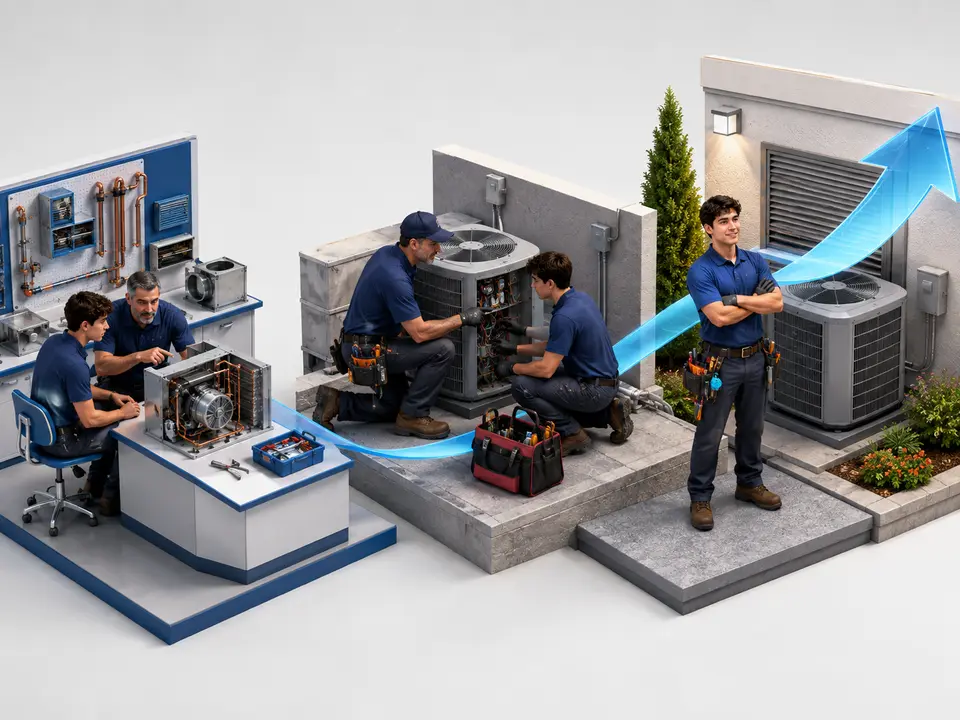
Is HVAC Harder Than Other Trades?
HVAC versus electrician difficulty depends on personal strengths. HVAC combines mechanical systems with meaningful electrical work.
HVAC versus plumbing difficulty also changes by role. Both trades involve physical work, codes, diagnosis, and customers.
HVAC versus automotive difficulty compares building systems with vehicles. Each requires tools, testing, and constant learning.
Hardest skilled trades lists hide workplace differences. The proof is in the pudding. Try real exposure before choosing.
Our HVAC career guide explains pay, demand, advancement, and broader fit.
Who Should Avoid an HVAC Career?
HVAC career fit may be poor for people who dislike changing conditions. Most field roles cannot promise one climate or location.
HVAC physical requirements may also conflict with certain health limits. Candidates should seek medical guidance when needed.
HVAC safety responsibility requires following steps even when nobody watches. Better safe than sorry.
HVAC career expectations should include continued learning and customer contact. Some related roles may reduce either demand.
Honest self-awareness prevents a costly mismatch. It can also point toward controls, design, or office-based paths.
Try a job shadow before enrolling. Watch the physical pace, customer contact, and cleanup. Real exposure beats assumptions.
Final Answer: Is HVAC a Hard Career?
HVAC is hard because it asks the body and brain to work together. The difficulty becomes manageable with support.
Hard HVAC career days will still happen. Heat, hidden faults, and schedule pressure can test patience.
HVAC career success grows through safe habits, good mentors, and steady practice. An ounce of prevention helps.
HVAC career rewards include useful skill, visible results, and several paths forward. Challenge can become confidence over time.
Choose the employer as carefully as the trade. A supportive shop turns hard lessons into lasting ability and belonging.
The best question isn’t whether HVAC feels easy. Ask whether its challenges match your strengths and goals.
Visit several workplaces before deciding. Culture changes the difficulty. A patient team can turn pressure into steady growth.