HVAC can be a happy job for people who enjoy practical wins and useful work. Technicians solve real problems and see relief quickly.
Happiness still depends on the employer, role, schedule, and personal fit. Every rose has its thorn.
This guide answers is HVAC a happy job without pretending every day feels easy. You’ll see what creates pride and what drains it.
No survey can choose your career. Honest details can help you recognize the workplace where you’ll thrive.
What Makes HVAC Work Feel Rewarding?
HVAC job satisfaction often starts with visible results. A silent furnace runs again. A hot home becomes safe and comfortable.
An HVAC technician career creates small wins throughout the week. Each correct diagnosis feels like solving a useful puzzle. Good work speaks for itself.
Meaningful HVAC work helps families, schools, hospitals, and businesses. Technicians can point to a finished repair with real pride.
HVAC career happiness grows when effort creates a clear outcome. That link between skill and relief feels honest and satisfying.
The work isn’t abstract. Temperatures change, systems restart, and customers notice. That direct feedback can keep motivation strong.
Preventive work creates quieter satisfaction too. A careful tune-up may stop a breakdown before a family ever feels it.
Do HVAC Technicians Enjoy Their Daily Work?
HVAC technician happiness varies because daily jobs vary. Some people love movement and surprise. Others prefer steady routines.
Daily HVAC work may include maintenance, repairs, installation, controls, or refrigeration. Variety is the spice of life.
An HVAC service technician often enjoys diagnosis and customer contact. An HVAC installer may prefer teamwork and visible construction progress.
HVAC maintenance work usually follows a calmer rhythm. Planned inspections can suit workers who value order and prevention.
Could the same task please every person? Of course not. The right specialty often matters more than the trade label.
Some technicians enjoy working alone. Others need crew energy. Employers with several departments may offer room to explore.
Does Solving Problems Build Career Pride?
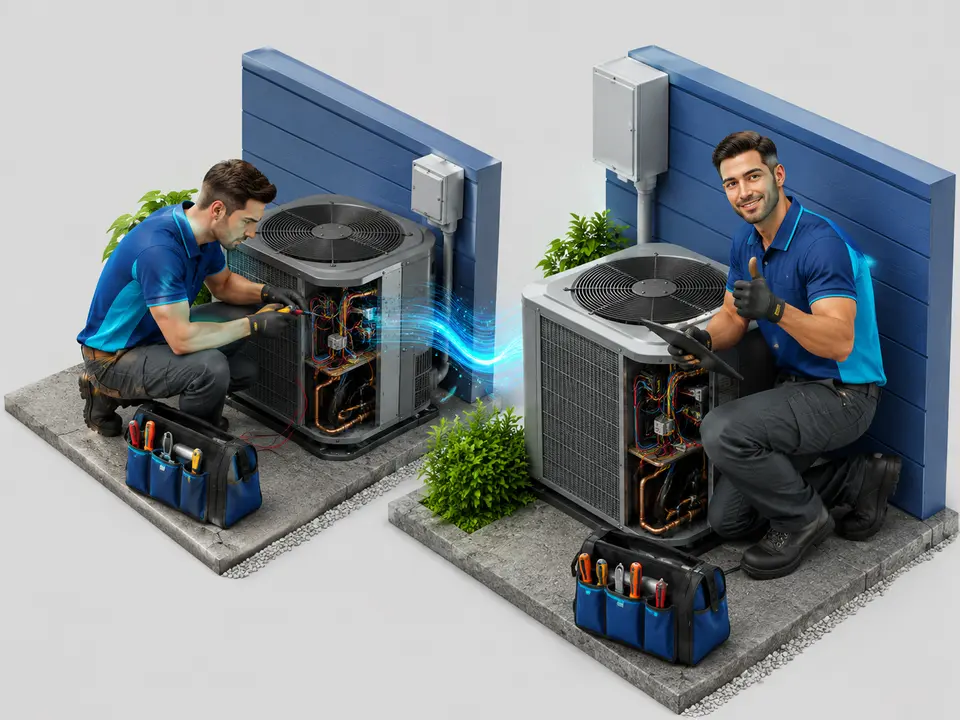
HVAC troubleshooting asks workers to gather clues and test ideas. The system behaves like a puzzle with measurable answers.
HVAC problem solving rewards patience more than guessing. A correct reading guides the next step. Slow is smooth, and smooth is fast.
HVAC diagnostic skills grow through practice and careful notes. Difficult calls become less frightening when a process feels familiar.
HVAC career pride appears when knowledge prevents waste. Finding one loose connection can save a customer from buying equipment.
Technicians also learn from strange failures. A hard call can become tomorrow’s useful story. Experience adds tools to the mental toolbox.
Documenting the fix protects that learning. Strong notes help coworkers and future visits. Teaching the solution can deepen personal confidence.
How Much Does Customer Gratitude Matter?
HVAC customer service brings technicians into stressful moments. Customers may feel hot, worried, or confused when equipment fails.
Helping homeowners can still create strong satisfaction. A calm explanation restores some control before the repair ends.
Customer appreciation feels meaningful after difficult work. A simple thank-you can brighten a long afternoon. Kindness costs nothing.
HVAC service relationships grow through honest advice and clean work. Repeat customers often remember the technician who treated them fairly.
Our contractor selection guide explains those trust signals from the customer’s view.
Not every customer will feel grateful. Clear boundaries protect technicians from unfair behavior. Supportive managers should handle abusive situations promptly.
Does Teamwork Make HVAC More Enjoyable?
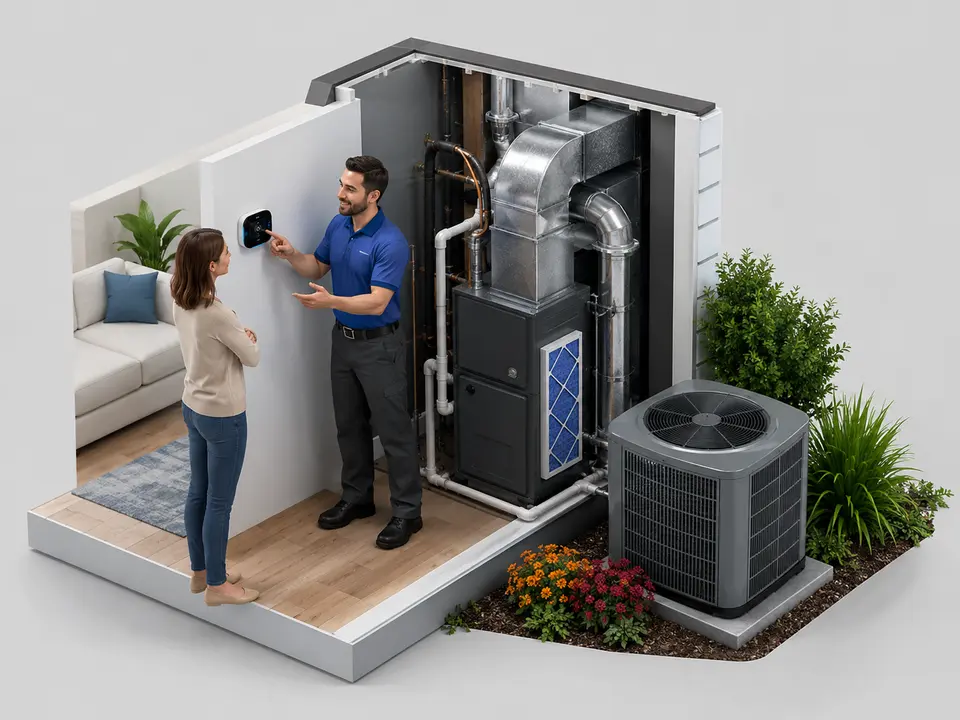
HVAC teamwork can turn heavy or complex work into a shared win. Installation crews depend on clear timing and communication.
A supportive HVAC team culture makes questions safe. New workers learn faster when experienced technicians explain their thinking.
HVAC coworker support also matters during difficult calls. One phone conversation can prevent hours of frustration. Many hands make light work.
HVAC mentorship builds both skill and belonging. Good mentors correct mistakes without humiliating learners.
Strong crews celebrate clean work, not rushed shortcuts. Shared standards give each person a reason to care.
Team trust matters during heavy lifts and difficult startups. Everyone knows their role. That rhythm feels like a band playing together.
Can HVAC Work Become Stressful or Unhappy?
HVAC job stress rises during extreme weather. Calls arrive quickly, customers worry, and schedules may stretch.
HVAC technician burnout can develop when overload becomes normal. Poor staffing and weak support make matters worse. When it rains, it pours.
HVAC career stress isn’t equal everywhere. One company may plan carefully. Another may reward unsafe speed.
Unhappy HVAC technician experiences often point toward workplace problems. Our HVAC stress guide covers those warning signs.
A tough season doesn’t always require leaving the trade. Changing roles or employers can change the entire experience.
Early signs include constant dread, poor sleep, and emotional distance. Workers should discuss workload before those feelings become permanent.
Does Schedule Control Affect HVAC Happiness?
HVAC work schedule varies by role and employer. Facilities jobs may follow regular shifts. Residential service can finish unpredictably.
HVAC work life balance improves with honest staffing and planned rotations. Clear expectations help families plan. Forewarned is forearmed.
HVAC on call duties may include evenings, weekends, or holidays. Workers should know the rotation before accepting an offer.
HVAC overtime can increase income during busy seasons. It can also reduce sleep, hobbies, and family time.
Federal data notes varied shifts and emergency coverage. Review the BLS HVAC career profile for current details.
Predictability can matter more than perfect hours. A known weekend rotation lets workers plan. Surprise calls create harder home conversations.

Do Pay and Benefits Improve Job Satisfaction?
HVAC technician pay influences happiness, but hourly wages tell only part. Benefits, training, travel, and tool support also matter.
HVAC career benefits may include health coverage, retirement, paid leave, and certifications. Don’t count your chickens before they hatch.
HVAC job security can reduce financial worry. Buildings need service, maintenance, and replacement across changing economic cycles.
HVAC career growth also supports motivation. Workers can move into controls, refrigeration, estimating, sales, training, or leadership.
A fair paycheck feels better when workloads stay reasonable. Money shouldn’t hide poor treatment or constant exhaustion.
Recognition also matters beyond pay. Specific praise shows that leaders notice quality. Empty slogans cannot replace fair decisions.
Does Learning Keep HVAC Work Interesting?
HVAC skill development never truly ends. Equipment, controls, codes, and refrigerants continue changing.
HVAC continuing education helps technicians stay confident. New knowledge can reopen a job that once felt repetitive. Knowledge is power.
An HVAC apprenticeship builds early habits through supervised practice. Good training turns confusing diagrams into understandable systems.
HVAC certification can mark progress in a chosen area. Our HVAC beginner guide explains the trade’s foundation.
O*NET lists current tasks and work traits for the occupation. See the official HVAC occupation summary.
Employers can support learning with paid classes and lab time. Growth feels better when workers aren’t forced to study exhausted.
Which HVAC Roles Often Feel Happiest?
Residential HVAC career work suits people who enjoy customers and varied calls. Each home brings a different problem.
Commercial HVAC career roles may involve larger systems and longer site visits. Some workers prefer that deeper focus.
HVAC controls career work blends mechanical knowledge with software and sensors. It can suit careful digital problem solvers.
Refrigeration technician career work supports stores, restaurants, and facilities. Emergency coverage may be part of the deal.
The happiest role matches personal strengths. Different strokes suit different folks. A job shadow can reveal more than a brochure.
Some technicians later move into teaching or management. Career variety helps people stay in the field while changing daily demands.
Does the Employer Matter More Than the Trade?
HVAC company culture shapes almost every workday. Respectful leaders plan workloads and listen when technicians raise concerns.
A strong HVAC employer provides working tools, safe vehicles, and useful training. You get what you pay for.
HVAC employee satisfaction drops when sales pressure replaces honest service. Technicians want goals they can respect.
HVAC workplace happiness grows when teams share credit and fix mistakes. Blame makes people hide problems.
Ask current workers how managers handle callbacks and late calls. Their answers reveal the real culture quickly.
Look for low turnover and honest reviews of mistakes. Stable teams often share deeper knowledge. Constant departures create repeated stress.
What Personality Fits a Happy HVAC Career?
HVAC career fit often favors curious, practical, and steady people. Technicians must move between tools, numbers, and conversations.
HVAC technician personality doesn’t need to be loud. Quiet workers can build trust through careful explanations and reliable results.
Hands-on career satisfaction comes from making and fixing visible things. The proof is in the pudding.
Technical career happiness also needs patience. Some faults hide behind normal readings and intermittent symptoms.
Do you enjoy learning after a mistake? That habit matters more than pretending you already know everything.
Can HVAC Support Pride and Belonging?
Skilled trade pride grows through dependable work. Customers and coworkers learn whose diagnosis they can trust.
HVAC community develops through shared challenges, training, and local service. Familiar faces can make a large industry feel close.
HVAC professional pride includes clean notes, safe habits, and honest options. Actions speak louder than words.
HVAC career purpose becomes clear during heat waves and cold nights. Comfort systems protect daily life.
Our HVAC system guide shows how each part supports that larger purpose.
Local service also creates familiar relationships. Technicians may return to the same homes and businesses. That continuity can strengthen community pride.
What Are the Biggest HVAC Career Drawbacks?
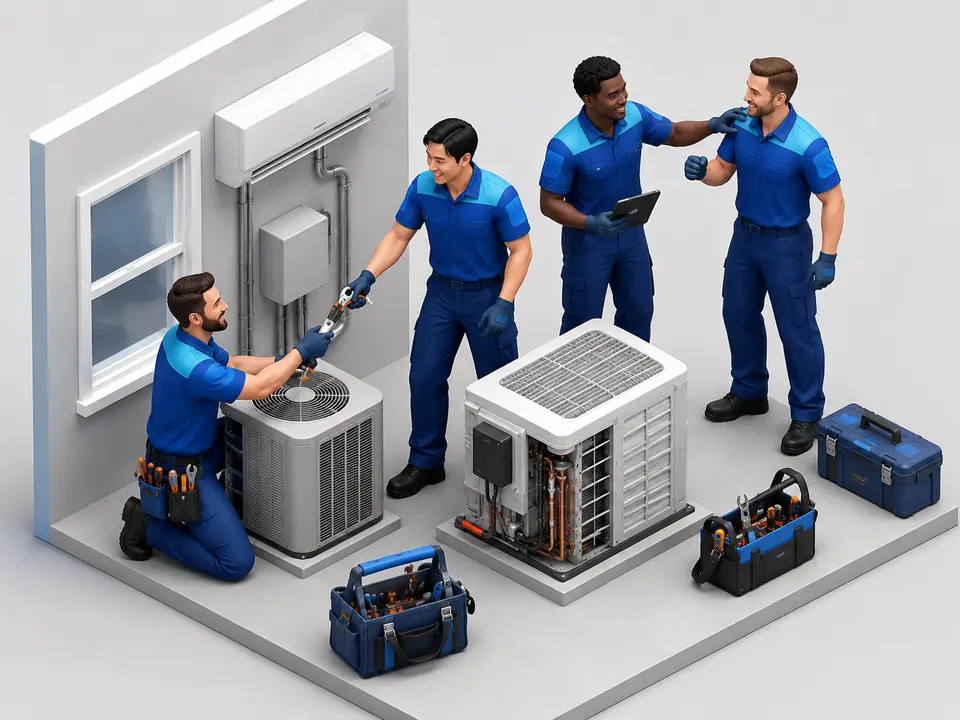
HVAC career drawbacks include heat, physical strain, travel, and seasonal pressure. Some roles also require emergency availability.
HVAC physical demands can wear on knees, backs, and shoulders. Smart lifting and recovery habits support longer careers.
HVAC safety risks include electricity, refrigerants, ladders, and hot spaces. Better safe than sorry.
HVAC career pros and cons must be weighed together. Our HVAC safety guide explains practical risk controls.
No amount of job pride erases poor leadership. Workers deserve safe expectations and respectful treatment.
Physical recovery deserves a plan. Stretching, sleep, hydration, and proper equipment support both mood and career length.
How Can You Test Whether HVAC Will Make You Happy?
HVAC job shadow time shows the trade’s real pace. Watch travel, customer talks, testing, cleanup, and paperwork.
HVAC career exploration should include several roles. Service and installation can feel like different careers under one roof.
Starting an HVAC career requires realistic expectations. Beginner work may feel slow while skills develop. Rome wasn’t built in a day.
HVAC career advice from current technicians can expose hidden details. Ask what makes them stay and what makes them leave.
Compare employers before comparing uniforms. Training, scheduling, pay, and leadership determine many daily feelings.
Write your own nonnegotiable list before interviews. Clear priorities prevent a shiny offer from hiding a poor match.
Final Answer: Is HVAC a Happy Job?
HVAC can be happy work for people who value practical skill, service, and visible results. It also brings demanding days.
Happy HVAC career outcomes grow from personal fit and workplace quality. The right role feels useful without consuming your life.
HVAC job fulfillment often appears after restoring comfort. Relief on a customer’s face can repay hours of careful work.
HVAC career choice decisions deserve firsthand research. Look before you leap. Visit shops and speak with working technicians.
A strong team can become a second community. Good work builds trust, pride, and room to grow.