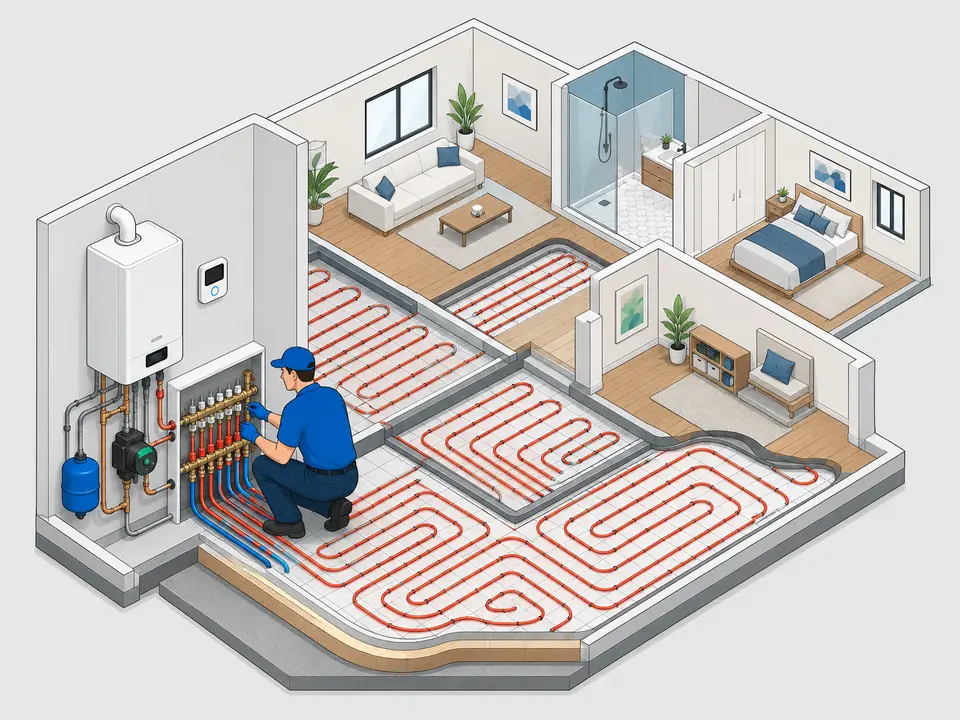
The right HVAC choice protects comfort and your budget.
Some problems need one clear repair. Others signal that an old system has reached its limit. Should you fix today’s fault or invest in tomorrow’s comfort?
This HVAC repair vs replacement guide uses facts, not pressure. You’ll compare age, cost, safety, and performance. Look before you leap.
Start With the Actual Problem
The question repair or replace HVAC starts with a correct diagnosis. A minor HVAC repair may involve a control or drain. A major HVAC repair may involve a compressor or heat exchanger.
Ask for measured findings and clear photos when useful. One fault should connect to one explanation. Numbers tell the tale during a sound HVAC replacement decision.
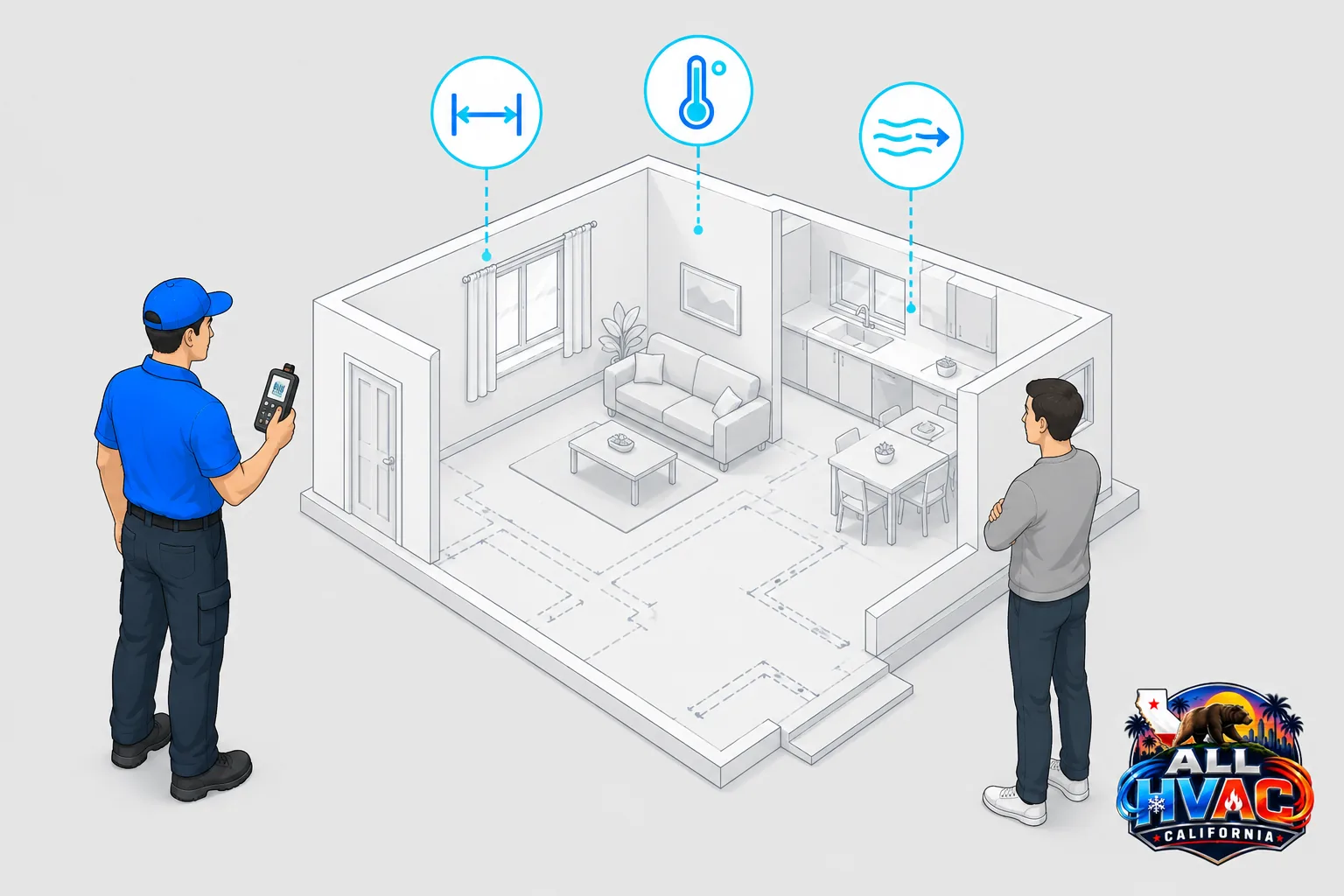
Consider HVAC System Age
HVAC system age gives useful context. Typical HVAC life expectancy varies by equipment and workload. An old HVAC system can still perform well.
Ask when to repair HVAC system if the fault is isolated. Ask when to replace HVAC system when major problems repeat. Age alone never tells the full story.
The proof is in the pudding when tests show condition. Maintenance and installation can change expected life. Treat age as one vote.
Compare Repair and Replacement Costs
HVAC repair cost depends on parts, access, labor, and diagnosis. The average HVAC repair cost online may not match your system. Written scope matters more than broad ranges.
HVAC replacement cost includes equipment, labor, permits, setup, and disposal. A full new HVAC system cost may also include ducts or electrical work. You get what you pay for.
Compare the repair with several years of likely use. Do not divide cost by age alone. Remaining condition matters.
Review Repair History
Your HVAC repair history shows whether trouble is isolated or growing. Frequent HVAC repairs can drain money and trust. Trouble often travels in packs.
Review the HVAC maintenance history too. Neglected filters may explain airflow faults. Regular care may support a repair.
An HVAC system breakdown after years of stable service may be unusual. Several shutdowns in one season tell another story. Keep invoices together.
Major Component Costs
Compressor replacement cost can become significant on older cooling systems. Evaporator coil replacement cost also varies by refrigerant and access. Matched parts are essential.
Heat exchanger replacement cost may approach furnace replacement value. Blower motor replacement cost changes by motor type. Apples and oranges need separate estimates.
Refrigerant leak repair cost depends on the leak location. A coil leak differs from a loose fitting. Repeated leaks may support replacement.
Check Safety First
An HVAC safety issue can outweigh ordinary cost math. A damaged heat exchanger may create carbon monoxide risk. Better safe than sorry around combustion.
Electrical overheating, repeated breaker trips, and gas odors need prompt attention. Turn off unsafe equipment. Follow professional safety guidance.
Compare Efficiency and Energy Use
Older equipment may lose HVAC efficiency through wear or dirt. High energy bills can also come from rates or weather. Compare similar months before deciding.
Cooling systems use a SEER2 rating. Furnaces use an AFUE rating. Heat pumps also carry an HSPF2 rating.
Higher ratings can reduce operating costs. Savings depend on climate and use. Don’t count your chickens before they hatch.
Look at Comfort and Airflow
Uneven temperatures may come from ducts, insulation, sizing, or controls. Poor HVAC airflow can make good equipment look weak. Check the full path.
HVAC short cycling may point toward controls, airflow, or sizing. HVAC running constantly may reflect heavy weather or lost capacity. Context matters.
Strange HVAC noises need diagnosis. So do persistent home comfort problems. A squeaky wheel gets the grease.
Persistent indoor air quality problems may also reflect moisture or ventilation issues. Equipment replacement alone may not solve them.
Consider Refrigerant Type
Some older systems use R-22 refrigerant. Supply and cost can affect major repair value. Never choose equipment from refrigerant fear alone.
Ask what refrigerant the system uses. Confirm whether new indoor and outdoor parts will match. Measure twice, cut once.
Check Warranty Coverage
HVAC warranty coverage may change the cost of repair. A parts warranty can cover equipment pieces. A labor warranty may cover installation work.
Read exclusions and registration rules. Warranty does not always include diagnosis or refrigerant. The devil is in the details.
Compare Written Estimates
An HVAC repair estimate should identify the failed part and total scope. An HVAC replacement estimate should list model numbers, permits, and setup. Vague quotes create vague results.
Get a second opinion HVAC diagnosis before a large decision. Two heads are better than one. Give each contractor the same facts.
System Design and Installation Quality
Replacement creates a chance to correct HVAC sizing. A Manual J load calculation measures real heating and cooling needs. Bigger is not always better.
Review ductwork condition before installing new equipment. Strong HVAC installation quality protects airflow and drainage. A matched HVAC system keeps indoor and outdoor parts compatible.
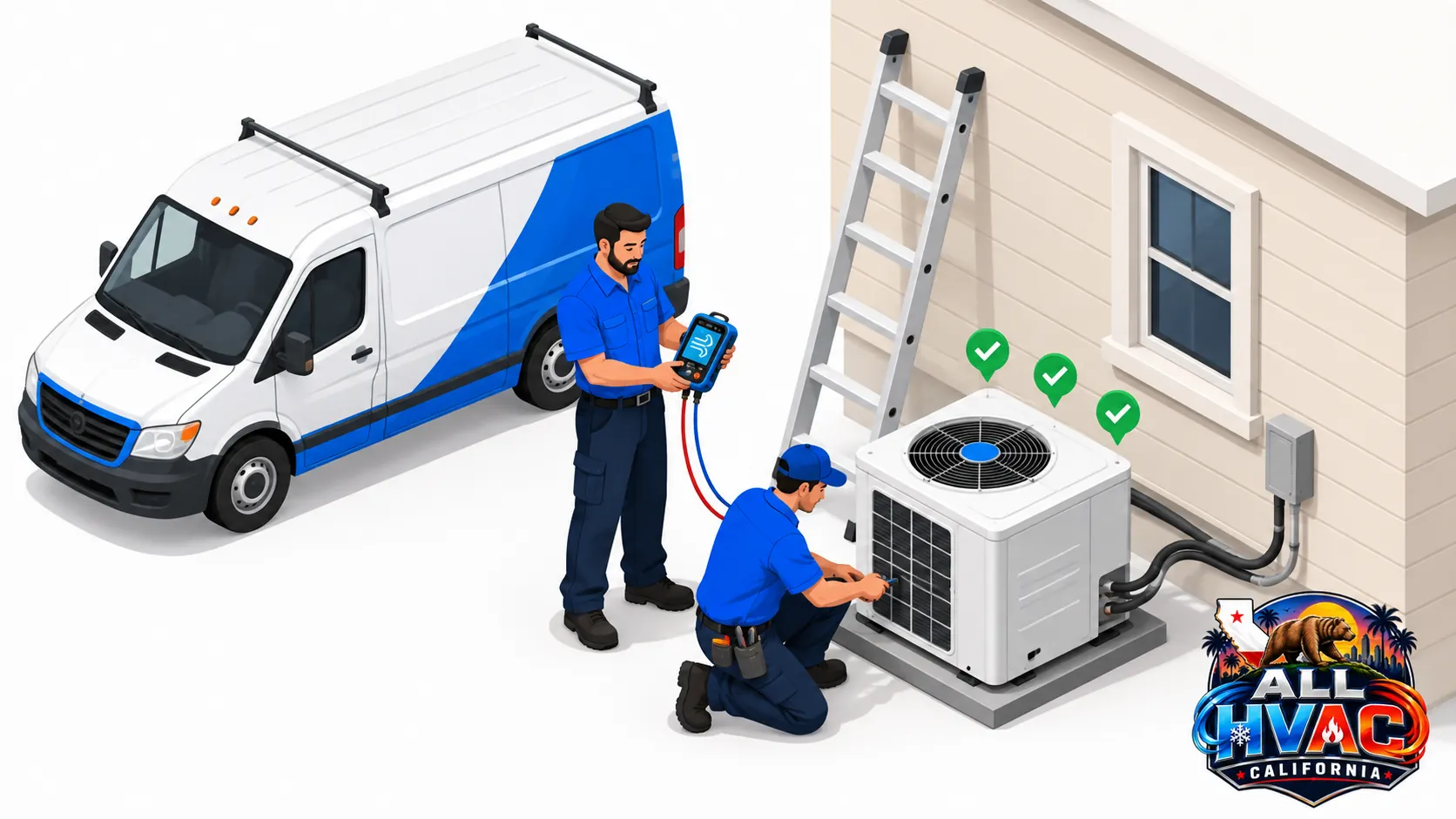
Plan Funding and Timing
HVAC financing can spread a large project cost. Available HVAC rebates may reduce eligible upgrades. Federal or state HVAC tax credits can change over time.
A planned HVAC replacement allows better comparison. An emergency HVAC replacement may limit equipment and timing. Make hay while the sun shines before peak weather.
The best time to replace HVAC is before reliability becomes urgent. Mild seasons can offer easier scheduling. Your needs still come first.
System-Specific Decisions
AC repair vs replacement often turns on compressor, coil, and refrigerant condition. Furnace repair vs replacement adds combustion safety. Each system needs its own test.
Heat pump repair vs replacement considers year-round workload. Boiler repair vs replacement includes water, venting, and piping condition. Horses for courses applies here.
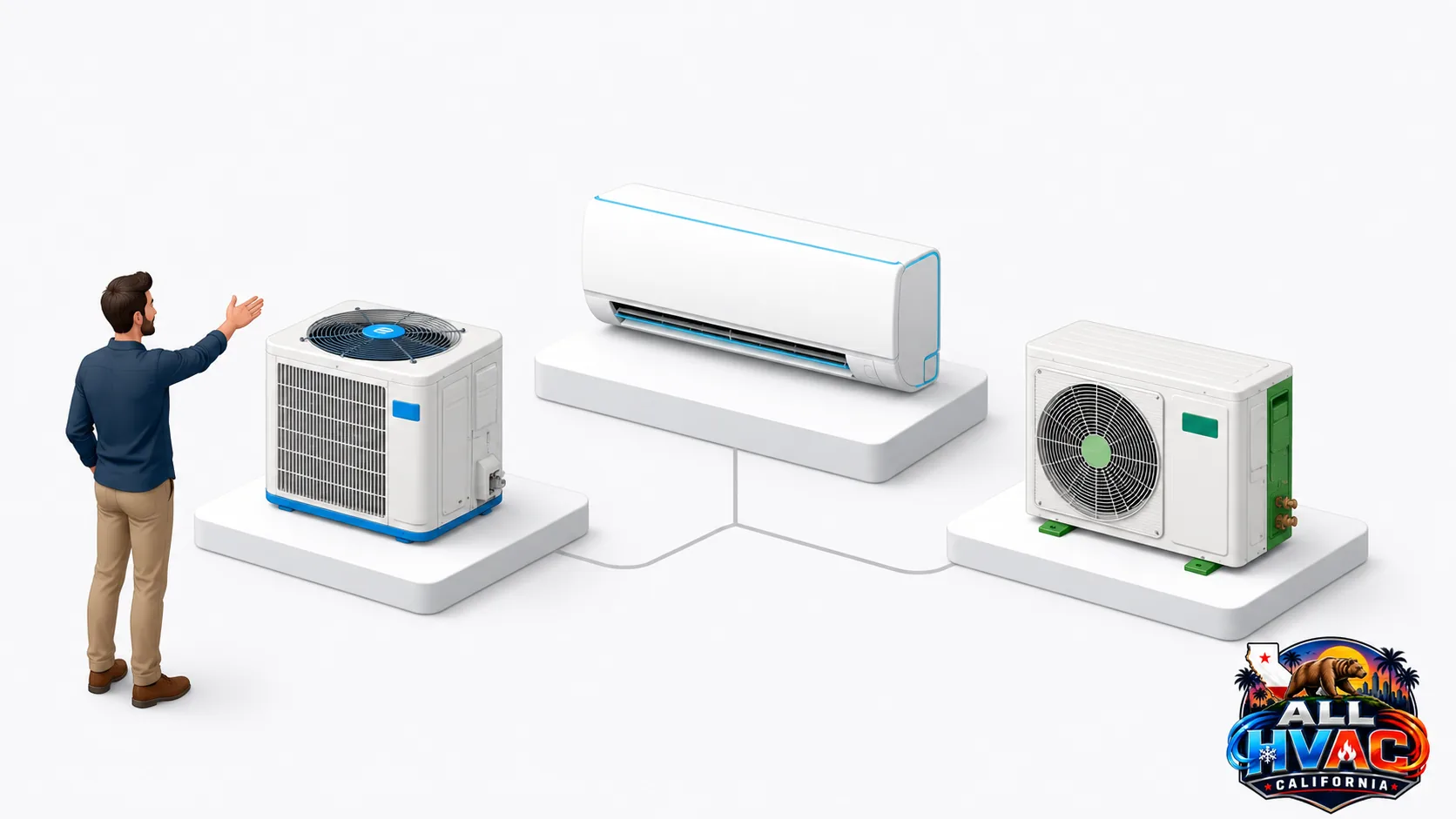
Use the full picture before spending money. Start with our HVAC maintenance checklist. Then choose a reliable HVAC contractor.
Official guidance can sharpen your decision. Review ENERGY STAR replacement signs. Check a contractor through the California CSLB license tool.
Frequently Asked Questions
Is it better to repair or replace HVAC equipment?
Repair isolated faults on otherwise dependable equipment. Replace when major failures, age, and poor comfort meet.
What is the five-thousand-dollar HVAC rule?
Some multiply repair cost by system age. Treat that shortcut as one clue, not a decision.
Should I replace a 15-year-old air conditioner?
Consider compressor condition, refrigerant, repair history, comfort, and energy use. Age alone is not enough.
Should I repair an old furnace?
Repair may make sense when the heat exchanger is safe and the fault is limited. Compare written options.
How many HVAC repairs are too many?
Several major repairs in a short period may support replacement. Review cost and remaining condition together.
Does a new HVAC system lower energy bills?
Efficient matched equipment may lower use. Savings depend on ducts, sizing, rates, weather, and habits.
Can I replace only the outdoor AC unit?
Indoor and outdoor parts must be compatible. Mismatched equipment can reduce efficiency and warranty protection.
Should ducts be replaced with HVAC equipment?
Replace damaged or poorly sized ducts. Sound ducts may only need sealing or balancing.
How long does HVAC replacement take?
Many straightforward projects take one day. Duct, electrical, permit, or access work can extend timing.
What should an HVAC replacement estimate include?
It should list equipment, labor, permits, removal, warranties, and commissioning steps. Ask about exclusions.
Is HVAC financing worth it?
Compare interest, fees, monthly cost, and cash options. Read the complete agreement.
Who should evaluate repair versus replacement?
A licensed HVAC contractor should test the system and explain written options. Pressure should never replace evidence.
Make the Decision With Confidence
Good decisions combine age, safety, cost, comfort, and measured condition. Do not let one scary number lead the whole choice. Knowledge is power.
Explore AC repair or AC replacement when cooling fails. Read our HVAC lifespan guide for age benchmarks. Clear evidence creates relief.
