HVAC equipment lasts for years, but no machine lasts forever.
Age gives you a clue, not a final answer. Care, sizing, climate, and installation shape real service life. How long do HVAC systems last in normal homes?
This guide explains HVAC lifespan by equipment type. It also shows when planning beats another repair. Forewarned is forearmed when comfort matters.
Average HVAC System Life Expectancy
The average life of HVAC system equipment often ranges from ten to twenty-five years. A complete HVAC system life expectancy depends on each component. One part may age faster than another.
Use age as a planning tool. Do not treat it like an expiration date. The proof is in the pudding when testing shows actual condition.
- Air conditioners often last 12 to 18 years.
- Furnaces often last 15 to 25 years.
- Heat pumps often last 10 to 16 years.
- Boilers often last 15 to 30 years.
- Ductless systems often last 12 to 20 years.
Air Conditioner Lifespan
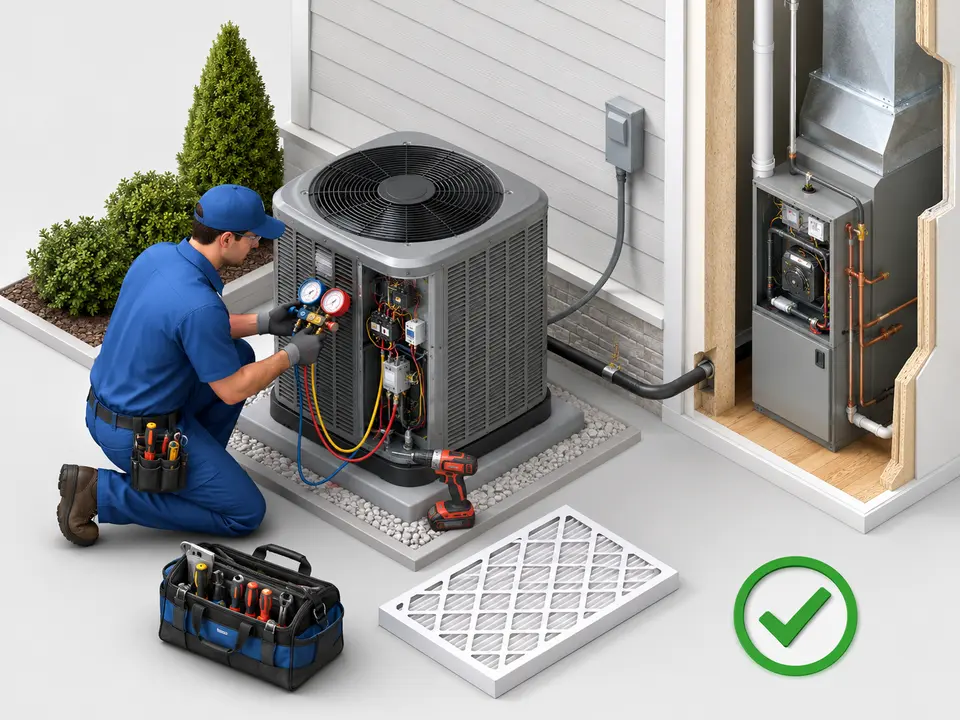
A typical air conditioner lifespan reaches 12 to 18 years. The central air conditioner lifespan may shrink under heavy inland heat. Long cooling seasons add operating hours.
Regular condenser maintenance keeps coils clear and airflow open. Coil cleaning reduces stress when dirt blocks heat transfer. A stitch in time saves nine during hot summers.
A major compressor failure can change the repair decision. A corroded evaporator coil may also be costly. Equipment age and refrigerant type matter.
Furnace Lifespan
The normal furnace lifespan often reaches 15 to 25 years. A gas furnace lifespan depends on burner care and safe combustion. An electric furnace lifespan may be similar or longer.
Routine furnace maintenance checks heat, airflow, ignition, and safety controls. A heat exchanger crack needs serious attention. Better safe than sorry applies around combustion.
A blower motor failure does not always require full replacement. Age and repair history guide the choice. Strong supporting parts can justify repair.
Heat Pump Lifespan
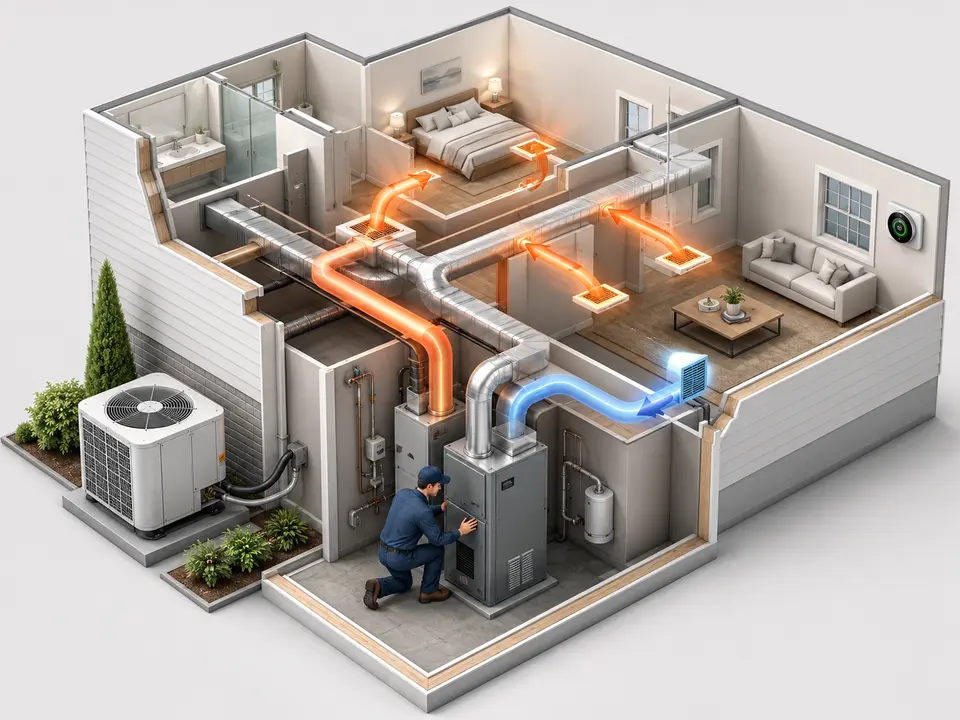
A common heat pump lifespan runs about 10 to 16 years. Heat pumps work during both heating and cooling seasons. That double duty can add operating hours.
Seasonal heat pump maintenance checks coils, controls, drainage, and refrigerant performance. Slow and steady wins the race when variable equipment runs longer. Long cycles can be normal.
An HVAC refrigerant leak needs proper diagnosis. Adding refrigerant without fixing leaks solves little. Repeated leaks may support replacement planning.
Ductless Mini-Split Lifespan
A typical mini split lifespan reaches 12 to 20 years. The ductless mini split lifespan depends on cleaning and room demand. Indoor heads collect dust quickly.
Good ductless maintenance includes filter, coil, drain, and outdoor checks. Many hands make light work when each indoor head stays clean. Neglected heads lose airflow.
Boiler and Radiant Heating Lifespan
A boiler lifespan may reach 15 to 30 years. A gas boiler lifespan depends on water quality and combustion care. A steam boiler lifespan also depends on piping condition.
Annual boiler maintenance checks pressure, controls, venting, and leaks. Don’t fix what isn’t broken, but never ignore corrosion. Small leaks can damage nearby parts.
A radiant heating lifespan can be long because buried tubing has few moving parts. Pumps and controls may need earlier service. Separate component ages during planning.
Ducts, Controls, and Supporting Parts
Ductwork lifespan often reaches twenty years or more. Flexible ducts may sag, tear, or lose insulation sooner. Out of sight should not mean out of mind.
A typical thermostat lifespan varies by model and environment. Controls may become outdated before failing. Replacement can add useful scheduling features.
Supporting parts shape total HVAC equipment lifespan. Weak airflow can strain healthy machines. Seal and balance the full system.
What Shortens HVAC Life
Poor HVAC installation quality can create years of stress. Bad drainage, loose wiring, and weak airflow all matter. You cannot build a strong house on sand.
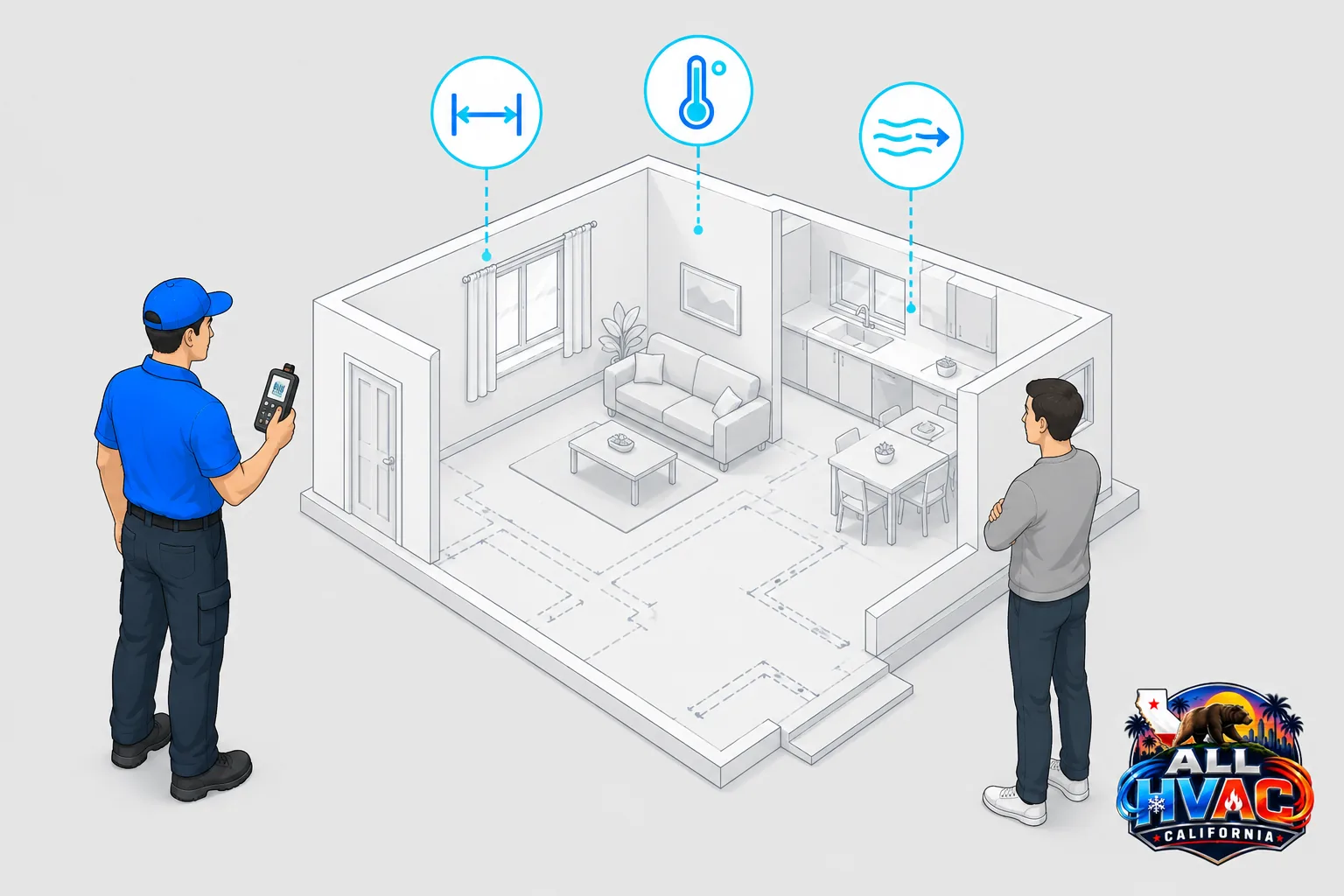
Correct HVAC sizing supports longer, calmer cycles. A Manual J load calculation measures actual needs. Oversized equipment often suffers short cycling.
Coastal HVAC corrosion can attack outdoor metal and coils. Wildfire smoke HVAC conditions may load filters quickly. A California HVAC system needs care matched to its region.
Maintenance That Protects Equipment
Regular HVAC maintenance reduces avoidable stress. Annual HVAC maintenance should cover cooling and heating equipment. An HVAC tune up checks operation under real conditions.
Timely air filter replacement protects airflow. Open vents and clear outdoor space also help. An ounce of prevention is worth a pound of cure.
Warning Signs of Aging Equipment
An old HVAC system may still work well. An aging HVAC system deserves closer tracking. Trouble often travels in packs near end of life.
- Frequent HVAC repairs keep returning.
- Rising energy bills continue without rate changes.
- Uneven temperatures grow across rooms.
- Long HVAC cycles no longer reach settings.
- Strange HVAC noises become louder or more common.
Review the full HVAC repair history. One repair proves little. Several major failures can change the value.
Efficiency and Warranty Clues
HVAC efficiency loss may follow wear, dirt, or poor airflow. Newer equipment uses current SEER2 rating standards. Furnaces use an AFUE rating.
Heat pumps carry an HSPF2 rating for heating. Compare real energy use, not labels alone. Apples and oranges never make a fair comparison.
Check the HVAC warranty before repairs. A parts warranty may not cover labor. A labor warranty can reduce near-term cost.
When Replacement Planning Makes Sense
HVAC replacement age becomes useful when problems also appear. Clear signs HVAC needs replacement include repeated major faults and poor comfort. Don’t throw good money after bad.
Ask when to replace HVAC system before peak weather arrives. Planned decisions allow better quotes and sizing. Emergency choices can narrow options.
Good HVAC replacement planning includes budget, permits, ducts, and timing. It also includes available rebates. Measure twice, cut once.
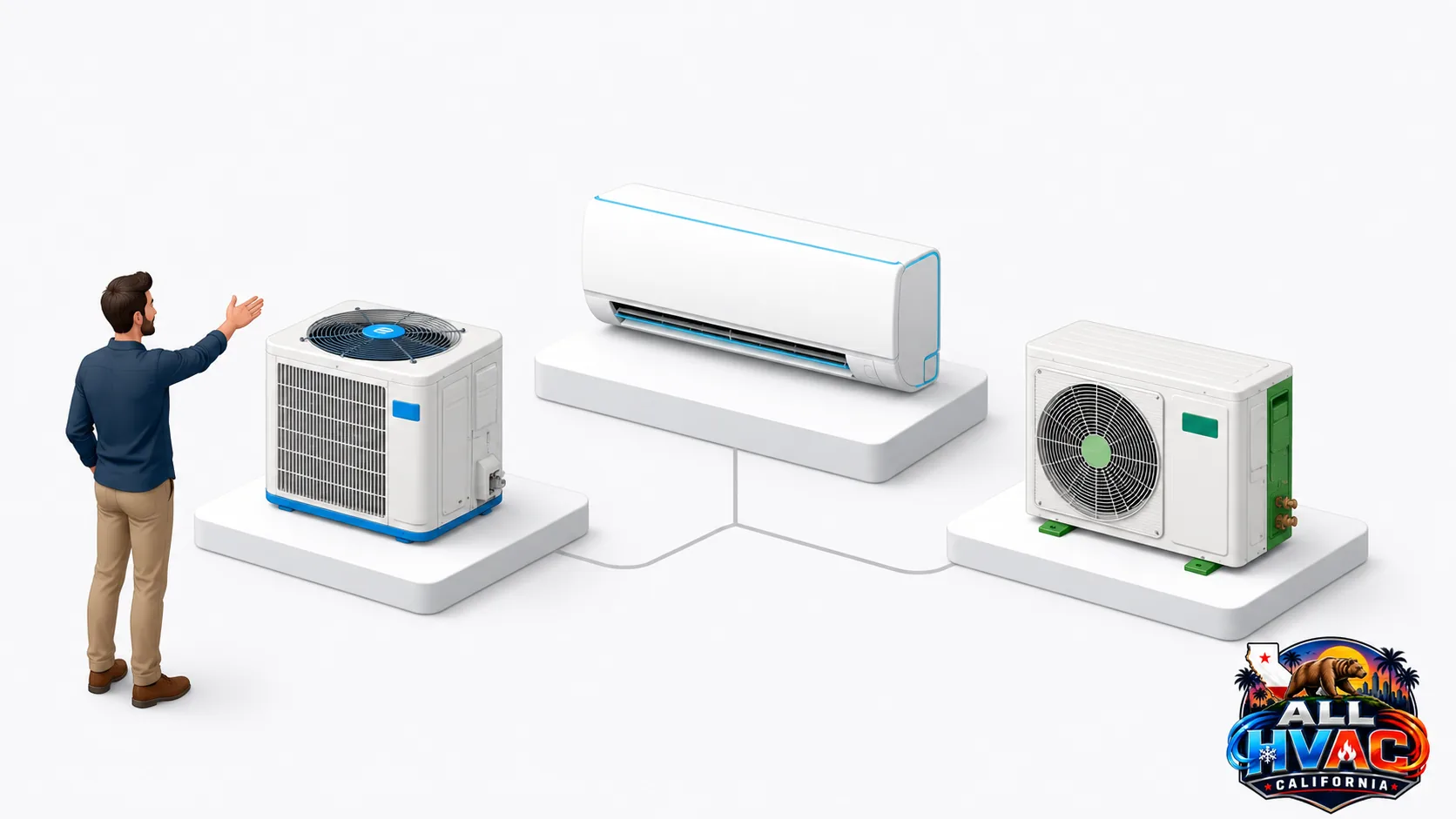
Plan the next step before equipment fails. Use our HVAC maintenance checklist. Then compare repair versus replacement and choose a reliable contractor.
Official guidance adds useful context. Review ENERGY STAR replacement signs. Check its maintenance checklist too.
Frequently Asked Questions
How long does a central HVAC system last?
Many systems last 12 to 20 years. Individual components may age at different rates.
Can an HVAC system last 30 years?
Some boilers and well-kept furnaces can reach thirty years. Efficiency and reliability may still decline.
Should I replace a 15-year-old HVAC system?
Age alone does not require replacement. Consider condition, repair history, comfort, and operating cost.
How long does an AC compressor last?
A compressor may last most of the air conditioner’s service life. Heat, poor airflow, and electrical stress shorten it.
How often should HVAC equipment receive maintenance?
Seasonal professional checks support heating and cooling readiness. Filter timing depends on system use and conditions.
Does regular maintenance extend HVAC life?
Maintenance reduces avoidable stress and finds developing faults. It cannot reverse normal age or damage.
Does coastal air shorten HVAC life?
Salt exposure can speed outdoor corrosion. Cleaning, coatings, and suitable equipment placement may help.
Do heat pumps wear out faster?
Heat pumps work in both seasons, so they may collect more operating hours. Good sizing and care matter.
How long do HVAC ducts last?
Metal ducts may last decades. Flexible ducts may fail sooner through sagging, tearing, or insulation damage.
What repair is too expensive for old HVAC equipment?
Compare repair cost with equipment age, warranty, efficiency, and other worn parts. Ask for written options.
Can a new thermostat extend HVAC life?
A suitable thermostat can improve scheduling and control. It cannot fix sizing, airflow, or equipment defects.
When should I start planning HVAC replacement?
Start when older equipment develops repeated problems. Early planning protects choice, budget, and timing.
Plan Before Comfort Becomes an Emergency
Track age, repairs, energy use, and room comfort together. One clue rarely tells the whole story. Two heads are better than one when testing supports the decision.
Review our HVAC services when your system needs a clear assessment. Read the HVAC parts guide next. Calm planning creates relief and confidence.
