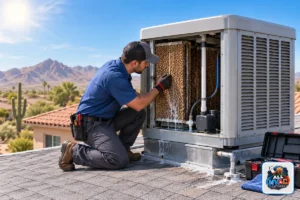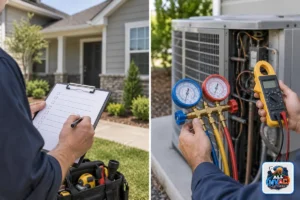

Yes, buyers can often negotiate after an HVAC inspection when their contract and contingency allow it. Common requests include repairs, credits, price reductions, or replacement allowances.
The inspection does not force the seller to agree. It gives both sides evidence. Clear findings and written estimates make the conversation stronger than a vague demand.
California contracts and deadlines vary. Use your agent or attorney for strategy. Use an HVAC professional for condition, scope, and cost information.
Start with the inspection contingency and deadlines
Your contract controls whether you can request changes and when. Read the inspection terms with your agent before ordering extra reports or estimates.
Some buyers can cancel, request repairs, or accept the home as-is. Others have narrower options. Do not assume one transaction matches another.
Send reports before the deadline and keep delivery records. A strong finding submitted late may have little practical value.
The California real property disclosure overview explains the broader role of disclosures and inspections. Your current contract still governs your deal.

Choose between repair, credit, and price reduction
A seller repair may fix the issue before closing. A credit can let the buyer control the contractor and final scope after closing.
A price reduction lowers the purchase price but may not provide immediate cash for repairs. Financing and appraisal details can affect the benefit.
A replacement allowance can address an older failed system. The amount should reflect real scope, not a round number pulled from thin air.
Ask your lender and agent how each option affects closing funds. The same dollar amount can work differently in practice.

| Option | Main advantage | Important limit |
|---|---|---|
| Seller repair | Work may finish before closing | Buyer controls contractor less |
| Closing credit | Buyer can manage work later | Lender limits may apply |
| Price reduction | Lowers purchase amount | May not create repair cash |
| Replacement allowance | Targets a large known need | Scope must be documented |
Use a licensed contractor’s written estimate
A detailed estimate should name the defect, recommended work, equipment, labor, permits, and exclusions. Photos and measurements make the request easier to understand.
Avoid using the highest internet price as proof. Property access, capacity, ducts, electrical needs, efficiency, and local permits change scope.
California buyers can review the CSLB contractor hiring guidance before relying on a bid.
If replacement is recommended, consider a second estimate. Competing written scopes reveal whether contractors are pricing the same job.

Separate urgent defects from age and preference
A cracked safety component, active leak, or failed system differs from an older working unit. The first is a present defect. The second is future planning.
Buyers can still negotiate aging equipment, but the argument should stay accurate. Age alone does not prove immediate failure.
Use the HVAC lifespan guide for context. Then rely on actual inspection findings and service history.
Cosmetic dislikes and efficiency upgrades may carry less weight than health, safety, or operation. Rank requests before presenting them.

Compare repair and replacement without inflating the claim
A failed small part may need repair, not a complete system. A major compressor failure on old equipment may create a different decision.
The HVAC repair versus replacement guide helps organize age, repair frequency, comfort, and future risk.
Ask whether the quoted replacement includes ducts, controls, electrical work, permits, removal, and commissioning. Missing items can grow later.
Present the estimate as evidence, not a threat. Clean facts usually travel farther than aggressive language.

Account for financing, appraisal, and closing realities
Credits may face lender limits. Repairs may need completion before funding. A price reduction may not solve immediate cash needs.
Ask the lender before finalizing a request. Your agent can help align the solution with the purchase agreement and closing timeline.
If the seller completes work, request invoices, permits, warranty information, and a final walkthrough. Verify the stated defect was addressed.
Consider a reinspection when the repair is material. One invoice does not prove performance or correct installation.
Make a focused request that leaves room for agreement
Lead with the biggest concerns. A long wish list can weaken attention to a failed furnace or serious electrical problem.
State the finding, attach the evidence, name the requested remedy, and give the response deadline. Keep the tone calm and specific.
Use the HVAC contractor guide when reviewing any seller-provided bid. Scope, license, and workmanship deserve equal attention.
Your agent should deliver the request using the correct forms. The technician’s job is to support the facts.
Know when accepting the risk may be reasonable
A competitive market, strong purchase price, or planned renovation may lead you to accept some HVAC risk. That is a financial choice, not a technical conclusion.
Build a realistic reserve if you proceed without changes. Include possible permits, related electrical work, and temporary comfort needs.
All HVAC California can provide a clear assessment and written scope for your decision. We do not decide the negotiation for you.
The right answer balances the property, contract, market, and your cash position. There is no universal winning move.
Questions California readers also ask
Can a buyer ask for a new HVAC system?
A buyer can request one when allowed by the contract. The seller may accept, reject, or counter.
Is an HVAC credit better than a seller repair?
It depends on lender limits, closing cash, timing, and who should control the contractor and scope.
How much should I negotiate for an old HVAC system?
Use condition and written estimates, not age alone. Your agent can shape the request within the contract.
Can the seller refuse HVAC repairs?
Often, yes. Rights and consequences depend on the agreement and contingency terms.
Should I get two HVAC estimates?
Two estimates can help for costly repairs or replacement, especially when the scopes differ.
Can an HVAC issue affect the appraisal?
It can in some transactions, especially when heating, safety, or property condition requirements apply. Ask the lender.
What if the inspection period is ending?
Contact your agent immediately. Do not assume a verbal discussion extends a written deadline.
Who chooses the contractor for seller repairs?
The agreement should address that. Buyers should request licenses, invoices, permits, and warranty details.
Should repaired HVAC work be reinspected?
Reinspection is wise for material defects or major work. It confirms the intended problem was addressed.
Can I walk away after a bad HVAC inspection?
That depends on your contract, contingency status, and deadlines. Get advice from your agent or attorney.
Negotiate with evidence and a clear priority
An HVAC inspection can support negotiation, but it does not guarantee a concession. Use contract timing, a focused report, and realistic written estimates.
All HVAC California can explain the condition and scope without turning the visit into a sales pitch. Request a free estimate before your decision deadline.
This article gives general information, not legal, lending, tax, or real estate advice. Consult your agent, attorney, and lender about your transaction.