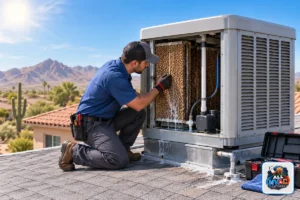

A new HVAC system can increase buyer appeal and support home value, but it rarely returns every dollar by itself. The benefit depends on climate, efficiency, installation, permits, and the old system’s condition.
In many California markets, reliable cooling feels essential. Buyers may value a new system because it reduces near-term risk and improves comfort during hot months.
Value is not one fixed percentage. This guide explains what strengthens the upgrade, what weakens it, and how sellers can document the work.
A new system removes a major buyer concern
Buyers often fear an expensive failure soon after closing. New equipment with clear documents can reduce that uncertainty.
The upgrade becomes more valuable when the old system was broken, unsafe, noisy, or visibly neglected. Replacing a healthy recent system offers less added appeal.
Buyer perception also depends on presentation. Clean equipment, labeled controls, and organized records build confidence during inspection.
A new unit will not fix every comfort problem. Leaky ducts, poor insulation, and bad sizing can follow the new cabinet home.

Efficiency and comfort can strengthen the story
Modern equipment may reduce energy use when it is correctly sized, installed, and controlled. Actual savings depend on the home and previous system.
ENERGY STAR notes that heating and cooling use a large share of home energy. Review its efficiency guidance for maintenance and installation factors.
Quiet operation, even temperatures, and good humidity control often matter more to buyers than a technical rating alone.
Avoid promising a specific utility reduction without supporting data. Rates, weather, thermostat settings, and envelope quality all change results.

| Value factor | Stronger result | Weaker result |
|---|---|---|
| Old system condition | Failed or near failure | Recent and reliable |
| Installation | Sized, permitted, commissioned | Box swap with missing records |
| Climate demand | Cooling is essential | Low seasonal use |
| Documentation | Transferable warranty and invoices | Unknown scope or installer |
Installation quality matters more than the equipment badge
A premium system can perform poorly when oversized, undercharged, or connected to damaged ducts. A correctly installed midrange system can be the stronger asset.
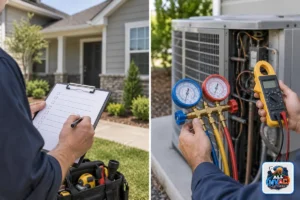
Ask for load calculations, startup records, model numbers, permits, and final inspection documents. These items show the job was more than a box swap.
California’s contractor hiring guidance helps owners verify licenses and compare written agreements.
Use our HVAC contractor guide before installation. Good documentation begins with a clear scope.

Permits and transferable warranties build trust
Buyers and inspectors may ask whether the work was permitted. Requirements vary by location and project, so keep every approval and final record.
Manufacturer and labor warranties should be easy to understand. Confirm whether coverage transfers and whether the new owner must register.
Save invoices, manuals, commissioning notes, and maintenance visits in one folder. Organized records turn a claim into evidence.
Unpermitted or poorly documented work can create questions even when the equipment looks new. Paperwork protects the investment.
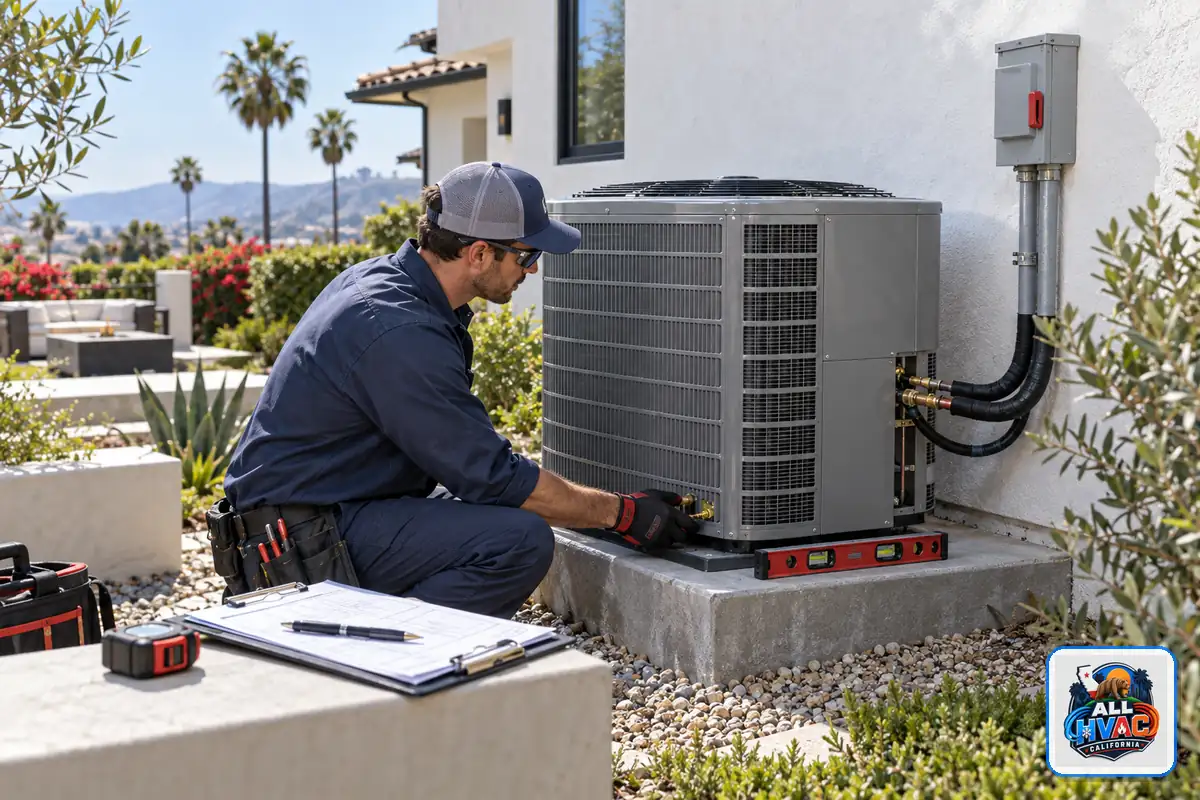
The local climate changes buyer demand
Central Valley and inland Southern California buyers often place heavy weight on reliable cooling. Mild coastal areas may view the upgrade differently.
Heat pumps can add both heating and cooling appeal in suitable homes. Electrical capacity, ducts, climate, and incentives can shape the decision.
Review the types of HVAC systems before choosing technology. The best resale story starts with the right system for the property.
Local agents and appraisers understand neighborhood expectations. Ask them whether buyers compare equipment age closely in your market.

Do not confuse project cost with value added
Installation price and resale value are different numbers. The project may also deliver years of comfort and reliability before any sale.
If you plan to move soon, compare replacement with repair, disclosure, and pricing strategies. Our repair versus replacement guide helps frame the technical side.
A replacement chosen only for resale should stay practical. Overbuilt features may not earn a matching premium from buyers.
Ask a local real estate professional for comparable market evidence. HVAC contractors should not guarantee appraisal outcomes.
Make the upgrade visible in the listing package
List the installation date, system type, efficiency rating, warranty, permits, and included controls. Keep claims accurate and simple.
Provide service records and explain any related duct or electrical upgrades. Buyers appreciate the full scope.
Do not bury documentation until after an inspection question. Give the agent a clean summary before marketing begins.
The installation should feel like a finished improvement, not an unresolved project. Clean work areas and correct labels help.
Choose replacement for the home first
The best system should fit the building, climate, budget, and expected ownership period. Resale value is one factor, not the only factor.
If the current system still works, review age, repair history, comfort, and sale timing. An unnecessary replacement can consume funds better used elsewhere.
All HVAC California can compare repair and replacement without hidden add-ons. You receive a clear scope and practical choices.
A well-chosen system adds pride and peace of mind. That confidence often shows when buyers walk through the home.
Questions California readers also ask
How much value does a new HVAC system add?
There is no universal amount. Local demand, old system condition, quality, efficiency, and documentation shape value.
Does a new AC increase appraisal value?
It may support condition and marketability, but appraisers use market evidence and property-specific methods.
Will I recover the full HVAC replacement cost?
Often not through resale alone. Comfort, reliability, and energy use may provide value during ownership.
Is a heat pump better for resale?
It can be attractive when suitable for the home and climate. Installation, electric capacity, and buyer expectations matter.
Do buyers care about HVAC efficiency ratings?
Many care, but clear comfort, low risk, and trustworthy documentation often matter more than one rating.
Does an HVAC warranty transfer to a buyer?
Some warranties transfer under specific terms. Verify written requirements before listing.
Should I replace ducts with the new system?
Only when testing or inspection supports repair or replacement. Sound ducts may need sealing or balancing instead.
Do permits affect resale value?
Proper permits can strengthen buyer confidence and reduce questions. Requirements differ by location.
Should I choose the cheapest system before selling?
Choose a properly sized, reliable system with solid installation. A weak installation can undermine the entire benefit.
Can I advertise expected energy savings?
Use supported facts and avoid guarantees. Bills depend on weather, rates, occupants, settings, and the home.
A new HVAC system adds confidence when the work is right
New HVAC equipment can improve comfort, lower buyer anxiety, and strengthen a home’s condition story. The strongest results come from proper sizing, permits, commissioning, and organized records.
All HVAC California can help you compare repair and replacement before listing. Request a free estimate for a clear scope built around the home.
This article gives general information, not appraisal, tax, legal, or real estate advice. Market value varies by property and local conditions.