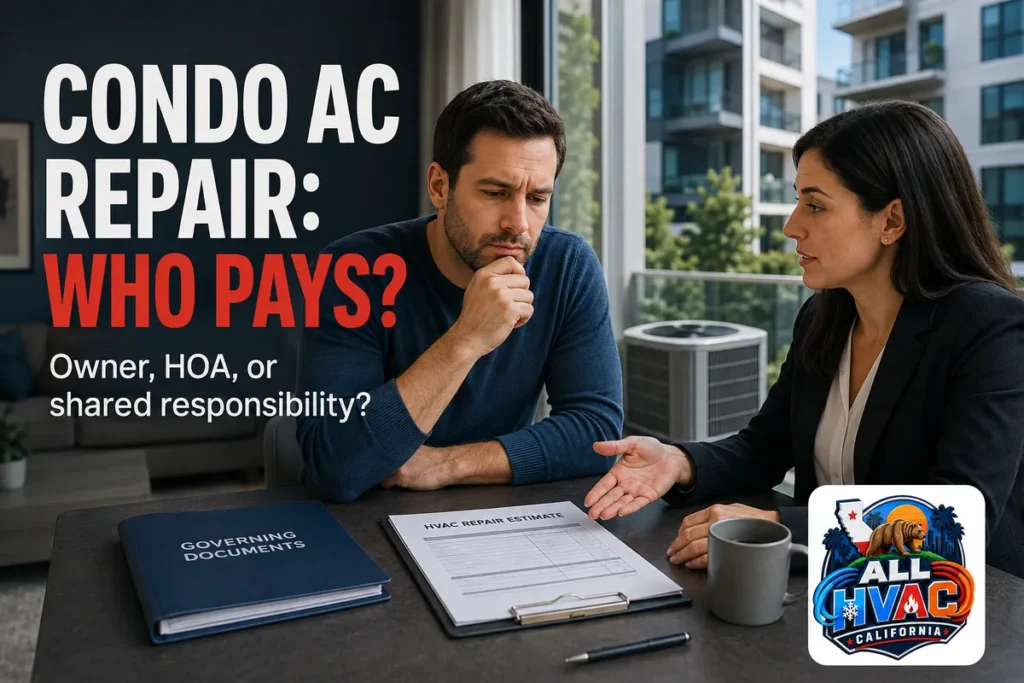
Responsibility for condo HVAC repairs depends on the governing documents, equipment boundaries, and applicable California law. The owner may handle some components while the HOA handles others. Equipment serving one condo is not automatically the owner’s repair responsibility.
Start by identifying the failed component and reading the declaration. Then separate maintenance, repair, replacement, and damage claims. Those questions can have different answers even within the same system.
This is general information for California condo owners, not legal advice. A qualified attorney should interpret disputed documents or obligations. All HVAC California can help document equipment condition and the proposed repair scope.
What is the starting rule in California?
California law provides default responsibilities, but the declaration can change important parts of that allocation. That makes the recorded documents essential. Do not stop at a verbal statement about who usually pays.
Under California Civil Code Section 4775, common-area upkeep generally belongs to the association. Separate-interest upkeep generally belongs to the owner. The statute distinguishes exclusive-use common areas and interrupted utility services.
For exclusive-use common areas, the default divides duties. The owner generally maintains the area, while the association repairs and replaces it. The declaration may provide a different arrangement.
Those defaults do not classify your condenser, coil, piping, or ducts by themselves. Classification requires the declaration, condominium plan, and relevant facts. Location outside your walls is a clue, not a complete legal answer.
Which documents help determine who pays?
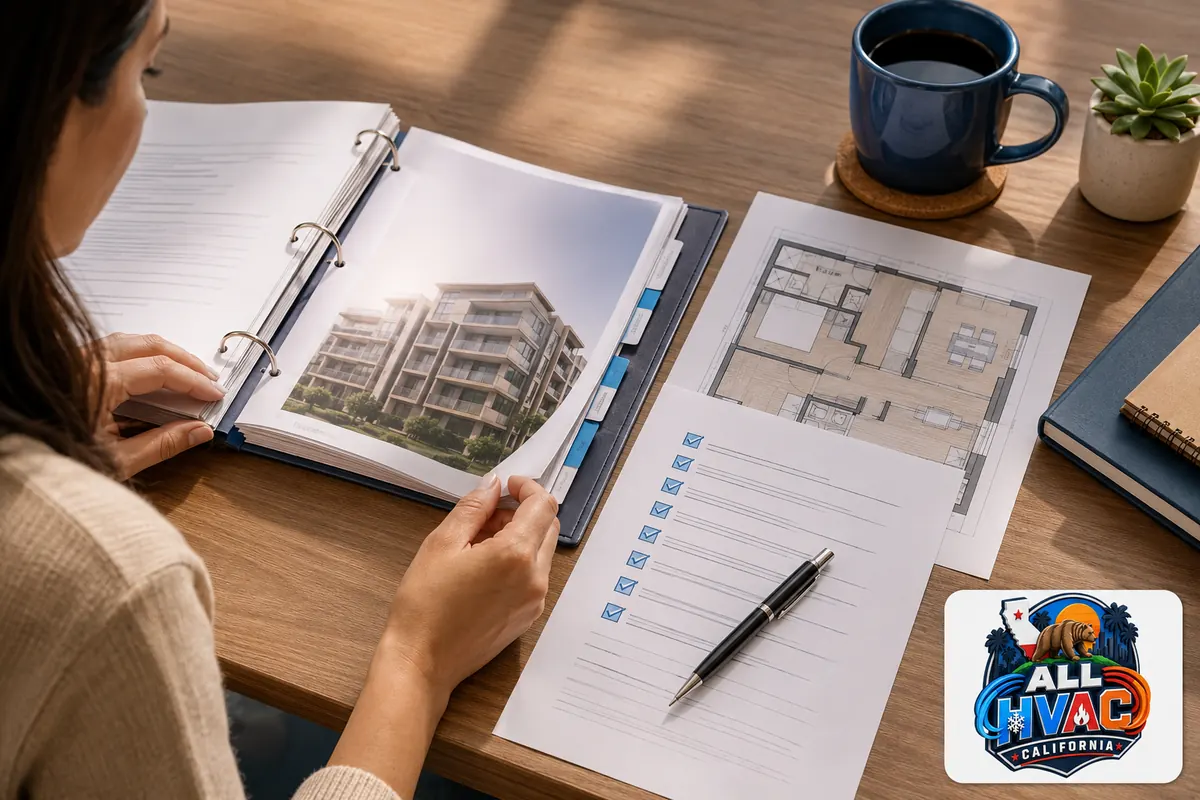
The declaration and condominium plan establish important ownership boundaries and obligations. Read the fine print before authorizing major work. Supporting records can help explain how those rules apply to actual equipment.
The declaration and CC&Rs
Look for sections addressing HVAC, mechanical equipment, utilities, and maintenance. Also search for separate interests, common areas, and exclusive-use common areas. Definitions may appear far from the maintenance article.
Read amendments alongside the original document. An old closing packet may not include later recorded changes. Ask management for the current documents rather than relying on an outdated copy.
The condominium plan
The plan can identify boundaries that ordinary room descriptions overlook. Walls, ceilings, roof areas, balconies, and utility spaces may have specific classifications. Equipment can cross more than one boundary.
A refrigerant line might travel through a shared shaft before reaching private equipment. A drain may connect to a common branch. Map the failed section rather than labeling the entire system with one word.
Maintenance charts and service records
A responsibility chart can make the documents easier to use. However, confirm how the chart relates to controlling documents. A simplified chart should not replace legal review when the wording conflicts.
Past invoices show who handled earlier work, but history is not conclusive proof. A previous payment could reflect a special agreement or mistake. Ask for the written basis of the current decision.
Why does the exact failed component matter?
HVAC systems contain several components with potentially different responsibilities. A single repair visit can involve private equipment and common infrastructure. The diagnosis should identify the failure before anyone debates the entire system.
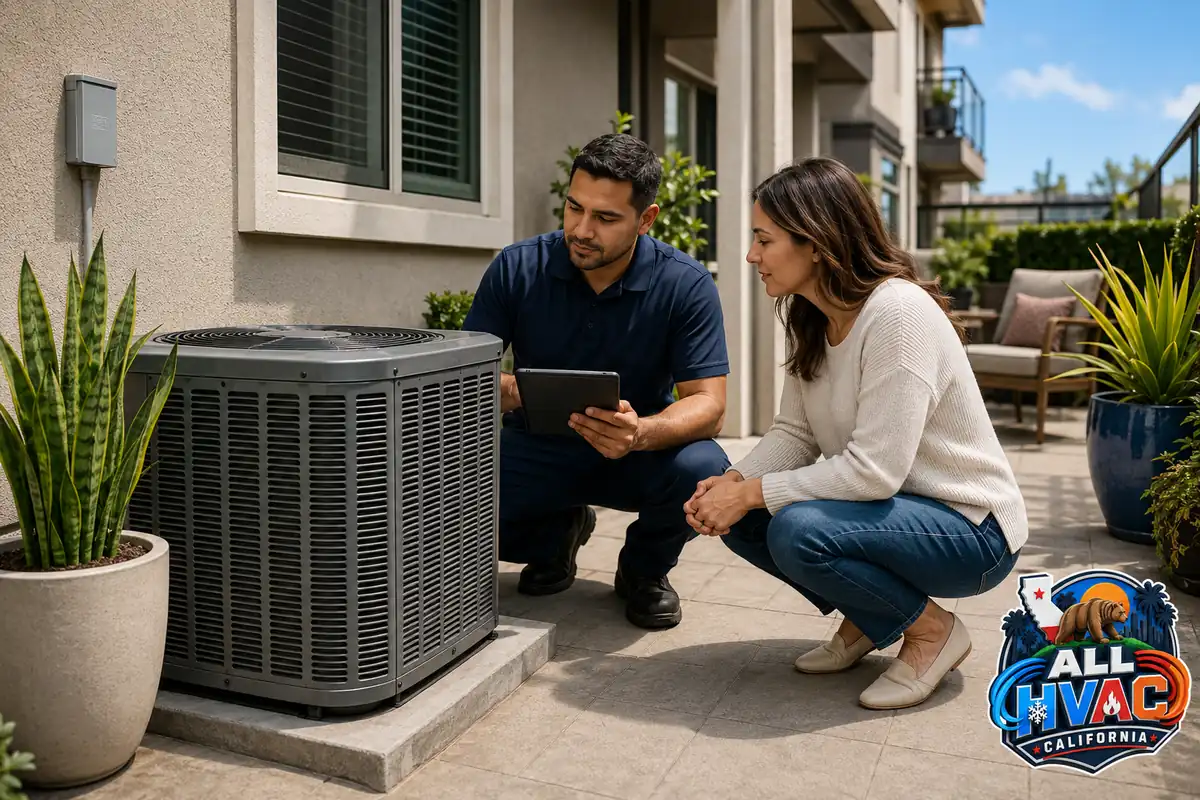
Our HVAC system guide explains the main heating, cooling, and airflow components. Use those names when describing the problem. Clear terminology can prevent confusion between a local unit and a shared plant.
- An indoor blower, control board, or thermostat serving one residence.
- A rooftop condenser assigned to one residence.
- A refrigerant line or drain running through common construction.
- A fan coil receiving water from a central plant.
- A shared pump, boiler, chiller, or water riser.
- A roof curb, support frame, flashing, or waterproofing detail.
For example, a private unit may sit on a common roof. Equipment repair and roof repair may follow different rules. Access permission can also be required even when the owner pays for equipment.
A technician should state what failed and where it is located. They should explain whether the fault appears local or shared. They should not present a technical inspection as a binding legal ownership decision.
Does serving only one condo make equipment privately owned?
No. Exclusive service does not automatically establish ownership or repair responsibility. That shortcut can be misleading for condensers, lines, drains, and other equipment. The relevant documents need to identify the legal arrangement.
Likewise, a rooftop location does not automatically make every part the HOA’s responsibility. Some communities assign owners duties for dedicated rooftop equipment. Others allocate those duties differently.
Ask management to cite the specific provision behind its answer. If the wording is unclear, request clarification before approving replacement. That is more useful than trading assumptions about where the equipment sits.
Record model numbers when safely visible. Our guide to identifying your AC unit shows where useful labels appear. Equipment identification helps match the diagnosis to the correct residence.
How do maintenance, repair, and replacement differ?
Maintenance preserves normal operation, repair corrects a fault, and replacement renews a component or system. Those plain-language descriptions help frame the discussion. The governing documents may use their own definitions.
Filter changes, routine cleaning, and scheduled inspections often fall within maintenance. Replacing a failed motor may be a repair. Replacing an entire worn unit may be treated as replacement.
However, a job’s label alone does not decide who pays. Ask what work is required and why. Then compare that scope with the actual document language.
Our HVAC maintenance checklist can help identify routine tasks. Use your building’s approved service schedule where one exists. Do not perform work assigned to the association without authorization.
A neglected-maintenance allegation can introduce another question about damage or reimbursement. Do not assume the allegation proves liability. Preserve records and seek qualified advice when responsibility is disputed.
What happens when shared heat or utilities stop working?
Section 4775 includes duties concerning specified interrupted services that begin in common areas. Its text addresses gas, heat, water, and electrical service. Exceptions and the declaration can affect the responsibility analysis.
Where the statute applies, the board must commence the repair process within 14 days. That is a commencement requirement, not a promise of completed repairs within 14 days. It also does not mean every individual AC fault follows that rule.
The statute includes further provisions and an emergency-condition exception. Application depends on the actual service, origin, and circumstances. Ask legal counsel about a disputed cooling outage rather than assuming automatic coverage.
Report an interruption promptly through the building’s designated channel. Include when it began, which units are affected, and any known safety concerns. Keep dated copies of the report and responses.
Do not wait for a paperwork deadline during an immediate hazard. Follow emergency instructions for gas odors, smoke, electrical danger, or active flooding. Property responsibility can be resolved after people are safe.
What should you do before hiring a contractor?
Confirm who can authorize the inspection and who will pay the diagnostic charge. An open conversation now avoids surprises later. Emergency conditions may require a different response through management.
- Document symptoms, error messages, dates, and visible damage safely.
- Notify management and ask whether shared systems are affected.
- Request the relevant ownership and maintenance provisions.
- Confirm contractor access, insurance paperwork, and any building service restrictions.
- Obtain approval for diagnosis and identify its initial payer.
- Request a component-specific report before approving major repairs.
Do not assume an inspection authorization includes permission for replacement. Set a clear spending limit and approval process. Ask the contractor to call before expanding the work.
When booking AC repair, share the equipment type and access rules. Explain any disagreement about ownership before the visit. The contractor needs to know who can approve work and receive the report.
Does paying for equipment mean you can replace it freely?
No. Repair responsibility and alteration approval are separate issues. Owner-funded equipment can still affect roofs, exterior walls, noise, drainage, or common access. Check both questions before ordering a replacement.
California Civil Code Section 4765 addresses review procedures when governing documents require approval. It does not create blanket permission to alter common property. Building permits and other requirements remain separate.
A like-for-like replacement may still require a review under community rules. A changed location, size, sound level, or piping route can add issues. Ask for written approval or a written determination that review is unnecessary.
Keep the approved model and scope with the contractor’s documents. If equipment availability changes, confirm whether revised approval is required. A similar-looking substitute may have different dimensions or operating requirements.
How should repair estimates handle split responsibilities?
Split-responsibility work should have a split scope. Ask the contractor to separate equipment, shared piping, access, and restoration tasks. That makes each authorization easier to understand.
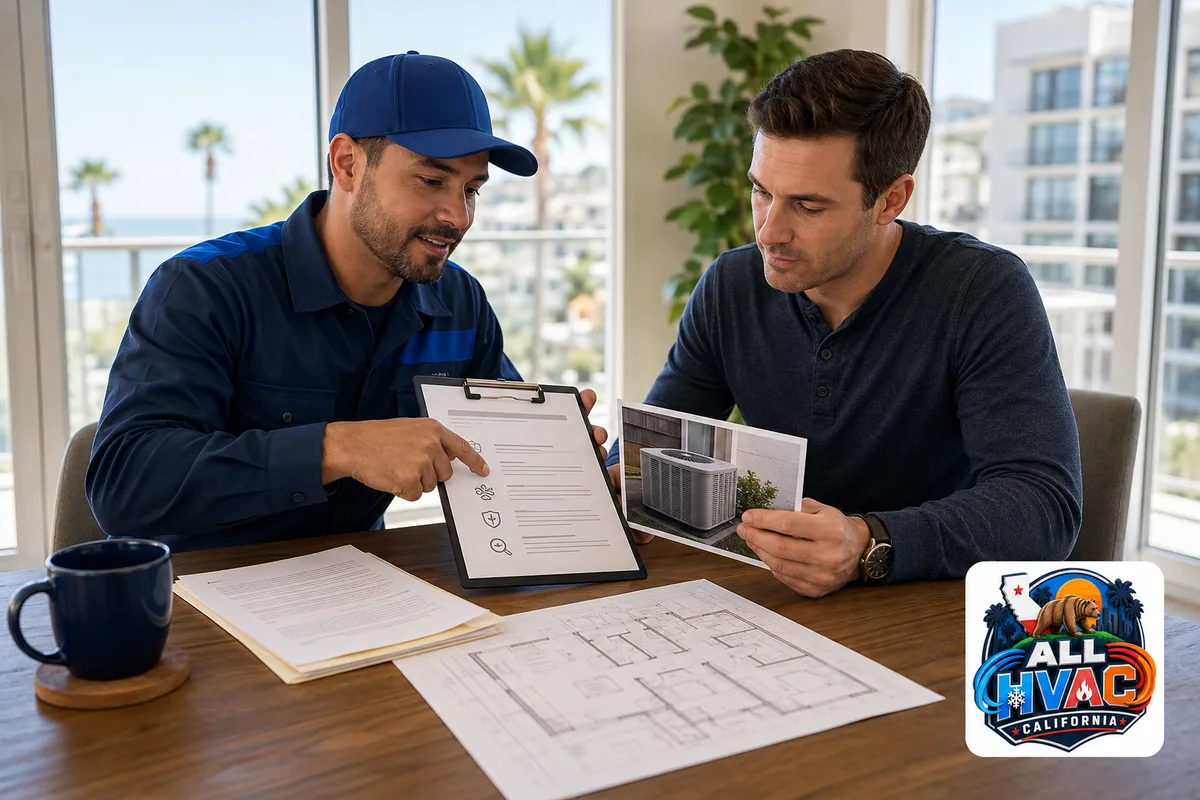
An estimate might list diagnosis, local equipment repair, shared isolation, and ceiling restoration separately. It can also identify roof protection and after-hours coordination. These are examples, not a universal allocation of costs.
Ask whether the quote includes permits, required testing, disposal, and cleanup. Confirm who schedules shared shutdowns and who communicates with residents. Responsibility for coordination should not remain an assumption.
If conditions remain hidden, define the next inspection step and approval limit. A contractor cannot price every concealed defect precisely before access. Clear allowances and written change approvals help control uncertainty.
What about insurance and damage to another condo?
Insurance coverage is separate from the duty to maintain or repair equipment. A policy may treat equipment failure and resulting water damage differently. Coverage depends on policy wording, exclusions, deductibles, and the facts.
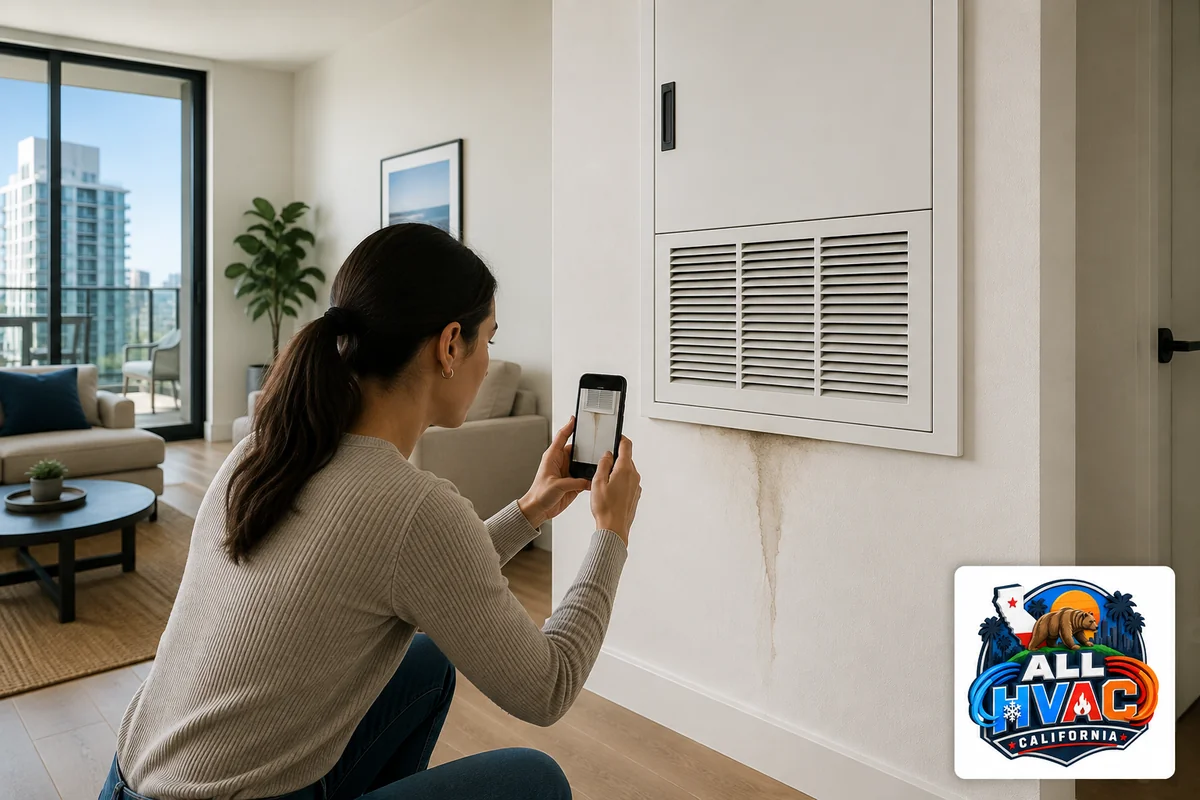
Notify the relevant insurer or broker promptly when damage may be covered. Document visible conditions without disturbing unsafe areas. Ask before discarding failed parts when evidence may be needed.
A leak reaching another unit can involve several parties and separate claims. Do not admit legal liability or promise reimbursement without appropriate advice. Focus first on safe mitigation and accurate reporting.
Ask who will preserve photos, technician findings, invoices, and damaged-material records. Keep communications factual and dated. A clear record helps technical, insurance, and legal professionals review the same event.
What would a useful responsibility request look like?
A useful request describes the technical issue without declaring an unverified legal conclusion. State when the problem began and identify the equipment. Attach the technician’s factual report and ask specific questions.

For example, explain that cooling stopped and water appeared beneath the indoor cabinet. Identify the reported failed component and its location. Ask which declaration provision assigns diagnosis, repair, and any shared access work.
Then ask who can authorize the next step and the expected response process. Keep the requested action narrow enough to answer. Separate any insurance or neighboring-property issue into its own question.
Suppose the report identifies a local control fault and a separate shared drain restriction. Those findings may require two work scopes and different authorizations. Calling everything an AC repair hides that useful distinction.
Alternatively, the first inspection may not identify the failure without opening finished surfaces. Ask who approves that access and who restores the finish. Confirm the initial cost limit before further investigation begins.
These are hypothetical examples, not findings about your building. Their purpose is to improve documentation and coordination. The governing documents and actual facts still determine the legal analysis.
Keep a timeline of reports, inspection dates, authorizations, and decisions. Preserve the original files rather than relying only on forwarded screenshots. A shared factual record helps everyone discuss the same problem.
Questions homeowners ask
Who usually pays for a condo AC repair?
The answer depends on component classification and governing documents. California supplies default duties, but declarations can change key allocations. Identify the failed part before deciding.
Does the HOA pay because my condenser is on the roof?
Not automatically. Roof location and equipment responsibility are different questions. Check the declaration, condominium plan, and any relevant amendments.
Do I pay because the equipment serves only my unit?
Not necessarily. Single-unit service does not settle legal classification. Dedicated equipment may still involve common or exclusive-use common areas.
What if the CC&Rs only mention maintenance?
Do not assume that word covers every repair and replacement duty. Read definitions and related provisions together. Seek legal advice if the allocation remains unclear.
Who pays the diagnostic fee during a disagreement?
Confirm an initial payer before booking. A later reimbursement question may remain unresolved. Get the inspection authorization and spending limit in writing.
Can management decide ownership from an invoice alone?
An invoice can show past work but may not establish controlling responsibility. Ask which governing provision supports the current decision.
Does California require every AC repair within 14 days?
No. Section 4775 addresses specified interrupted services and commencement of the applicable repair process. It is not a universal AC repair-completion deadline.
Can I deduct my repair bill from HOA dues?
Do not do that based on general online guidance. Payment obligations and remedies require advice specific to your documents and circumstances.
Who handles a shared boiler or chiller failure?
Notify management because several residences may depend on that equipment. The governing documents and applicable law determine duties. The building service provider may need coordinated access.
Is a leaking drain always the owner’s responsibility?
No. The failed section may be local, shared, or cross several boundaries. Request a report identifying the location and cause.
Can I hire my own contractor?
That depends on authorization, access, and building requirements. Confirm whether the proposed work affects common systems. Do not assume roof access is unrestricted.
Does HOA approval mean the HOA pays?
No. Approval of a proposed change and responsibility for its cost are separate matters. Document both before work begins.
Will insurance pay for failed HVAC equipment?
Coverage varies. Mechanical failure and resulting property damage can be treated differently. Ask the insurer or broker to review the actual policy and event.
What should a technician’s report include?
It should identify equipment, symptoms, failed components, location, and recommended work. Useful photos and measured findings support the explanation. Legal ownership conclusions need appropriate review.
What if the owner and HOA still disagree?
Request the written position and supporting provisions. Preserve inspection evidence and follow applicable dispute procedures. A qualified California attorney can advise on next steps.
The bottom line
Condo HVAC responsibility follows documents, component boundaries, and applicable law, not a simple location rule. Separate technical diagnosis from ownership and payment decisions. Keep each authorization in writing.
Request a free estimate from All HVAC California when you need a documented equipment assessment. We can discuss the technical scope and repair options. Refer disputed legal duties to a qualified professional.