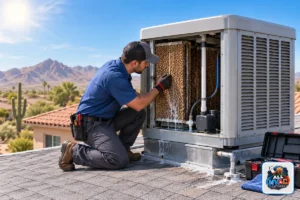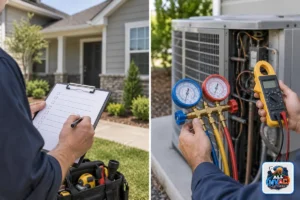
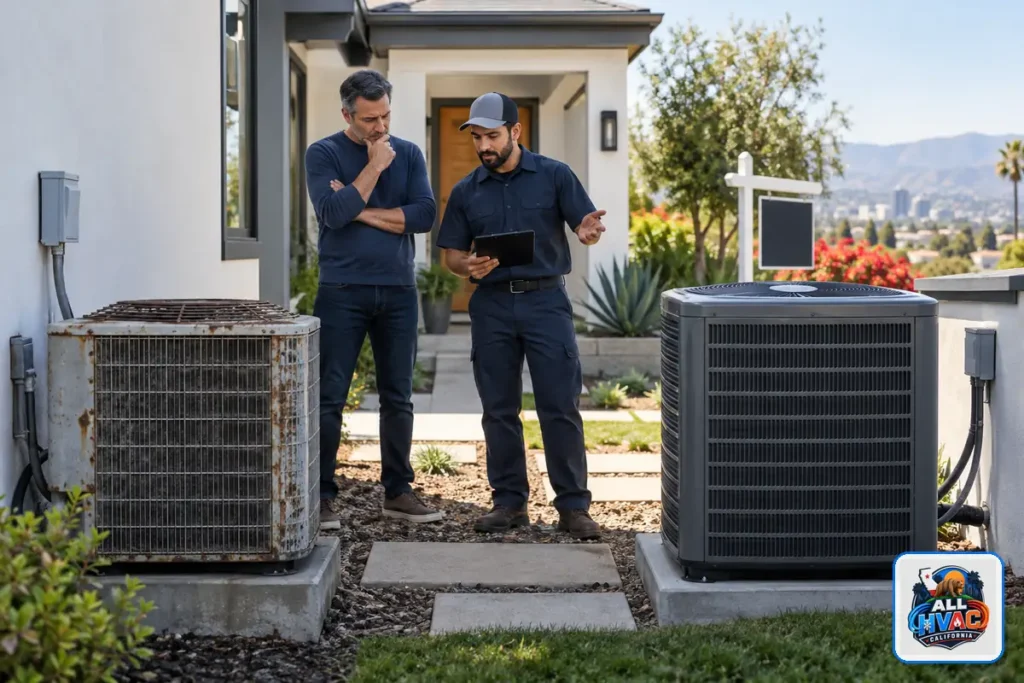
Replace your HVAC before selling when it is failed, unsafe, unreliable, or likely to derail the deal. Repair may be smarter when the system is serviceable and the problem is limited.
A new system can ease buyer worries. It can also consume cash without returning every dollar. The right choice depends on condition, sale timing, climate, price point, and local demand.
This guide helps California sellers compare repair, replacement, credit, and as-is options before the listing goes live.
Begin with a professional condition assessment
Do not replace equipment because of age alone. Ask a technician to identify active defects, safety issues, likely repairs, and remaining concerns.
A pre-listing visit can uncover drainage, electrical, airflow, duct, or control problems. Small repairs made early often prevent larger inspection drama.
Request written scope and photos. Those records help you compare choices with your real estate professional.
Use our repair versus replacement guide to organize age, failure history, comfort, and expected life.

System age matters, but reliability matters more
Older equipment attracts buyer questions because future replacement feels close. Still, a clean, maintained system can be easier to accept than a newer neglected one.
Review service frequency, major part replacements, noise, energy use, and comfort. A system that failed twice last summer carries more risk.
Our HVAC lifespan guide gives general ranges. Actual condition should lead the decision.
Keep maintenance records ready. Evidence of steady care reduces uncertainty even when the equipment is not new.
| Option | Best fit | Main tradeoff |
|---|---|---|
| Repair | Limited defect and sound system | Future age concerns remain |
| Replace | Failure, safety risk, repeated repairs | Higher upfront cash and project time |
| Buyer credit | Buyer wants equipment choice | Financing limits may apply |
| Sell as-is | Fast or investor-focused sale | Smaller pool or lower offers |
Match the choice to your sale timeline and budget
Replacement needs time for estimates, equipment, permits, installation, and final documents. A rushed job can create more trouble than it solves.
If listing is weeks away, schedule early. If closing is near, a credit or negotiated solution may fit better.
Protect cash for moving, repairs, and closing costs. Ask your agent how local buyers react to old or failed HVAC systems.
Do not assume a price reduction funds immediate repair for the buyer. Credits and price changes work differently with financing.

Compare repair, replacement, credit, and as-is sale
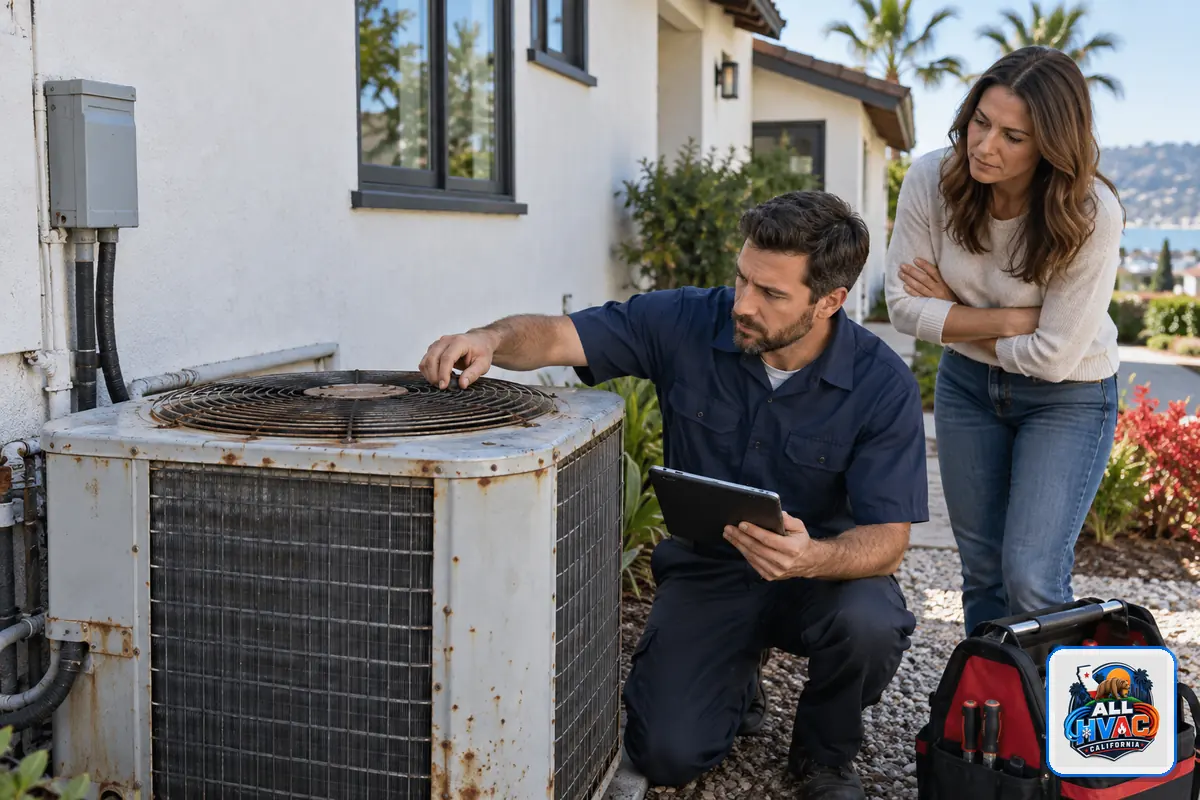
Repair fits isolated problems on otherwise sound equipment. Replacement fits major failure, unsafe condition, repeated breakdowns, or poor parts availability.
A credit can let buyers choose equipment, but lender limits may apply. An as-is sale may reduce delay while narrowing the buyer pool.
Ask the contractor to separate required work from optional efficiency upgrades. Then ask the agent how each path affects marketability.
No option is automatically best. The strongest choice solves the largest sale risk without overbuilding for a buyer you have not met.

Permits and installation quality protect the value
Replacement before a sale should be permitted when required and installed by a qualified contractor. Save the contract, models, startup records, and final approval.
California’s contractor hiring guidance helps homeowners verify licenses and review agreements.
Confirm warranty transfer terms. Give the buyer written instructions and maintenance dates. Loose promises do not survive escrow.
Use the HVAC contractor guide before selecting a low bid. Scope and commissioning matter.

Disclose known problems and document completed work
Sellers should discuss disclosure duties with their real estate professional. Hiding known HVAC trouble can create bigger problems later.
California’s real property disclosure overview explains that disclosures do not replace inspections. Current advice should come from your agent or attorney.
If you repair the system, keep the invoice and describe the exact work. If you replace it, provide permits and warranty information.
Accurate records build trust. They also help the buyer’s inspector understand what changed and when.
Consider the buyer experience during showings
A comfortable home shows better during hot California weather. Noise, odors, and weak airflow can distract buyers from every other improvement.
Set a reasonable temperature and replace a visibly dirty filter. Do not cover noises or reset failures without diagnosis.
Clean accessible equipment areas and remove stored items blocking service panels. Inspectors need safe access.
A calm, cool showing can support confidence. It does not replace honest disclosure and documented condition.
Get estimates before choosing the listing strategy
A written repair and replacement comparison gives your agent real numbers. It also prevents last-minute guesses after a buyer inspection.
Ask what the price includes: equipment, labor, permits, electrical changes, ducts, disposal, thermostat, warranty, and testing.
All HVAC California can provide a pre-listing evaluation and straightforward options. We explain what is necessary and what is optional.
With facts in hand, you can replace, repair, credit, or disclose with fewer surprises. That is the real win.
Questions California readers also ask
Does old HVAC make a house harder to sell?
It can create budget concerns, especially in hot areas. Condition, records, price, and market demand still matter.
Will I recover the full replacement cost?
Not always. Replacement may add comfort and reduce buyer objections without returning every dollar.
Should I repair HVAC before listing?
Repair active defects when the system remains sound. Get a written assessment before deciding.
Can I offer the buyer an HVAC credit?
Possibly. Contract and lender rules affect credits. Ask your agent and lender.
Is age alone enough reason to replace HVAC?
No. Consider condition, reliability, efficiency, service history, parts, and local buyer expectations.
Should I get an HVAC inspection before selling?
A pre-listing inspection can reveal issues early and support accurate pricing and disclosures.
Do I need permits for HVAC replacement?
Requirements vary by location and scope. Use a qualified contractor and verify local rules.
Does a new warranty help the sale?
Transferable written coverage can build confidence. Confirm terms before marketing it.
What records should I give the buyer?
Provide invoices, permits, models, warranties, manuals, startup records, and maintenance history.
Can I sell without fixing broken HVAC?
Often yes, with proper disclosure and a willing buyer. Contract, financing, and market factors matter.
Replace only when it solves the right sale problem
Replacement makes sense when HVAC condition threatens comfort, safety, reliability, or the transaction. Repair or credit may be smarter for smaller or uncertain issues.
All HVAC California can give you a clear pre-listing comparison. Request a free estimate before the market makes the decision under pressure.
This article gives general information, not legal, tax, appraisal, lending, or real estate advice. Consult qualified professionals for your sale.