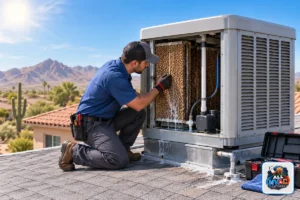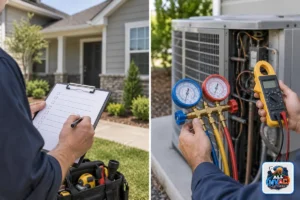

Yes, you can often sell a house with a broken HVAC system. However, the failure can affect disclosure, buyer interest, financing, inspection negotiations, and the final price.
The best path may be repair, replacement, a buyer credit, or an as-is sale. Condition, season, market strength, contract terms, and cash all matter.
This guide explains the practical options for California sellers. It also shows what documents and estimates can keep the process moving.
An as-is sale is possible, but the problem still matters
As-is usually means the seller does not plan to make repairs. It does not automatically erase disclosure duties or the buyer’s inspection rights.
Some investors and renovation buyers accept failed HVAC. Owner-occupants may worry about immediate comfort and replacement cash.
Pricing should reflect the system and the wider property. Your agent can compare homes with similar condition and buyer profiles.
Do not promise a cheap fix without diagnosis. A failed thermostat and a failed compressor create very different risks.

Get a repair quote before choosing the sale path
A professional assessment replaces guesswork with a specific defect and scope. Ask for repair and replacement options when both are reasonable.
Written estimates should identify equipment, labor, permits, electrical work, ducts, controls, warranties, and exclusions. This keeps everyone on the same page.
Our repair versus replacement guide helps owners compare age, reliability, repair history, and future risk.
The estimate also helps your agent discuss price, credit, or repair strategy. Evidence can cool down an emotional negotiation.

| Sale approach | Potential benefit | Possible challenge |
|---|---|---|
| Repair before listing | Broader buyer appeal | Upfront cost and schedule |
| Replace before listing | Removes major near-term concern | May not return full cost |
| Offer buyer credit | Buyer controls future work | Lender limits can apply |
| Sell as-is | Avoids project delay | Lower offers or fewer buyers |
Disclose known HVAC problems accurately
Discuss current disclosure duties with your real estate professional. Known failures, leaks, and material repairs may need clear reporting.
California’s real property disclosure overview explains that disclosure forms do not replace buyer inspections.
Provide invoices, reports, model information, service history, and any permits. Separate facts from estimates or opinions.
Do not run a system the technician marked unsafe. A comfortable showing is never worth a safety problem.

Expect the buyer inspection to shape negotiations
The buyer may request repair, replacement, credit, price reduction, or no change. The seller can respond within the contract terms.
A focused report makes it harder for the issue to grow through rumors. It shows what failed and what the proposed work includes.
Keep contingency deadlines in view. Your agent should handle formal responses and negotiation language.
If the seller completes repairs, provide the invoice and permit records. A buyer may request reinspection before closing.

Financing and appraisal can limit some buyers
Certain loans and insurers may require working heating or correction of safety concerns. Requirements depend on the property and financing program.
Ask the buyer’s lender through the proper transaction channels. Do not assume every loan treats a failed AC or furnace the same way.
A credit may face lender limits. A price reduction may not provide repair cash. Structure matters as much as amount.
Your agent, lender, and attorney should guide transaction details. The HVAC contractor supplies technical facts and written scope.
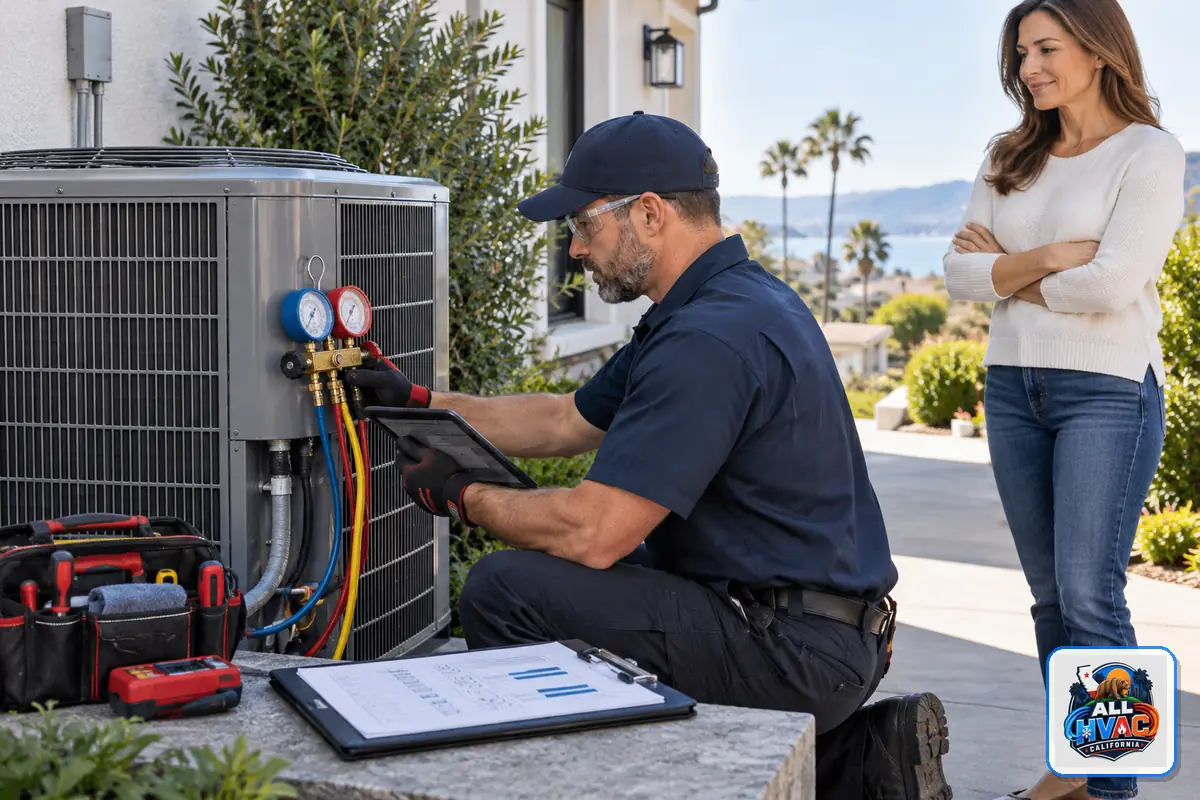
Season and climate change the urgency
A broken AC attracts more attention during a California heat wave. Failed heat can create urgent safety and financing concerns during cold weather.
Temporary portable units do not prove the central system works. Describe them accurately and follow electrical safety instructions.
If the property is vacant, protect pipes, finishes, and indoor conditions. A failed system can create damage beyond comfort.
ENERGY STAR’s heating and cooling guidance explains maintenance and replacement considerations for homeowners.
System age still helps frame the buyer’s risk
Age does not diagnose the failure, but it changes the repair decision. Older equipment may have limited parts and a shorter planning window.
Use our HVAC system lifespan guide for general context. Then rely on the contractor’s actual findings.
A newer system can fail from poor installation or a defective part. An older system can sometimes return to service after a sensible repair.
Keep the discussion tied to condition, cost, safety, and sale timing. A birth date alone does not write the answer.
Repair first when a defined fix improves marketability
Repair can make sense when the defect is limited, parts are available, and the rest of the system is sound. A working system broadens the buyer pool.
Replacement may make sense after major failure, unsafe condition, repeated repairs, or poor parts access. Avoid overbuilding only for the listing.
Use the HVAC contractor guide before authorizing rushed work. License, scope, and commissioning protect the result.
California’s contractor resources can help verify licenses and written agreements.
Document the condition even when selling without repairs
A contractor report can state what was tested, what failed, and what could not be tested. That clarity helps buyers budget.
Photograph labels and visible condition. Keep reports, bids, disclosures, and buyer communications organized.
All HVAC California can assess the system and explain realistic choices. We keep repair and replacement scope straightforward.
Selling with broken HVAC is possible. Selling with no information is harder, so bring facts to the table.
Questions California readers also ask
Is it legal to sell a house with broken HVAC?
Often yes, but disclosure and contract duties apply. Ask a California real estate professional or attorney.
Do I have to fix HVAC before closing?
Not always. The contract, buyer request, financing, appraisal, and agreement determine the outcome.
Can I sell the home as-is?
Often yes. As-is terms do not automatically remove disclosure duties or buyer inspection rights.
Will broken AC lower the home price?
It can reduce offers or create credits, especially in hot markets. The exact effect varies.
Can a buyer get a mortgage with broken HVAC?
Some loans may allow it, while others require working heat or safety corrections. Ask the lender.
Is a repair credit better than fixing HVAC?
It depends on lender limits, timing, cash, and who should control the contractor and equipment choice.
Should I replace HVAC before listing?
Replace when failure, safety, reliability, and market impact justify the cost. Get estimates first.
What should an HVAC report include?
It should identify equipment, observed condition, tests, limitations, defects, photos, and recommended next steps.
Can I use portable units during showings?
You can use safe temporary comfort equipment, but describe the central system accurately.
Who should assess broken HVAC for a sale?
Use a qualified HVAC contractor for diagnosis. Use your agent or attorney for disclosure and contract advice.
A broken system does not have to break the sale
You can sell a home with broken HVAC, but information and timing shape the result. Get a diagnosis, understand contract and financing limits, and choose repair, credit, replacement, or as-is terms deliberately.
All HVAC California can provide a clear assessment and estimate without surprise additions. Request a free estimate before the issue reaches the negotiation table.
This article gives general information, not legal, lending, appraisal, tax, safety, or real estate advice. Consult qualified professionals for your transaction.