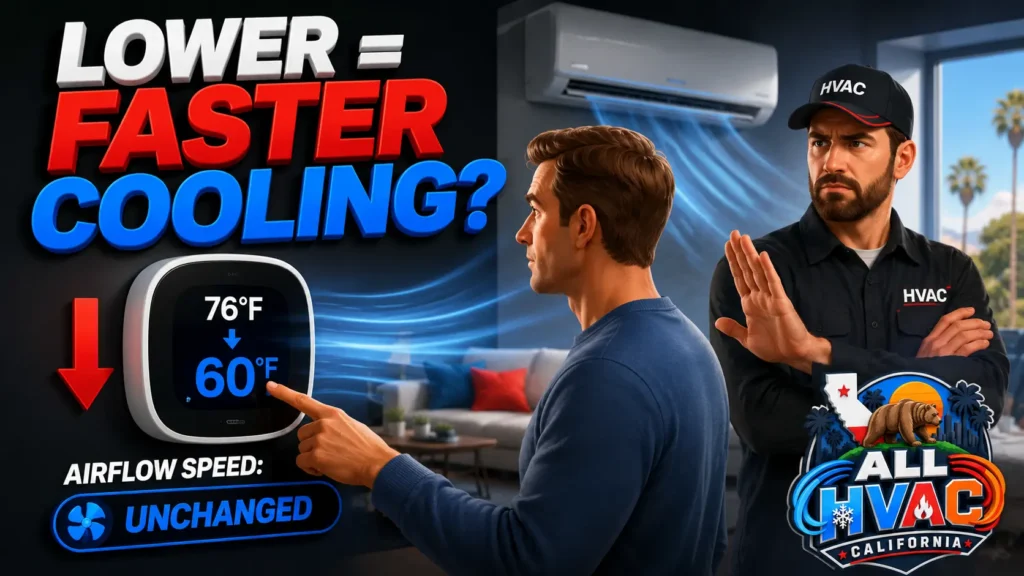
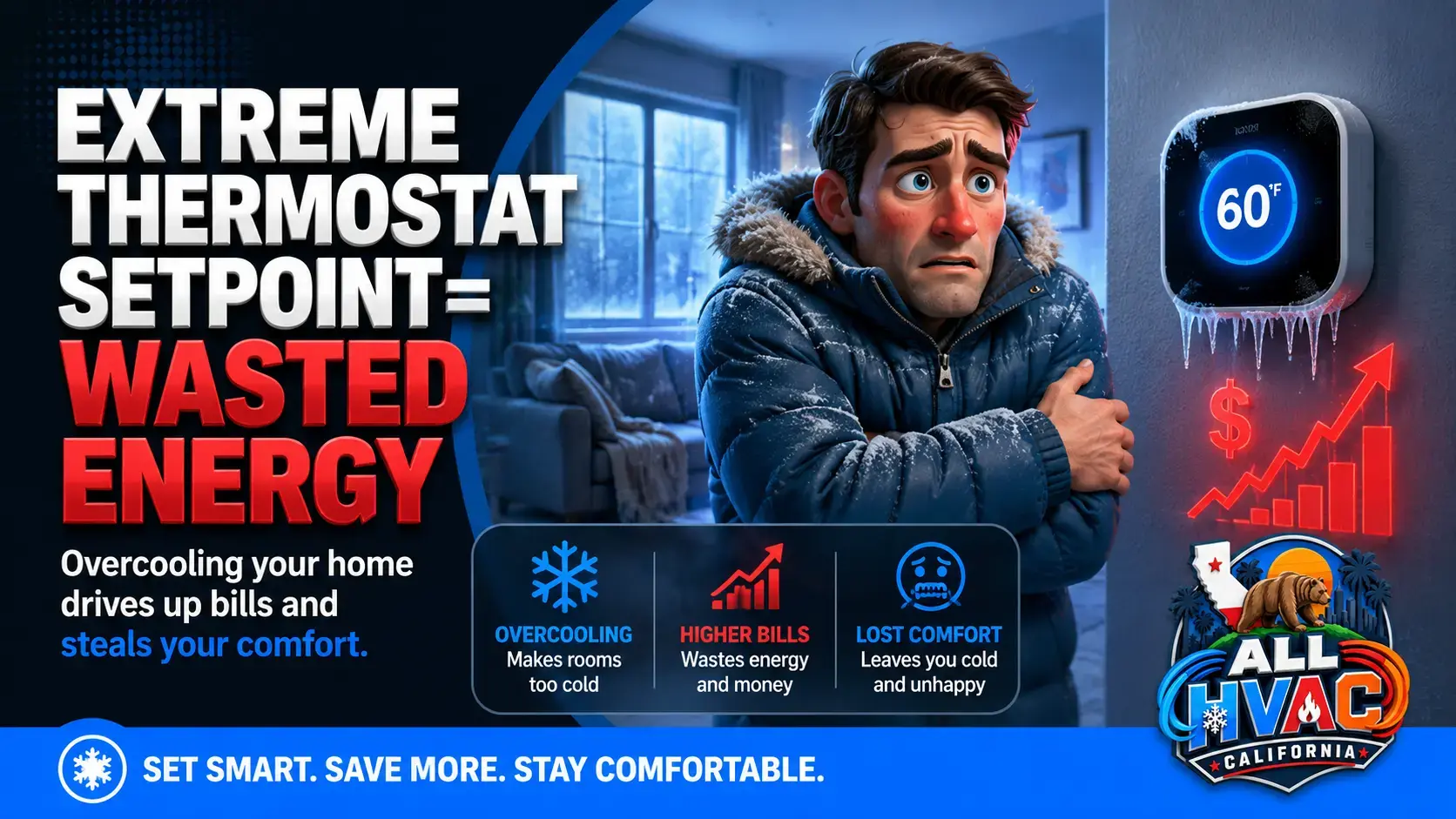
No. Setting a standard thermostat much lower does not make a typical AC cool faster.
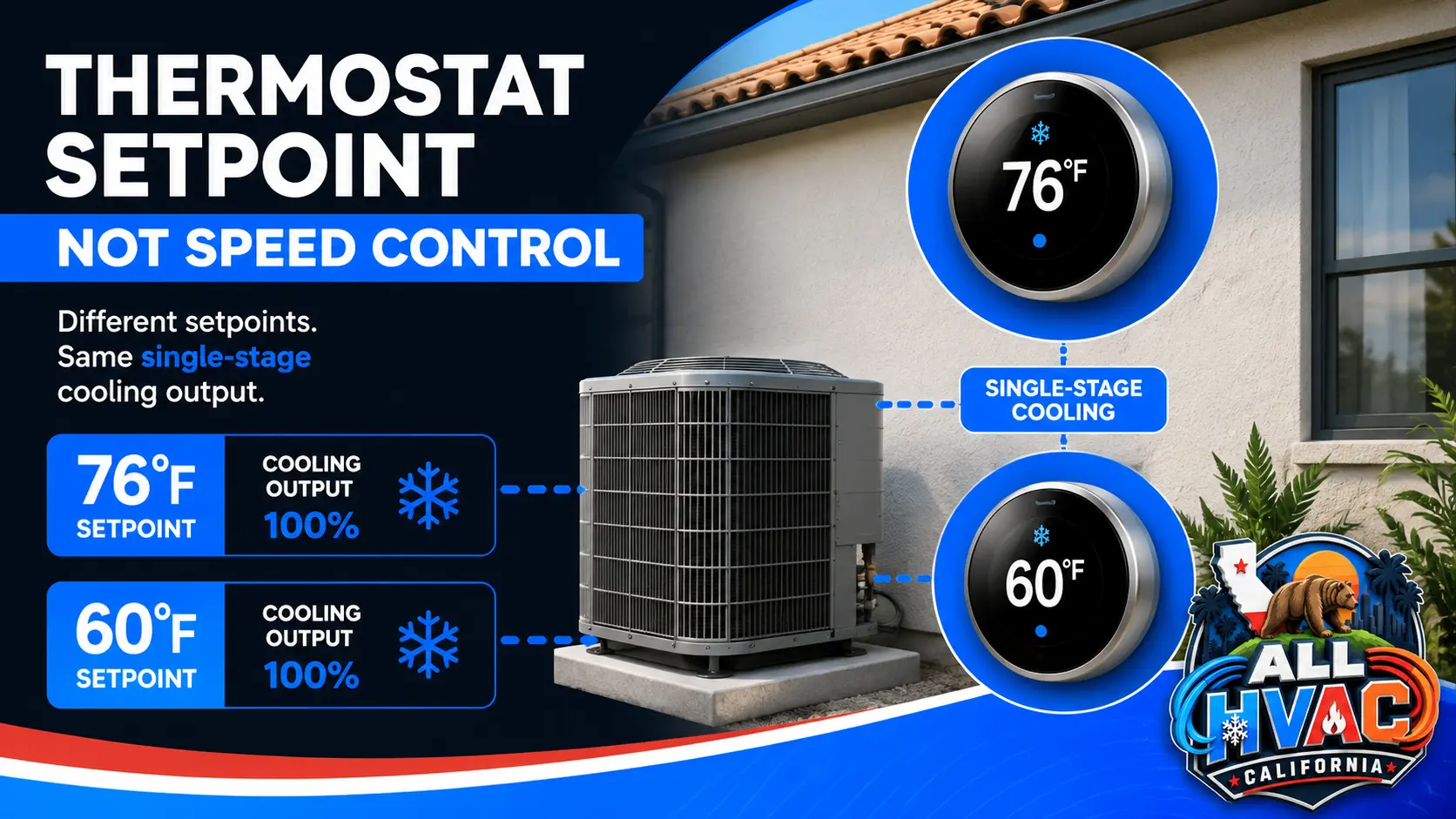
The thermostat is a temperature target and switch. Most single-stage systems cool at the same output until they reach the setpoint. California homes can face very different cooling loads between coastal mornings and inland afternoons. That is why the practical answer matters more than a catchy rule.
At All HVAC California, we focus on clear choices, measured results, and no-surprise recommendations. This guide shows what homeowners should check before changing settings or equipment.
Why a lower thermostat setting does not add cooling speed
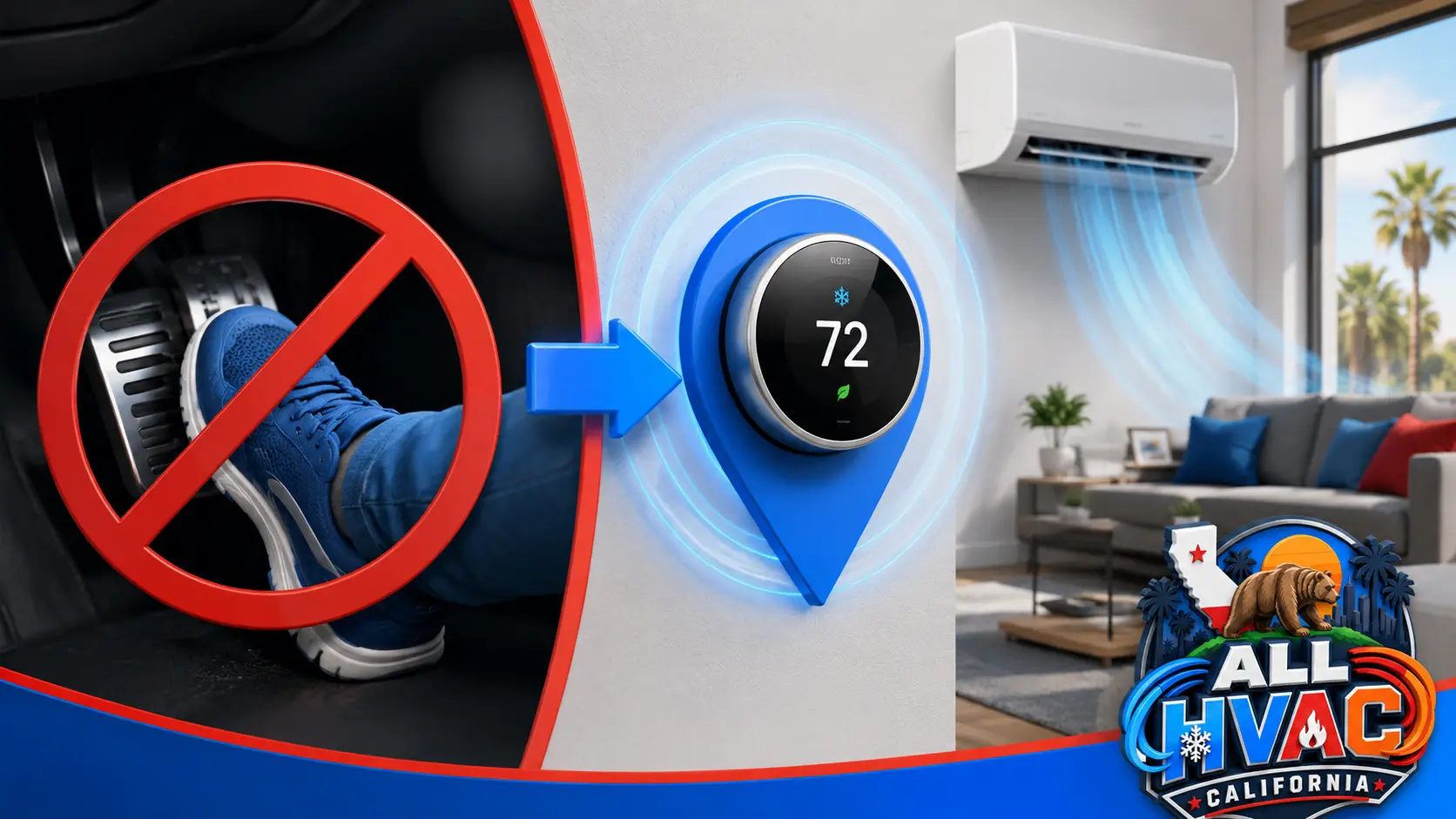
A lower number usually makes the system run longer, not blow colder or move more air. In plain English, the setpoint is a destination, not an accelerator pedal. The ball is in your court, but the system still follows basic airflow and heat-transfer rules.
A thermostat controls when equipment runs. It cannot correct poor sizing, blocked airflow, weak insulation, or a failing part. Our simple HVAC system guide explains how those parts work together.
What actually controls cooling speed
Compressor capacity sets heat removal
A single-stage compressor operates at its designed capacity when on. That detail changes comfort, energy use, or equipment stress. In California, one small setting can feel very different during a mild coastal day and a triple-digit inland afternoon.
The thermostat cannot command capacity the equipment does not have. As the saying goes, measure twice and cut once. A quick check now can prevent a much larger repair later.
Airflow carries cooling through the home
A clean filter, correct blower speed, open vents, and sound ducts support heat transfer. That detail changes comfort, energy use, or equipment stress. In California, one small setting can feel very different during a mild coastal day and a triple-digit inland afternoon.
Low airflow can cause ice and poor comfort. As the saying goes, measure twice and cut once. A quick check now can prevent a much larger repair later.
Outdoor temperature changes capacity
Air conditioners reject indoor heat outdoors. That detail changes comfort, energy use, or equipment stress. In California, one small setting can feel very different during a mild coastal day and a triple-digit inland afternoon.
Performance becomes harder during very hot California afternoons. As the saying goes, measure twice and cut once. A quick check now can prevent a much larger repair later.
The home stores heat
Walls, furniture, attic materials, and floors absorb heat throughout the day. That detail changes comfort, energy use, or equipment stress. In California, one small setting can feel very different during a mild coastal day and a triple-digit inland afternoon.
Cooling that mass takes time after a large setback. As the saying goes, measure twice and cut once. A quick check now can prevent a much larger repair later.
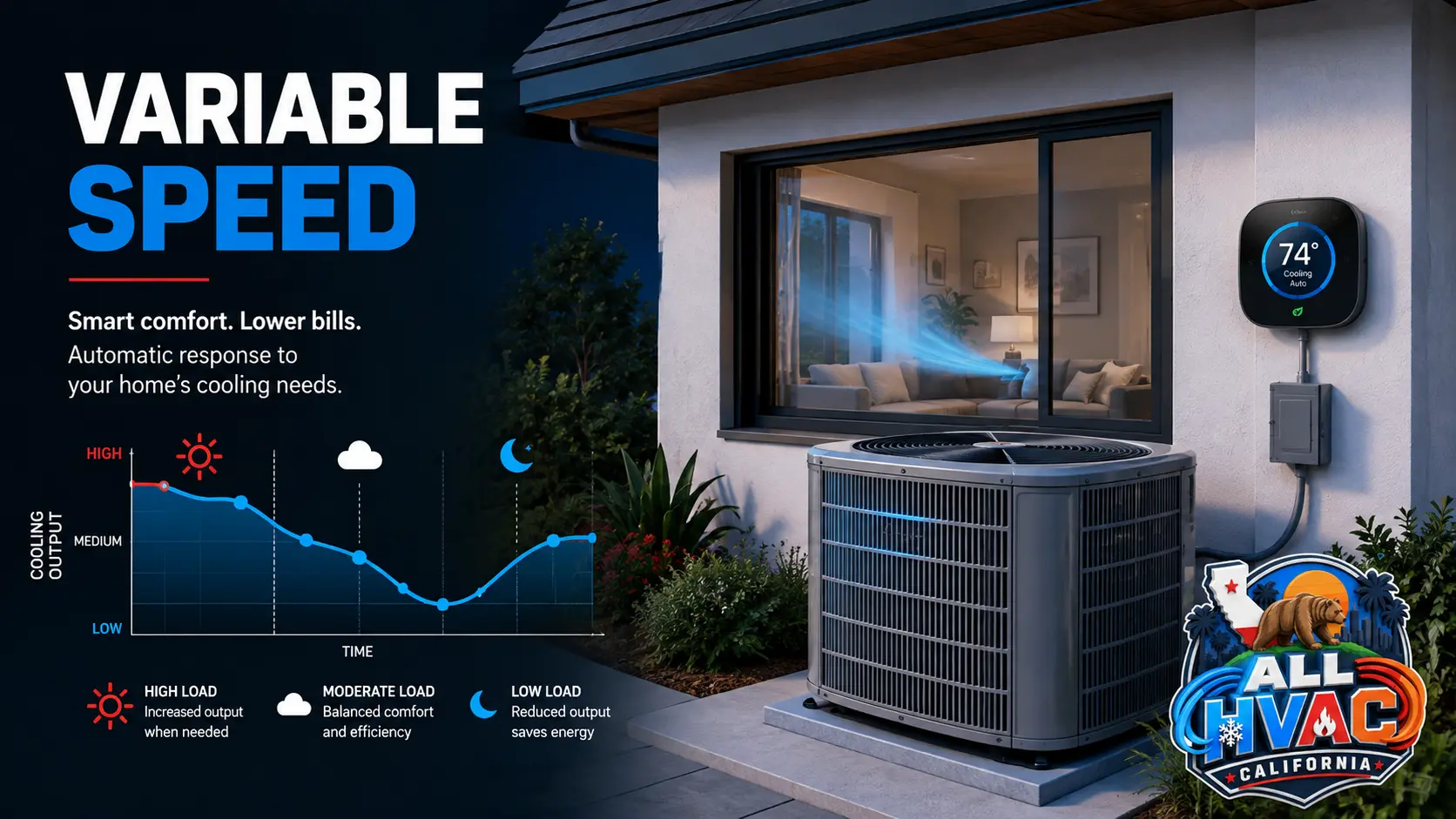
Variable-speed systems modulate
Advanced systems may ramp based on temperature difference and control logic. That detail changes comfort, energy use, or equipment stress. In California, one small setting can feel very different during a mild coastal day and a triple-digit inland afternoon.
They still work within equipment and duct limits. As the saying goes, measure twice and cut once. A quick check now can prevent a much larger repair later.
Thermostat location affects the signal
Sun, kitchens, drafts, and supply air can mislead the sensor. That detail changes comfort, energy use, or equipment stress. In California, one small setting can feel very different during a mild coastal day and a triple-digit inland afternoon.
A poor location may end cycles too early or too late. As the saying goes, measure twice and cut once. A quick check now can prevent a much larger repair later.
How to cool the house as quickly and safely as possible
Use the normal target and remove barriers that slow heat transfer. A steady plan beats random changes. Use these steps in order, then watch the system through one full cooling cycle.
- Set the real comfort target: Choose the temperature you actually want. Avoid dropping it far below that number.
- Close doors and windows: Keep hot outdoor air from replacing cooled air. Use shades on sunny windows.
- Check the filter: Replace a visibly dirty filter with the approved type. Restore airflow before changing settings again.
- Keep vents open: Do not block supplies or returns with furniture. Balanced airflow helps every room.
- Reduce indoor heat: Delay ovens, dryers, and heat-producing tasks. Turn off unnecessary lights.
- Call when cooling falls behind: Measure room temperature and supply-air conditions. Professional testing can find capacity or airflow faults.
Keep filters, coils, drains, and outdoor clearances on schedule. This HVAC maintenance checklist gives homeowners a safe monthly and seasonal routine.
California climate and home-design factors
Inland heat waves can push equipment near design limits. A properly sized AC may run long cycles during peak conditions without reaching the setpoint instantly. California is a big state, so one-size-fits-all advice misses the mark. Coastal humidity, desert heat, wildfire smoke, attic temperatures, and time-of-use electricity rates can all change the best choice.
Equipment type also matters. Single-stage, two-stage, variable-speed, heat-pump, and ductless systems respond differently. Compare the main types of HVAC systems before assuming another home’s setup will work in yours.
When the problem needs a professional check
Call when the temperature keeps rising while the system runs, air is weak, the coil freezes, or the breaker trips. Do not keep changing settings when the system shows a mechanical or airflow problem. That is like pressing the gas pedal when a tire is flat.
Watch for weak airflow, ice, water leaks, hot electrical smells, repeated breaker trips, loud starts, or cooling cycles under five minutes. These signs deserve diagnosis before the compressor or blower suffers more damage.
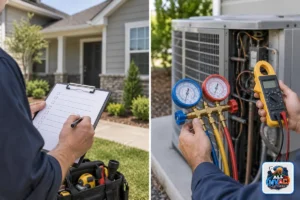
A technician should measure temperature split, static pressure, refrigerant performance, electrical readings, duct condition, and equipment sizing. If those checks point to a fault, our AC cooling diagnosis and repair team can explain the options and provide a free estimate.
How to test this advice in your own home
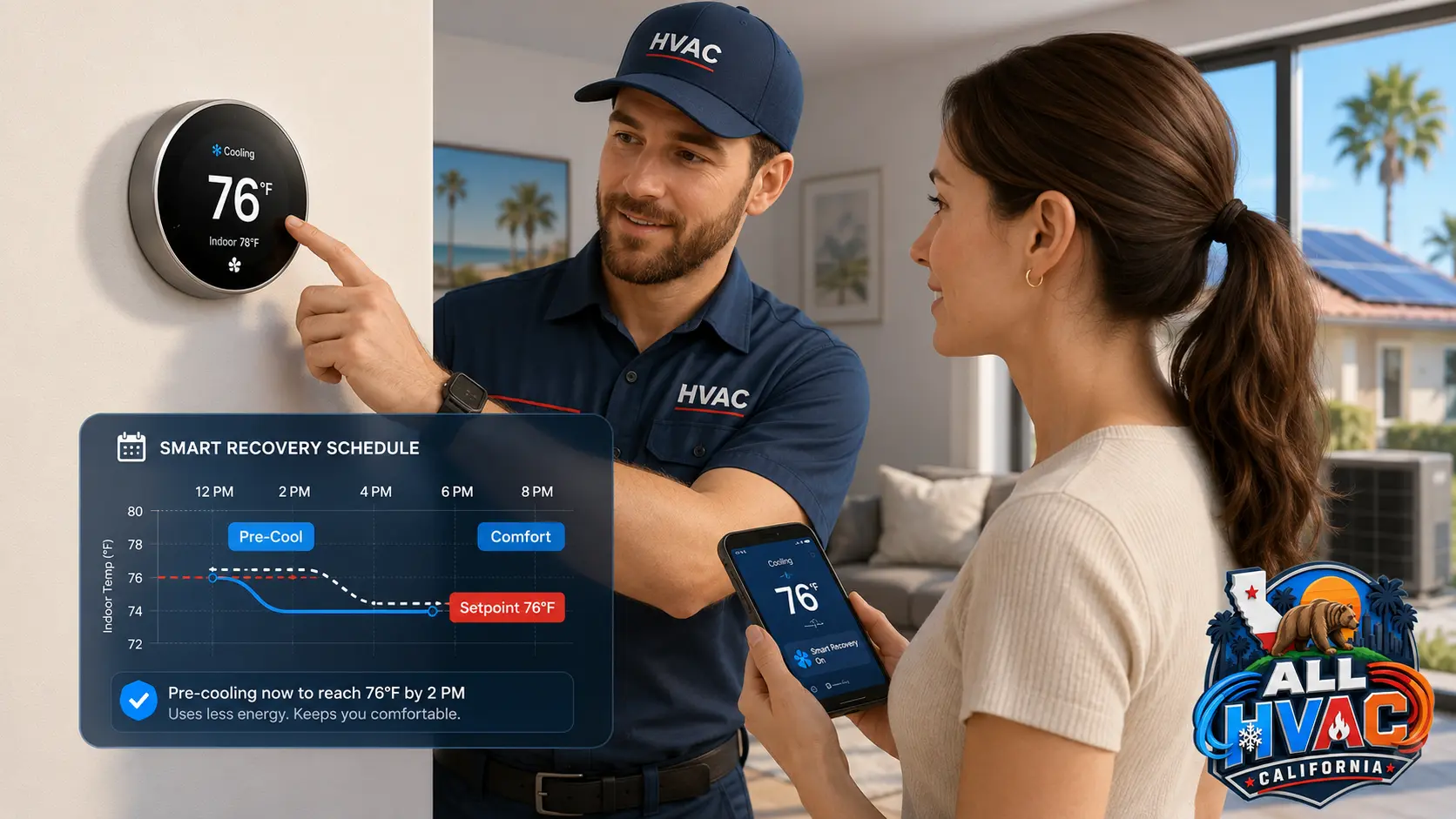
Start with a seven-day baseline before making a costly decision. Write down outdoor weather, thermostat settings, indoor temperature, humidity, cycle length, and the rooms that feel different. The proof is in the pudding. A short log separates a repeatable pattern from one unusually hot afternoon.
Record one change at a time
Change only one setting, vent position, shade, or schedule for at least one comparable cooling period. If five things change together, you will not know which one helped. Keep safety limits in place and return to the prior setting if comfort or equipment behavior gets worse.
Compare similar weather
A mild Tuesday cannot fairly prove that a new setting beats last week’s 105-degree Saturday. Use weather readings from the same area and compare similar occupancy. Note cooking, laundry, open doors, gatherings, and other heat sources that change the load.
Watch full cooling cycles
Record when the system starts, stops, and reaches the target. Long steady cycles may be normal during peak heat. Rapid starts, ice, electrical odors, or rising room temperature are different. Stop the test and request service when a safety symptom appears.
Check more than the thermostat
Measure conditions in a central room, a distant room, and the most uncomfortable room. A single hallway thermostat cannot describe every corner of a two-story or sun-exposed home. Temperature and humidity together tell a more useful story.
Review energy use carefully
Compare utility data across similar weather and schedules. A small daily difference may come from rates, appliances, or occupancy. Look for a consistent pattern across several days before calling a setting an energy saver.
Common mistakes that make the problem worse
Homeowners often react quickly because comfort feels urgent. Still, haste makes waste. Avoid these common moves while testing does setting thermostat lower cool house faster.
- Changing settings every few minutes. The system needs time to respond and complete a normal cycle.
- Ignoring airflow. Dirty filters, blocked returns, closed vents, and damaged ducts can overpower thermostat adjustments.
- Using another home as the rule. Equipment, climate, insulation, windows, and occupancy change the result.
- Assuming bigger or colder is better. Comfort depends on correct capacity, moisture control, airflow, and steady operation.
- Waiting through warning signs. Ice, water, electrical odors, breaker trips, and grinding sounds need professional attention.
What a careful HVAC diagnostic should include
A useful visit starts with questions about the exact symptom, when it began, and what changed. The technician should inspect the filter, thermostat, indoor unit, outdoor unit, supply registers, return paths, and accessible ducts. Every home tells a story, and measurements reveal it.
Depending on the complaint, testing may include supply and return temperatures, static pressure, blower performance, electrical readings, drain condition, refrigerant-side performance, and thermostat accuracy. Sizing questions may also require a room-by-room load calculation rather than a square-foot shortcut.
Ask the technician to explain which readings are normal, which are not, and how each recommendation addresses the symptom. A trustworthy quote separates required work from optional improvements. It also states equipment, labor, warranties, permits, and likely next steps before work begins.
Before you book service
Gather the model numbers from the thermostat, indoor equipment, and outdoor unit when they are safely visible. Do not remove electrical panels. Take photos of the thermostat reading, filter size, ice, water, or error messages. Note the time, outdoor temperature, and whether the blower and outdoor fan were running.
Write down recent changes such as a new filter, remodeling, added rooms, new windows, duct work, a power outage, or a thermostat replacement. Small details can shorten diagnosis. They also help the technician bring suitable testing tools and likely parts.
Ask for the diagnostic fee, arrival window, repair authorization process, and estimate format before the visit. California homeowners should also ask whether permits apply to replacement work. Clear expectations keep everyone on the same page and reduce surprises after testing begins.
Finally, avoid cleaning coils with harsh chemicals, adding refrigerant, opening electrical compartments, or bypassing safety controls. Those jobs need the right training and instruments. Safe observations are useful. Risky experiments are not.
Questions California homeowners ask
Does 60 degrees cool faster than 72?
Not on a typical single-stage system. It only extends runtime beyond 72. When in doubt, check the equipment manual and the actual conditions in your home. That keeps the answer useful, safe, and specific.
Does the AC air get colder with a lower setting?
Usually no. Supply temperature depends on system operation and indoor conditions. When in doubt, check the equipment manual and the actual conditions in your home. That keeps the answer useful, safe, and specific.
Why does my AC take hours to cool?
Heat gain, equipment condition, airflow, insulation, and setback size all matter. When in doubt, check the equipment manual and the actual conditions in your home. That keeps the answer useful, safe, and specific.
Can variable-speed AC cool faster?
It may ramp capacity under control logic, but extreme setpoints are not a speed control. When in doubt, check the equipment manual and the actual conditions in your home. That keeps the answer useful, safe, and specific.
Should I use Turbo mode?
Follow the equipment manual because features differ. When in doubt, check the equipment manual and the actual conditions in your home. That keeps the answer useful, safe, and specific.
What thermostat setting is best?
Use the highest setting that feels comfortable and supports health needs. When in doubt, check the equipment manual and the actual conditions in your home. That keeps the answer useful, safe, and specific.
Why is upstairs still hot?
Rising heat, solar gain, ducts, returns, and balancing may contribute. When in doubt, check the equipment manual and the actual conditions in your home. That keeps the answer useful, safe, and specific.
Can a dirty filter slow cooling?
Yes. Restricted airflow reduces heat transfer and can cause icing. When in doubt, check the equipment manual and the actual conditions in your home. That keeps the answer useful, safe, and specific.
Do closed vents help another room cool faster?
They can raise duct pressure and create new problems. When in doubt, check the equipment manual and the actual conditions in your home. That keeps the answer useful, safe, and specific.
Should the fan be On while cooling?
Auto is the usual everyday choice for central systems. When in doubt, check the equipment manual and the actual conditions in your home. That keeps the answer useful, safe, and specific.
How many degrees per hour should AC cool?
There is no universal number because loads and homes vary. When in doubt, check the equipment manual and the actual conditions in your home. That keeps the answer useful, safe, and specific.
Does shade help recovery?
Yes. Blinds, exterior shade, and reduced solar gain lower the cooling load. When in doubt, check the equipment manual and the actual conditions in your home. That keeps the answer useful, safe, and specific.
Why does AC run constantly in extreme heat?
Long operation may be normal near design conditions if comfort stays stable. When in doubt, check the equipment manual and the actual conditions in your home. That keeps the answer useful, safe, and specific.
Can low refrigerant slow cooling?
Yes, but refrigerant diagnosis requires qualified service. When in doubt, check the equipment manual and the actual conditions in your home. That keeps the answer useful, safe, and specific.
When should I call a technician?
Call for rising temperatures, weak airflow, ice, water leaks, or electrical symptoms. When in doubt, check the equipment manual and the actual conditions in your home. That keeps the answer useful, safe, and specific.
Sources and further reading
For independent guidance, review U.S. Department of Energy thermostat guidance and ENERGY STAR smart thermostat information. These sources support the core safety, comfort, and efficiency principles used in this guide.
How to judge whether the change worked
Give the safe adjustment enough time to show a pattern. Better comfort should appear without new noise, ice, moisture, odors, pressure problems, or extreme runtime. Compare rooms, humidity, cycles, and energy use during similar weather. A win in one room should not create a problem elsewhere.
If the result is mixed, return to the stable baseline and share the notes with a technician. Good HVAC decisions come from measured trade-offs, not one dramatic afternoon. Slow and steady wins the race.
The bottom line
Use the desired temperature, not an extreme number. Faster comfort comes from healthy airflow, lower heat gain, correct equipment, and a reasonable recovery plan. There is no need to guess or chase every internet shortcut. Start with the simple checks, track what changes, and call for help when the measurements point beyond a homeowner fix.
Comfort should feel steady, bills should make sense, and the final recommendation should have no surprises. That is the standard worth holding onto.